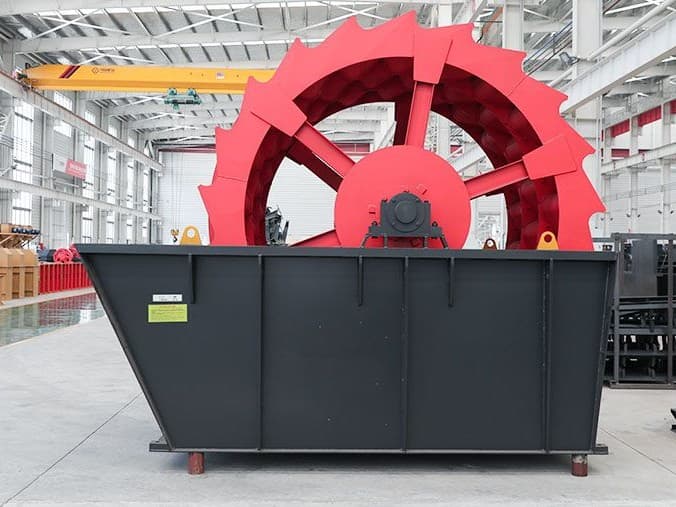
How Does a Spiral Sand Washer Work?
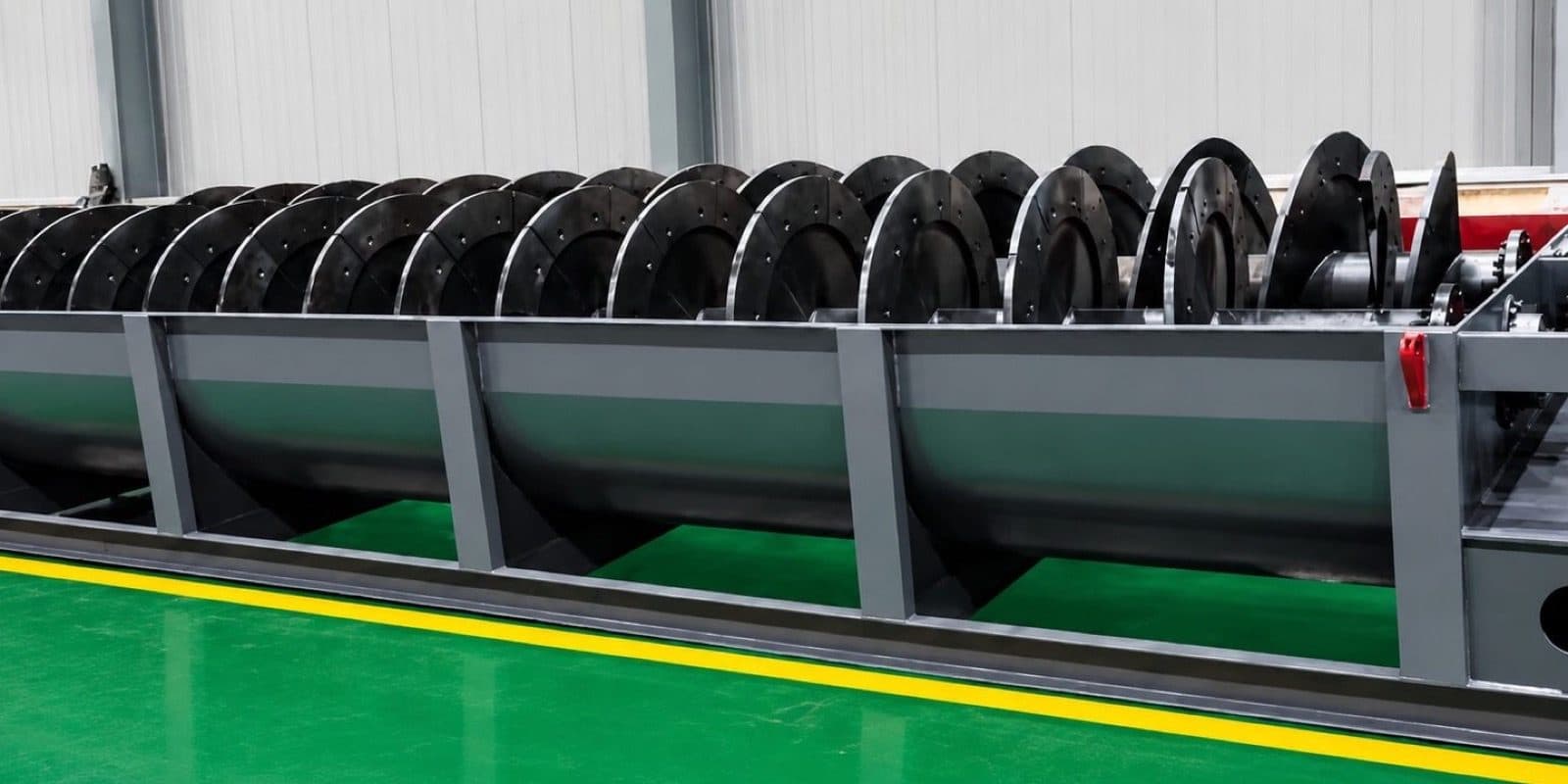
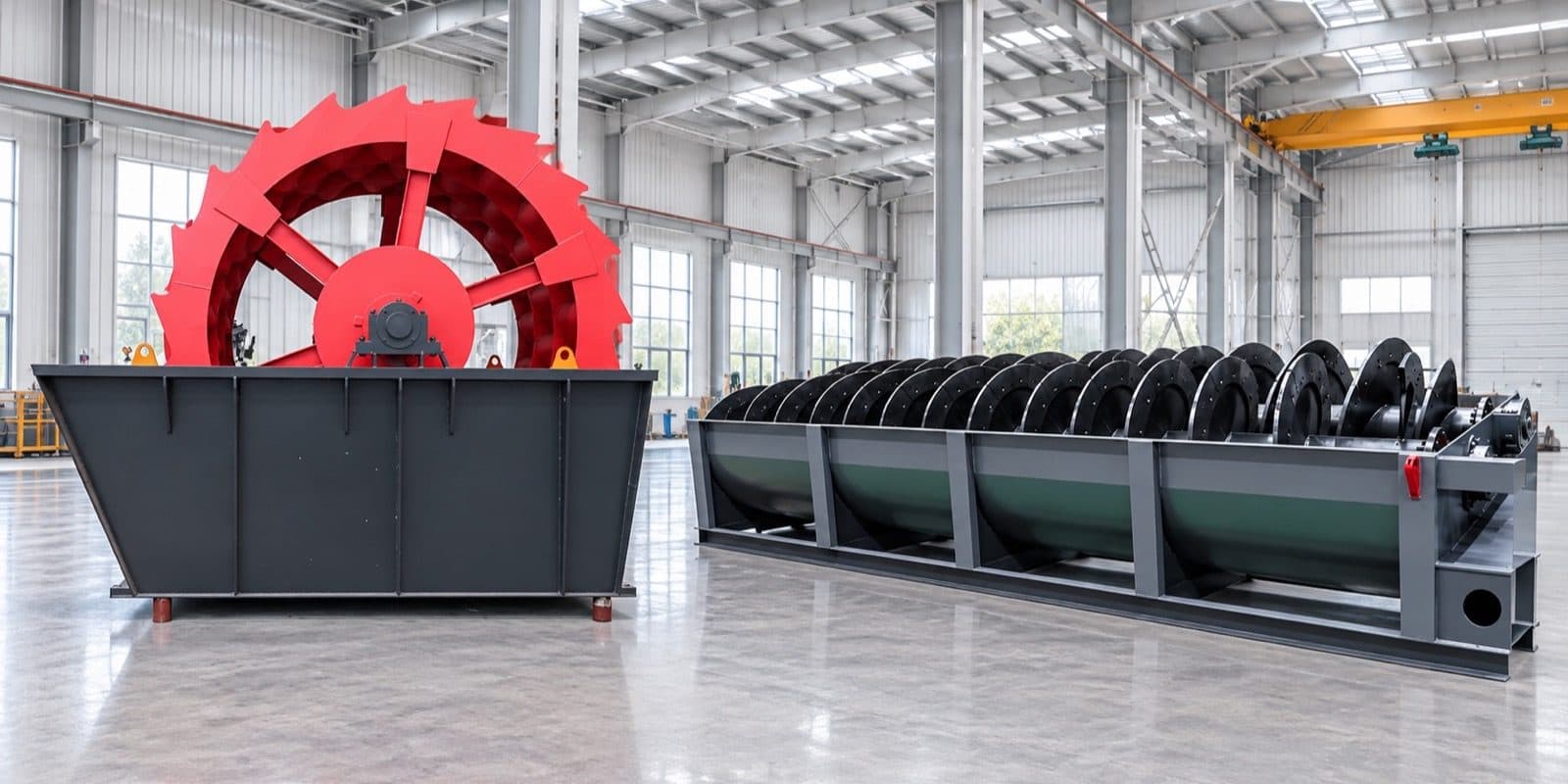
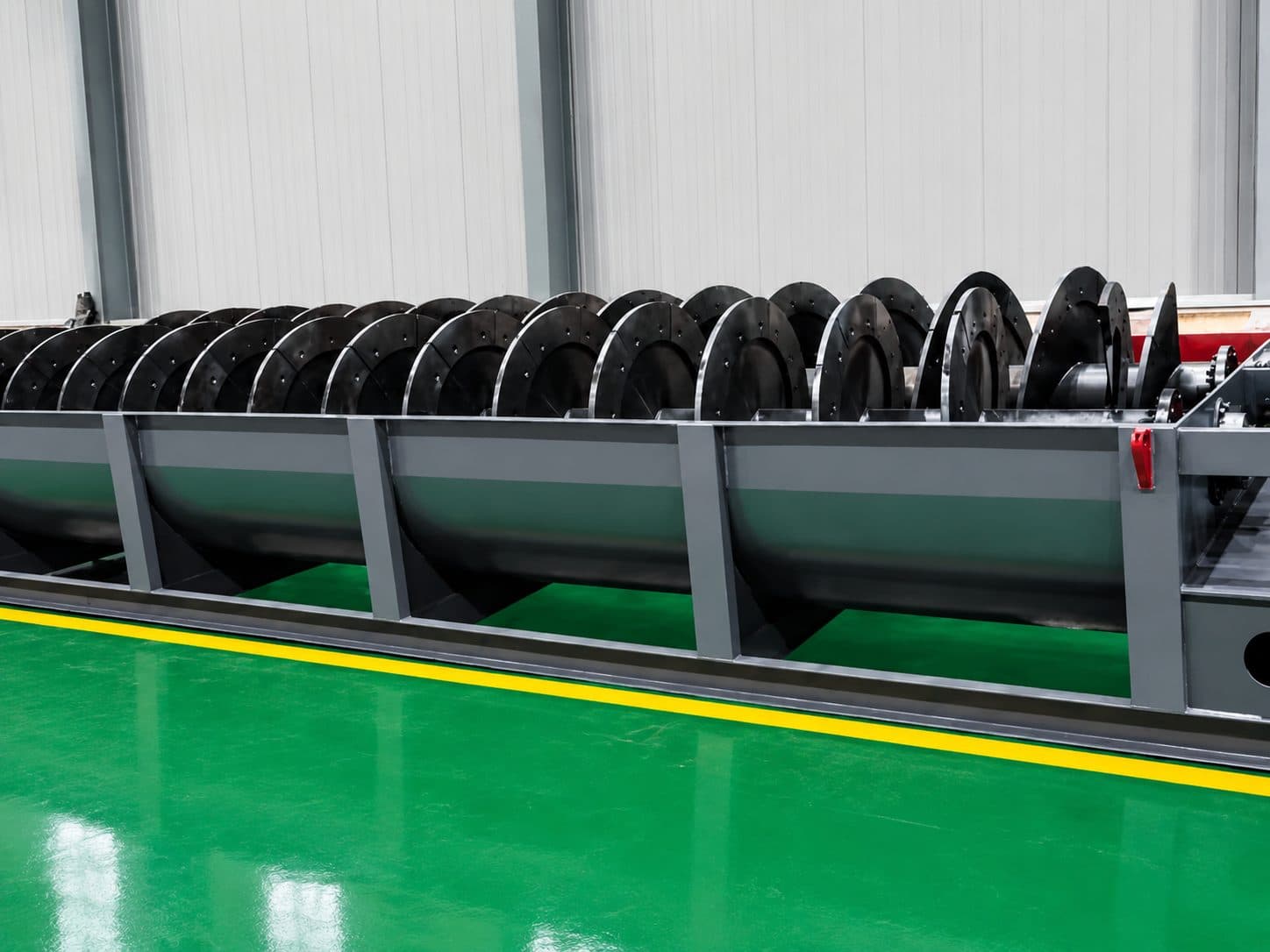
A spiral sand washer agitates natural or manufactured sand in water, loosens clay, dust and stone powder from the grain surfaces, and carries the cleaned, heavier fraction upward along an inclined tank. Lighter contaminants and some ultrafines leave with the overflow water.
The machine resembles a spiral classifier, but the duties are not identical. A mineral classifier normally separates fine ore slurry in closed circuit with a ball mill. The Tanker XL spiral sand washer is intended primarily to wash, partially classify and discharge construction sand and fine aggregate.
Quick answer: how does the process work?
Sand and process water enter the lower part of the tank. The slowly rotating spiral agitates the grains and increases particle-to-particle rubbing. Heavier sand settles and is pushed upward by the spiral; after it rises above the water level, some free water drains back. Clay, dust and light fine particles remain suspended and leave with the overflow.
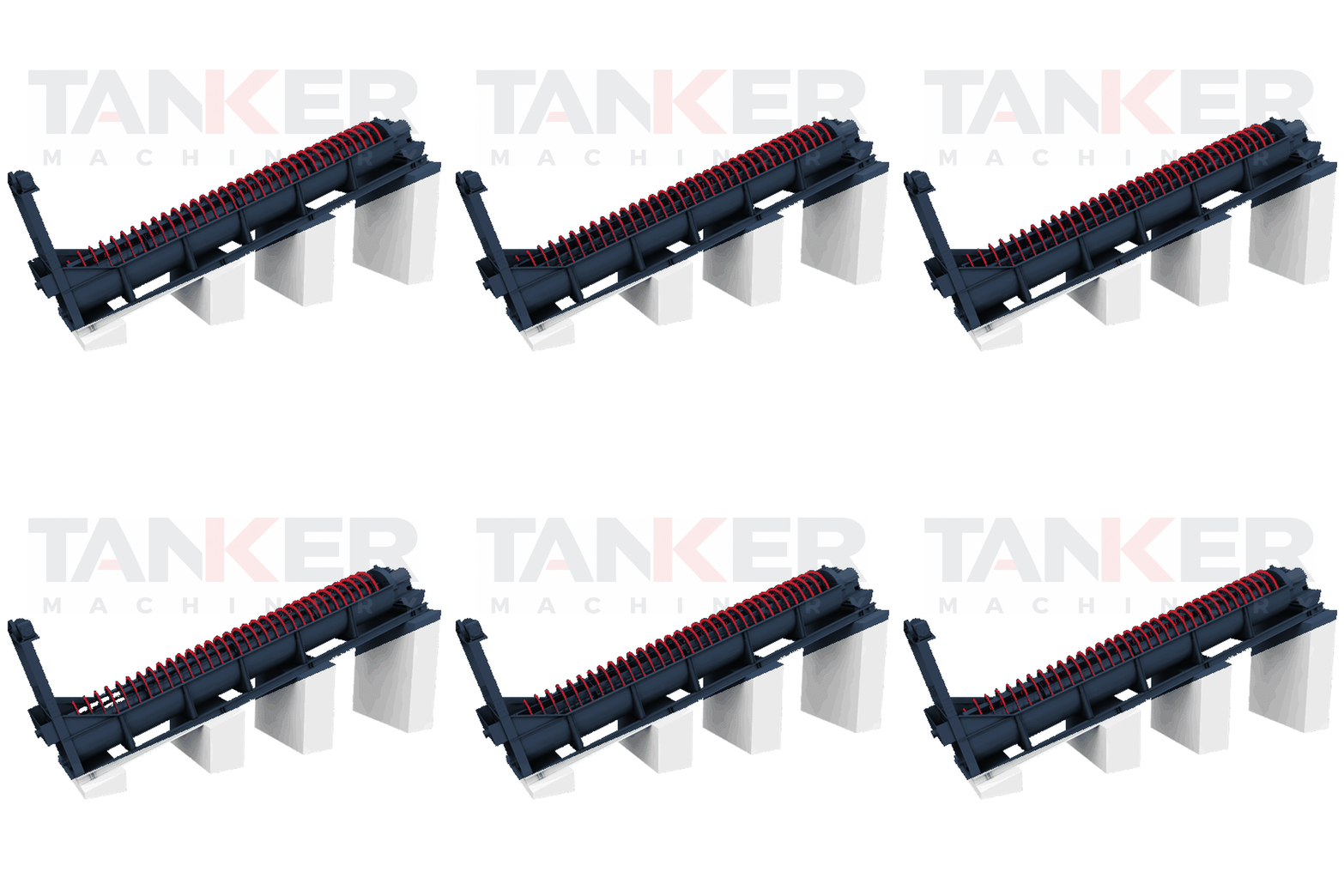
The animation shows the spiral agitating and lifting the sand while separating it from the overflow water.
Main components of a spiral sand washer
Inclined washing tank. Creates a controlled working zone for the water and feed.
Spiral shaft and flights. Agitate the settled sand, create rubbing action and move it toward the discharge.
Motor and gearbox. Deliver high torque to the spiral at a low rotational speed.
Supports and bearings. Keep the long shaft aligned and rotating steadily.
Overflow weir and water outlet. Control the pool level and removal of suspended fines.
Product discharge section. Transfers the lifted sand to a conveyor or dewatering screen.
The six-stage washing process
1. Controlled feeding
Pre-screened sand enters the lower working zone together with water. If the feed surges, the pool level, washing action and loss of useful sand can all fluctuate.
2. Wetting and agitation
The flights move the material slowly through the water. Rubbing between grains helps release surface clay and dust.
3. Settling and partial classification
Coarser, denser sand settles toward the bottom. Lighter contaminants and very fine particles remain suspended for longer. This is not precision mineral-slurry classification, but useful partial separation occurs during washing.
4. Upward conveying
The settled sand is pushed up the inclined tank. A single spiral suits moderate flows, while a twin-spiral arrangement is selected when more conveying capacity is required.
5. Preliminary drainage
After the sand rises above the water level, part of the free water drains back into the tank. This is not final dewatering; a dewatering screen is still needed when low product moisture is required.
6. Separate sand and overflow discharge
Washed sand leaves at the upper end. The dirty overflow is routed to a settling pond, hydrocyclone, fine-sand recovery system or another stage of the water-recycling circuit.
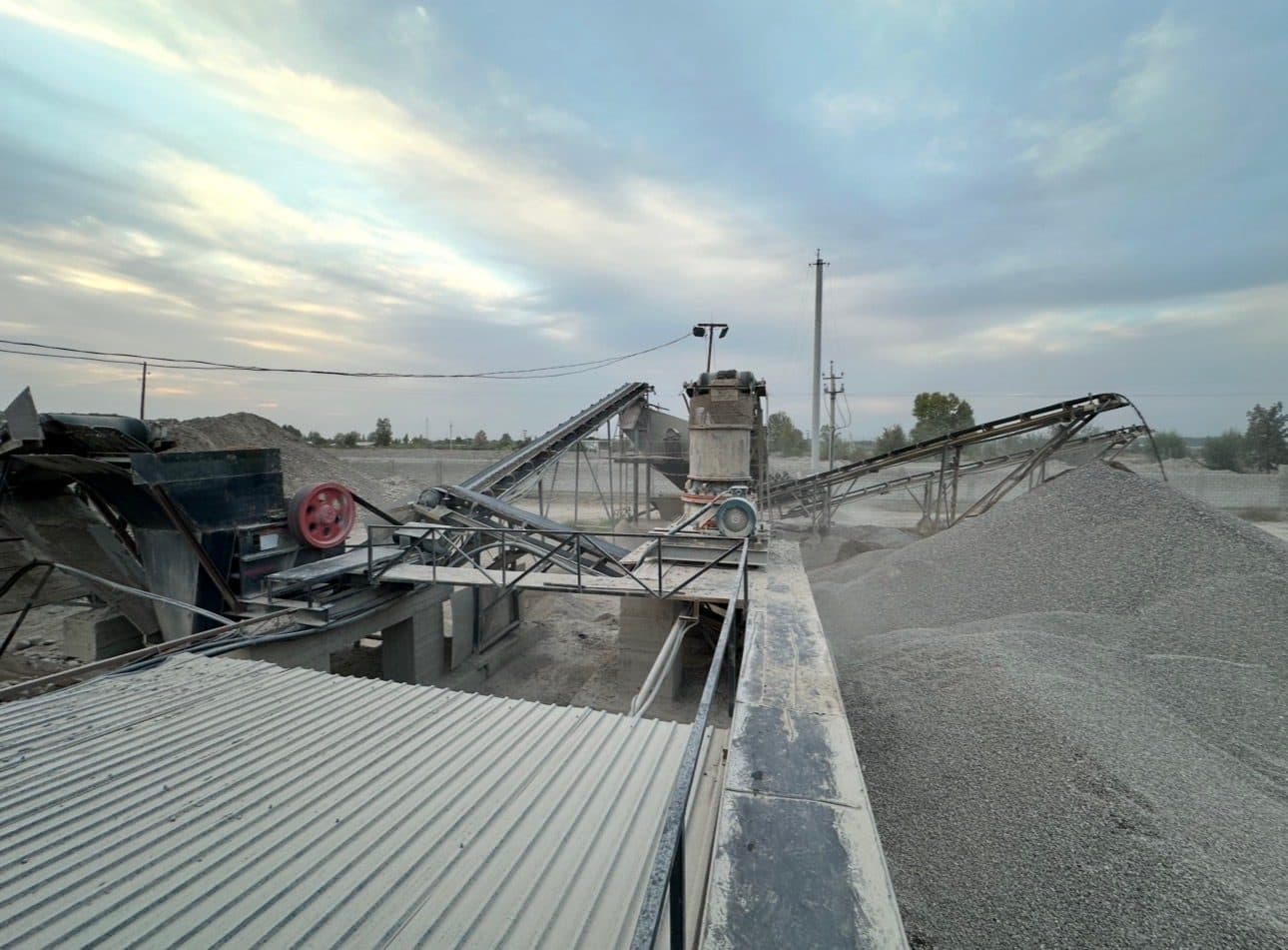
Washer performance should be evaluated together with the upstream screen, water circuit and downstream dewatering stage.
What has the greatest effect on washing performance?
Feed grading: the maximum feed size for the listed XL catalogue models is 10 mm.
Type of clay: loose dust and silt are easier to remove; sticky plastic clay may require a log washer or attrition scrubber.
Water flow and pool level: too little water weakens cleaning, while excessive turbulence can carry useful fine sand into the overflow.
Spiral speed: affects conveying capacity and agitation; the correct value is model- and material-specific.
Feed stability: large flow swings disturb the settling zone and change product quality.
XL spiral sand washer model data
Model | Spiral diameter × length | Max. feed | Capacity | Motor | Weight |
|---|---|---|---|---|---|
XL915 | Ø915 × 7585 mm | 10 mm | 60–100 t/h | 11 kW | 6.3 t |
2XL915 | Ø915 × 7585 mm | 10 mm | 120–200 t/h | 2 × 11 kW | 11.2 t |
XL1115 | Ø1115 × 9785 mm | 10 mm | 100–175 t/h | 18.5 kW | 10.8 t |
2XL1115 | Ø1115 × 9785 mm | 10 mm | 200–350 t/h | 2 × 18.5 kW | 18 t |
These are nominal catalogue ratings. Actual output depends on feed grading, clay content, water conditions and the required cleanliness.
What does Tanker need to select a model?
“We need to wash 100 t/h of sand” is not enough. Provide Tanker with a representative sample or grading analysis, the proportion above 10 mm, clay and silt content, required throughput, finished-sand specification, available water and the proposed recycling arrangement. These inputs allow the spiral configuration, water circuit, dewatering and fine-sand recovery equipment to be selected as one system.
Need help selecting an XL model? Contact Tanker. Our engineers can review the complete washing circuit, not just the nameplate capacity of one machine.
Frequently asked questions
Are a spiral sand washer and a spiral classifier the same machine?
No. Their mechanical layouts can be similar, but a classifier normally separates fine ore slurry and works with a ball mill. A sand washer is primarily used to clean and discharge construction sand.
Will it remove all sticky clay?
Not always. Loose dust and silt wash away readily, but plastic clay bonded to the grains may require a log washer or attrition scrubber.
Does a twin spiral always provide exactly twice the capacity?
No. Twin spirals increase conveying capability, but final output still depends on the model, material, water and washing requirement. Catalogue ratings must be checked against project conditions.
Is the discharged sand dry?
No. The inclined discharge section removes part of the free water, but a dewatering screen or additional drainage stage is needed for low final moisture.
How can fine-sand losses be reduced?
Stabilize water flow, pool level and feeding. A hydrocyclone-based fine-sand recovery system can be added when valuable fines must be recovered from the overflow.
Conclusion
A spiral sand washer combines three actions: washing in water, partial separation by settling and upward conveying of the cleaned sand. The best result comes from material testing, a stable water circuit, the correct model and coordinated downstream dewatering—not from the machine name alone.