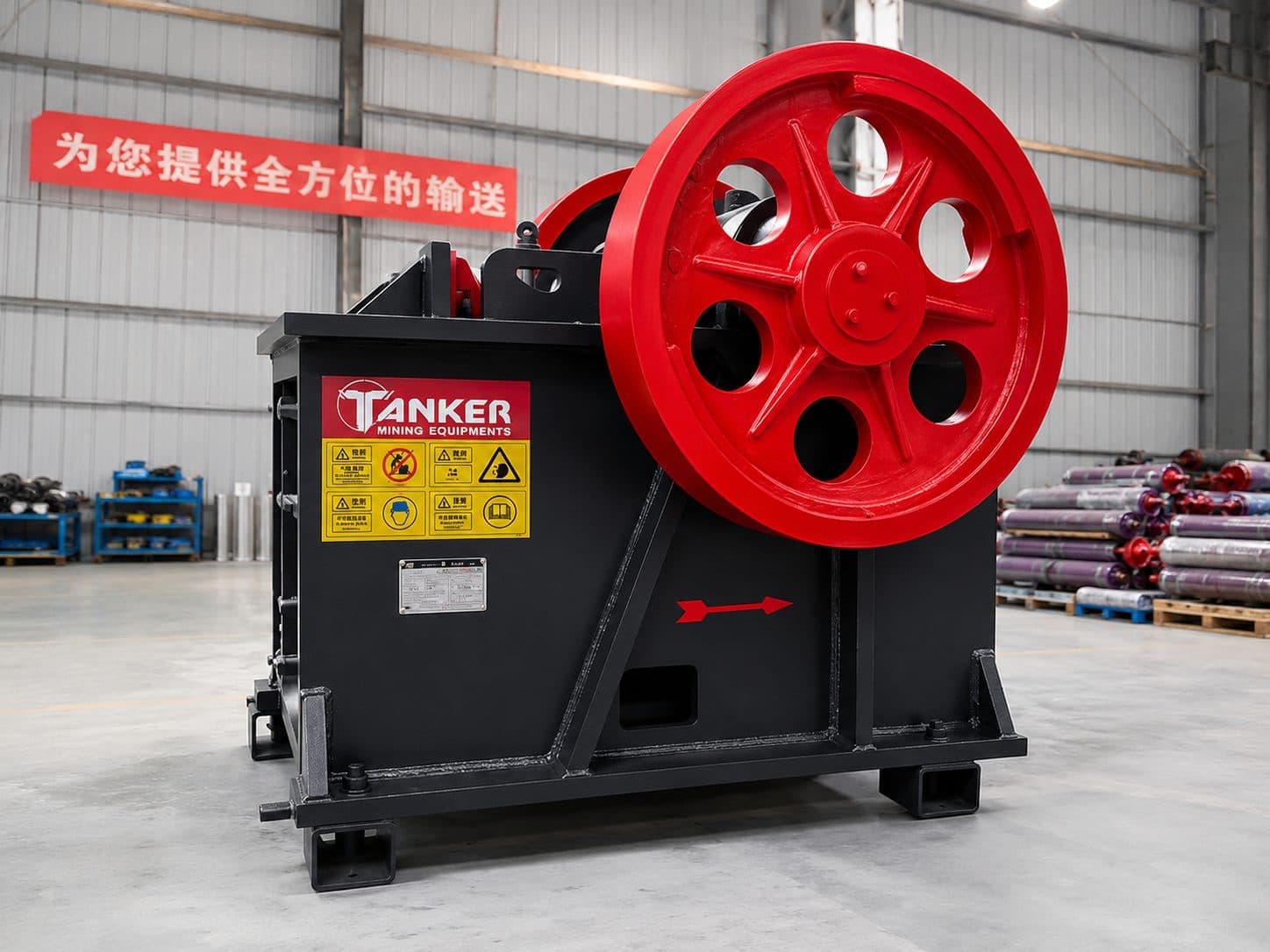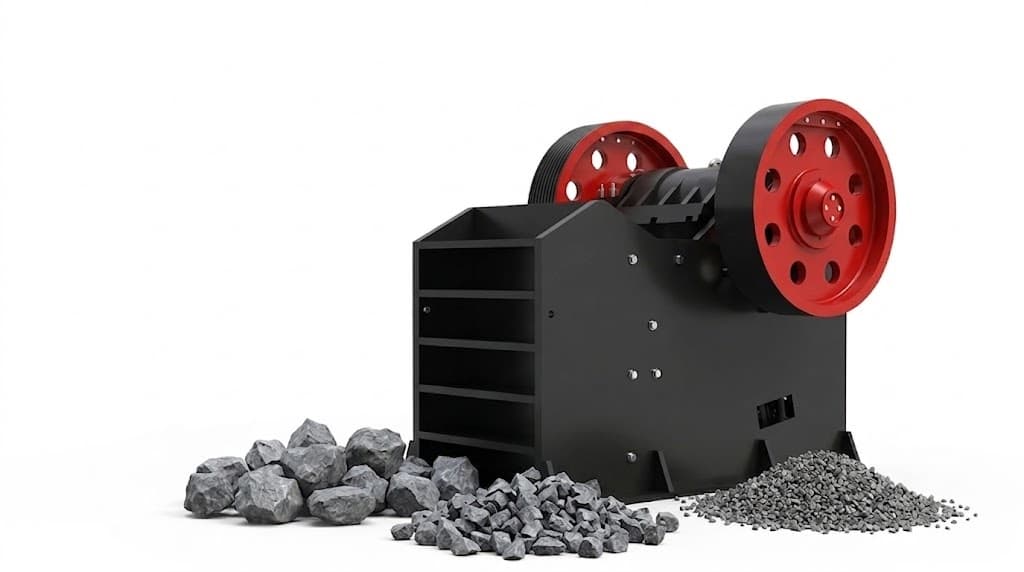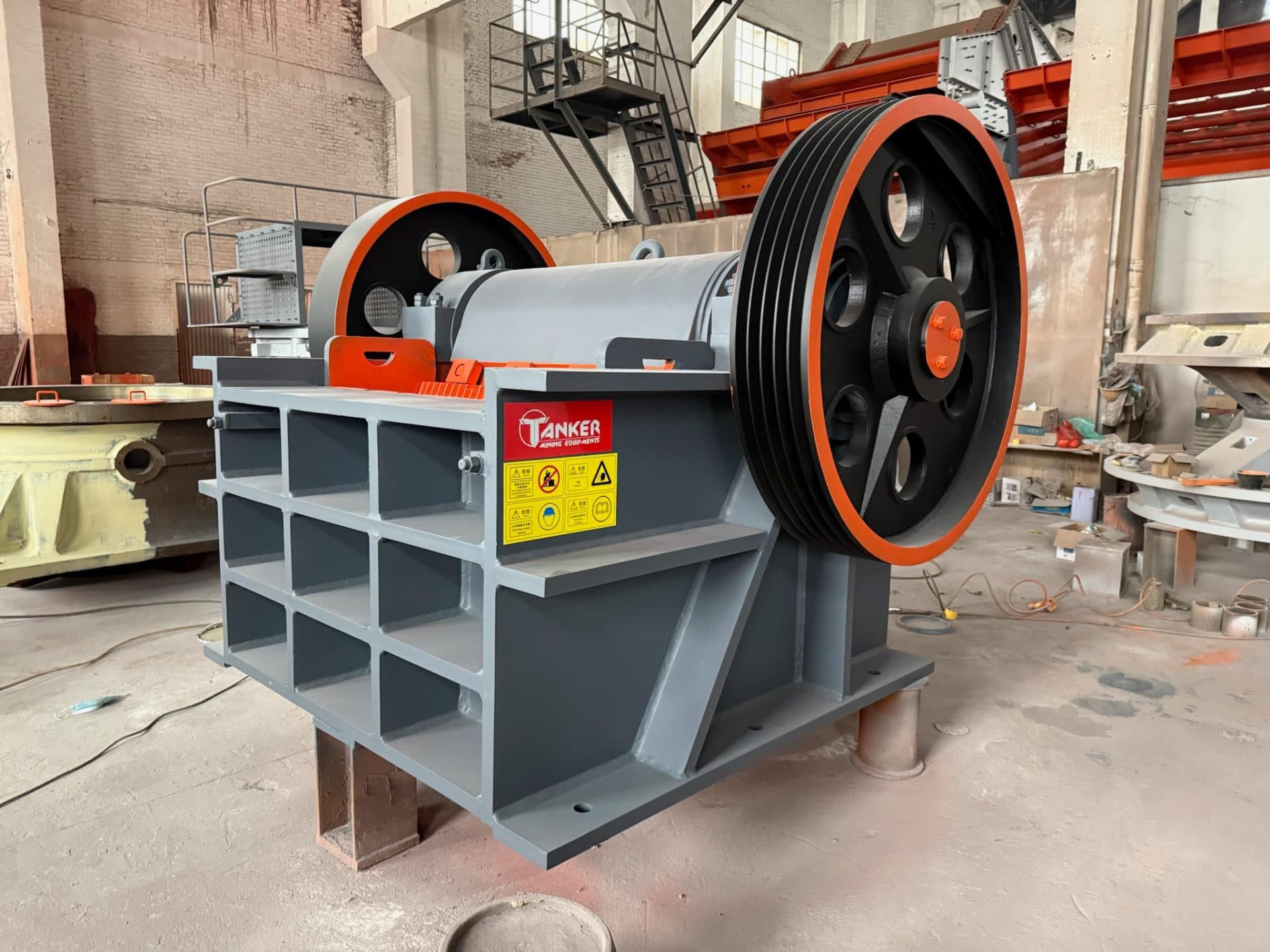
5 Types of Cone Crushers: Differences, Uses and Selection
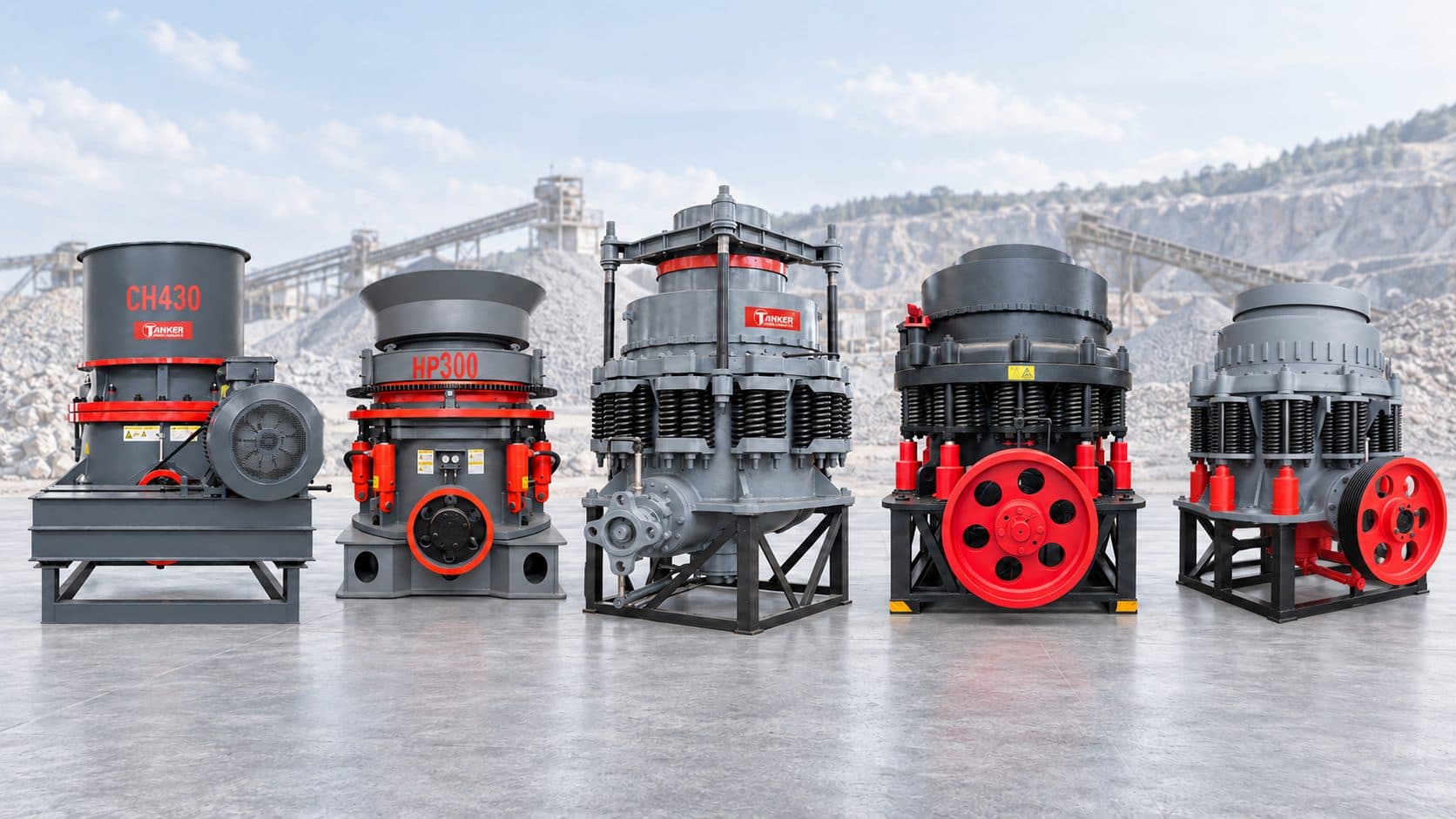
There is no single answer to “Which cone crusher is best?” The correct choice depends on feed hardness and abrasiveness, maximum lump size, required hourly output, finished fractions, automation needs and the maintenance capability available at the site.
This guide compares five cone crusher types offered by Tanker using the same practical criteria. The aim is not simply to list names, but to explain what each mechanism does well and where it belongs in a crushing circuit.
What do all cone crushers have in common?
Every cone crusher reduces material by compression between a moving mantle and a stationary concave. An eccentric assembly makes the head oscillate: rock is compressed as the chamber closes, then moves downward as it opens. The important differences are how the main shaft is supported, how the closed-side setting is adjusted, how overloads are released and how a stalled chamber is cleared.
1. Single-cylinder hydraulic cone crusher
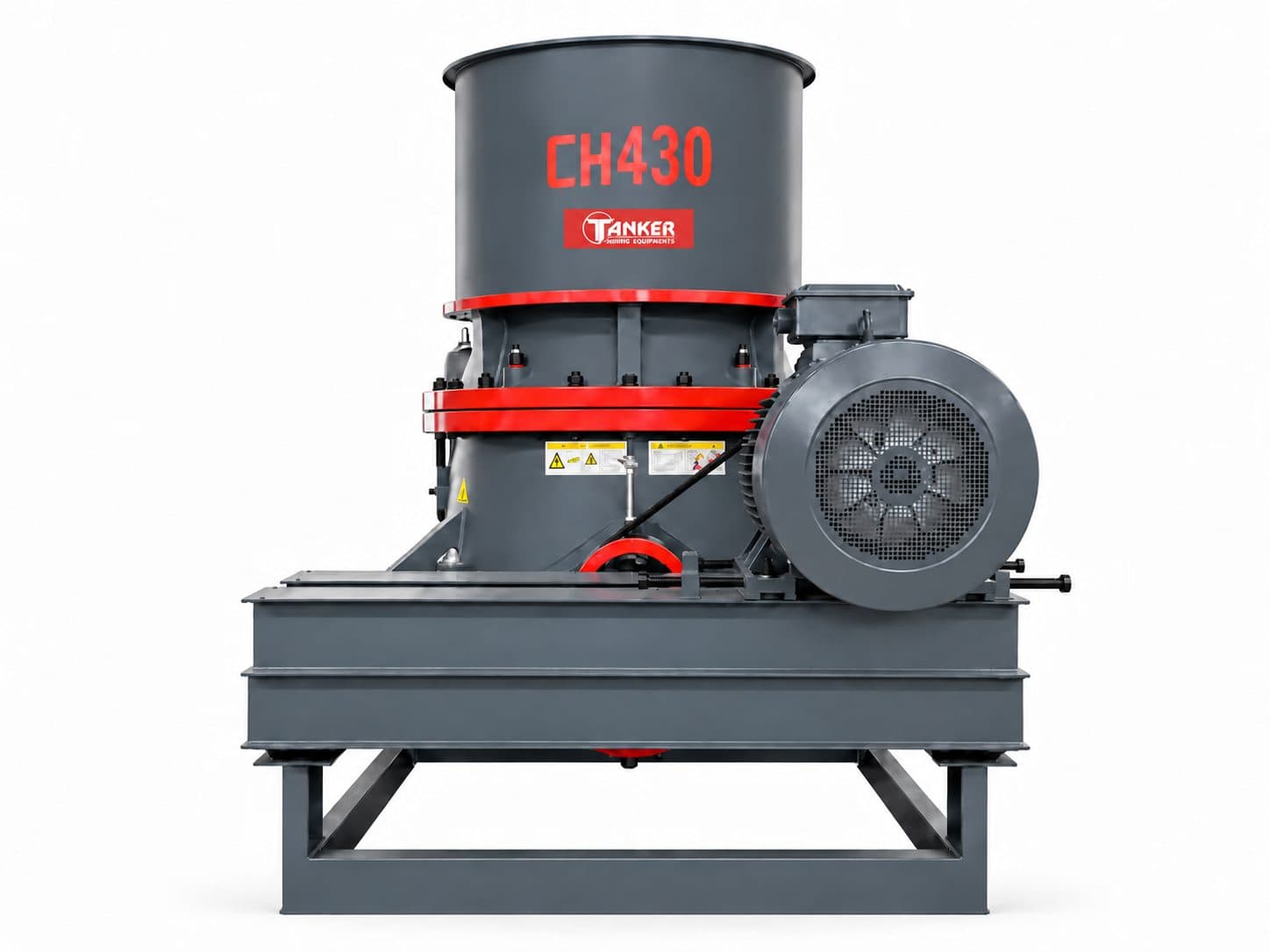
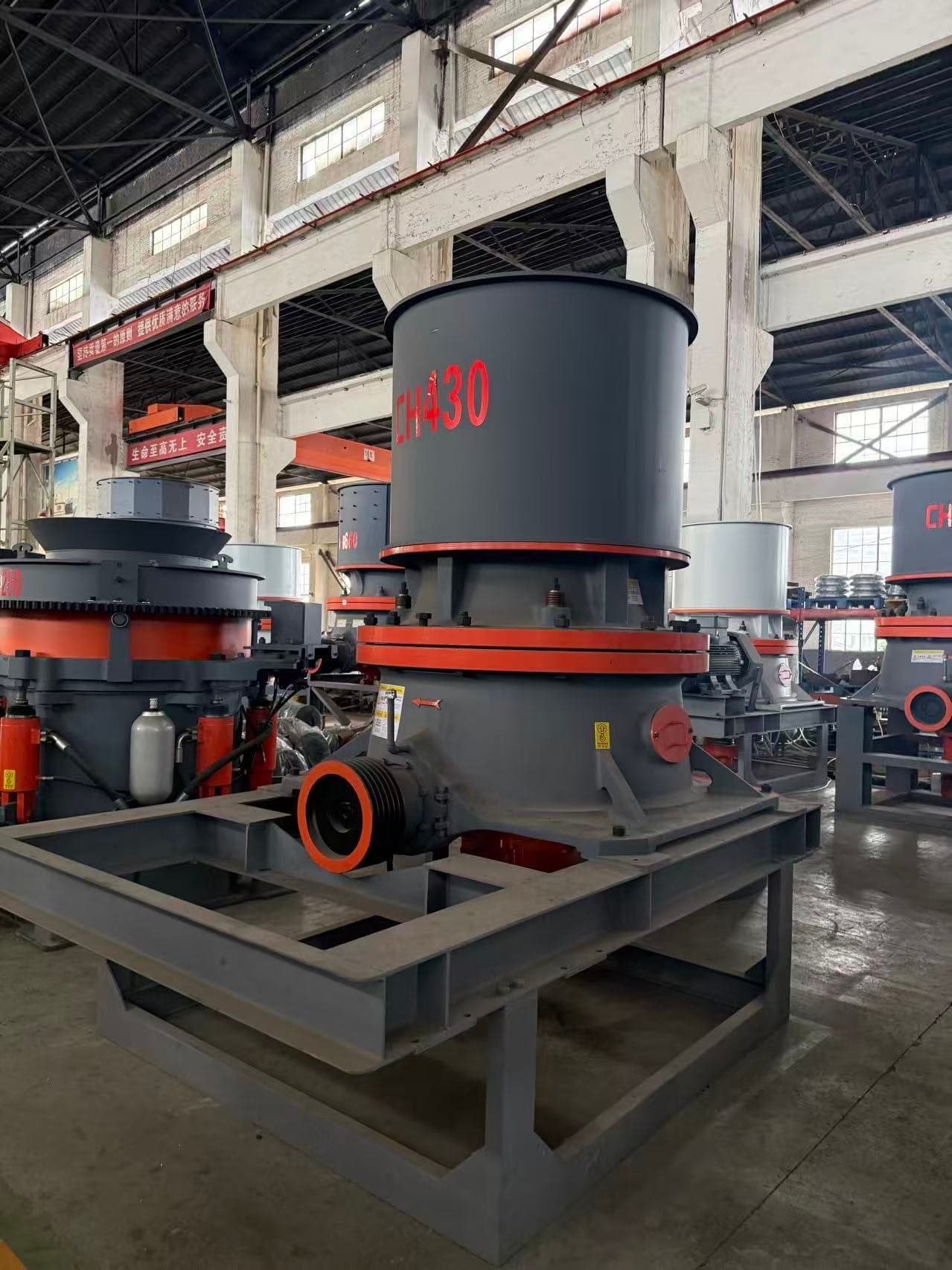
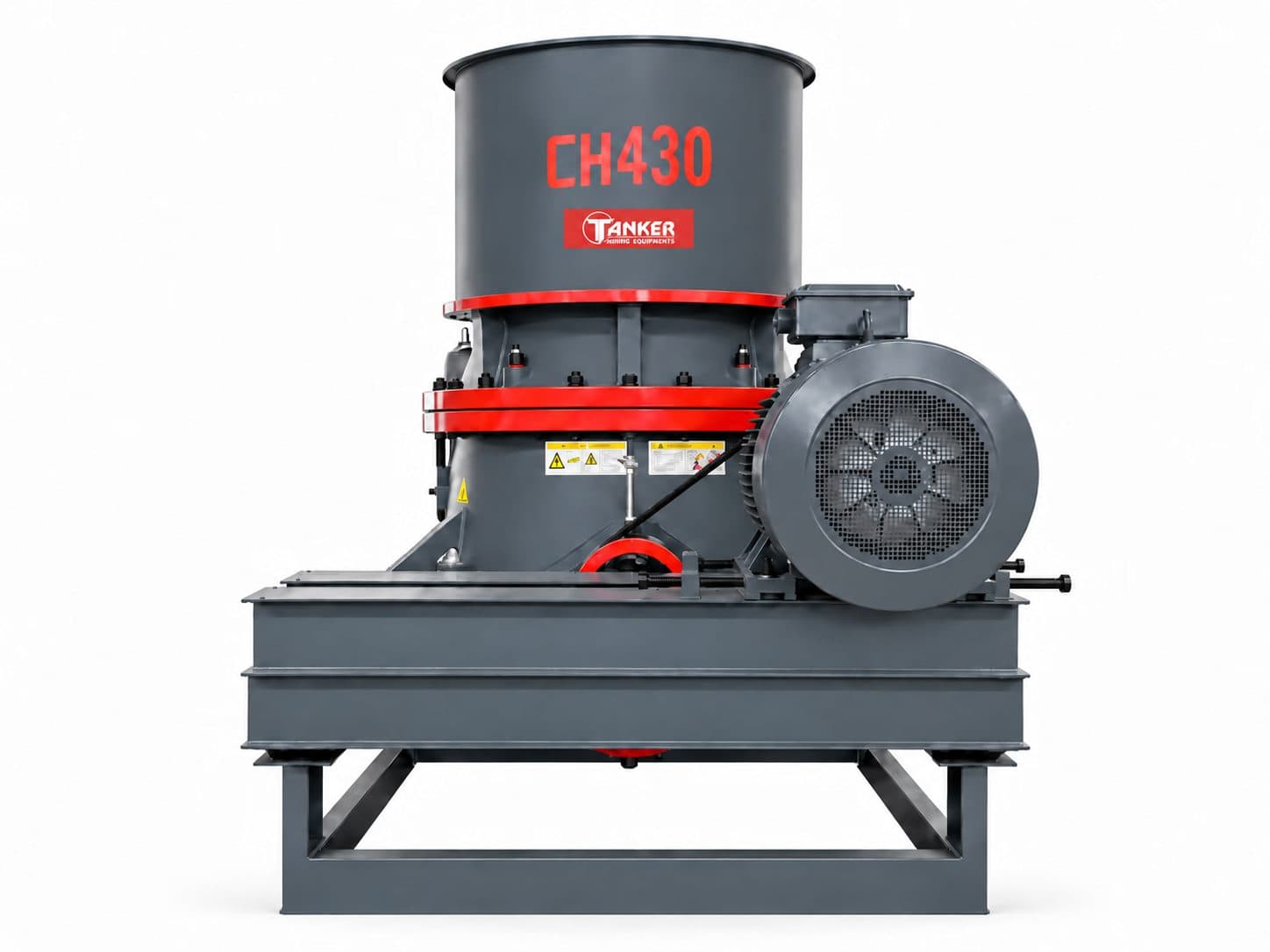
Tanker CH430 single-cylinder hydraulic cone crusher.
The Tanker single-cylinder design uses one main hydraulic cylinder to position the shaft and control the closed-side setting. The same system assists chamber clearing and protects the machine when uncrushable material enters.
Where it stands out: compact hydraulic architecture, quick setting changes, automatic monitoring and stable secondary or tertiary crushing of hard, abrasive feed.
When to choose it: granite, basalt, quartzite, river stone and ore circuits that need high capacity and frequent, accurate setting control. “Single-cylinder” does not mean low capacity; the Tanker range includes large production models.
2. Multi-cylinder hydraulic cone crusher
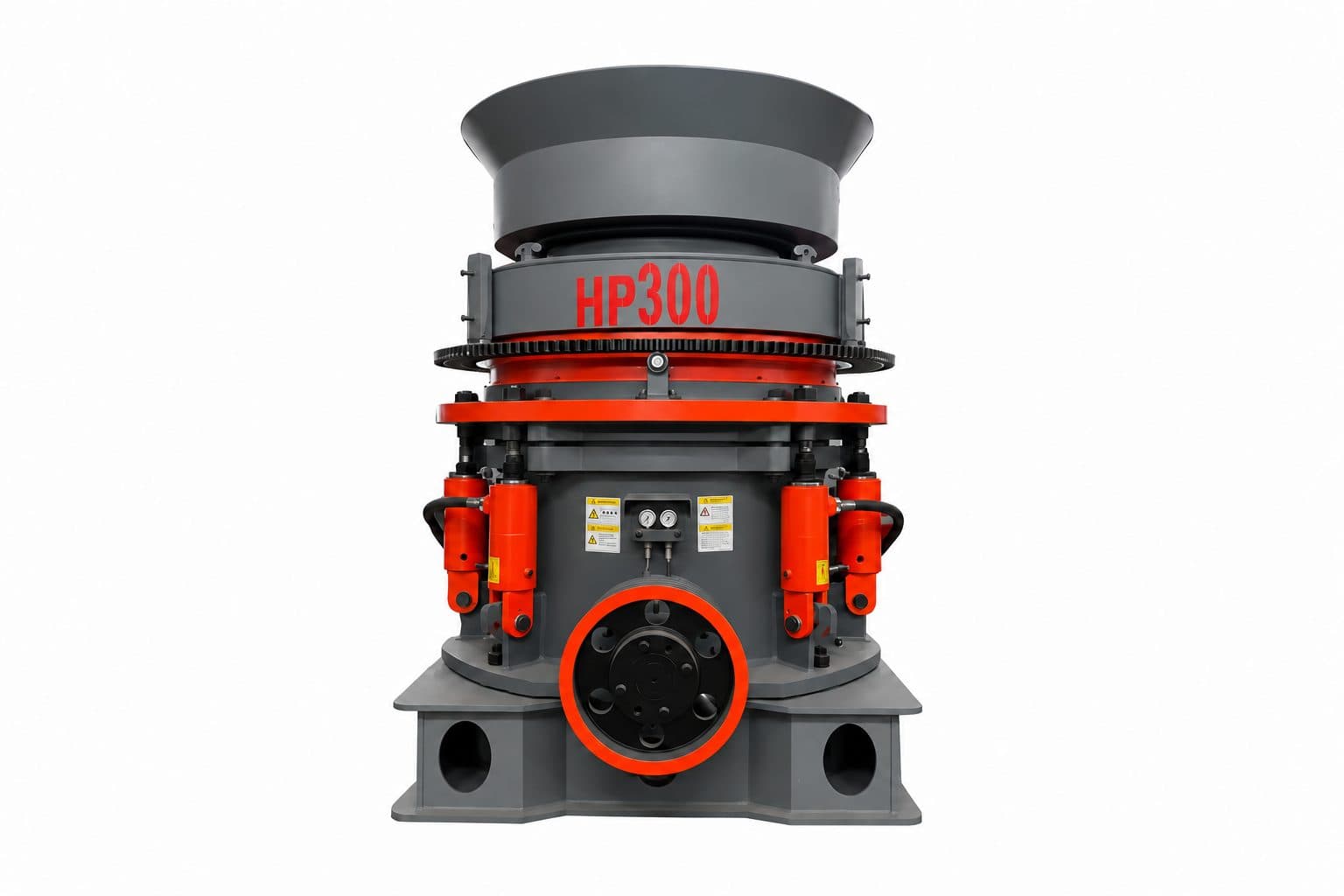
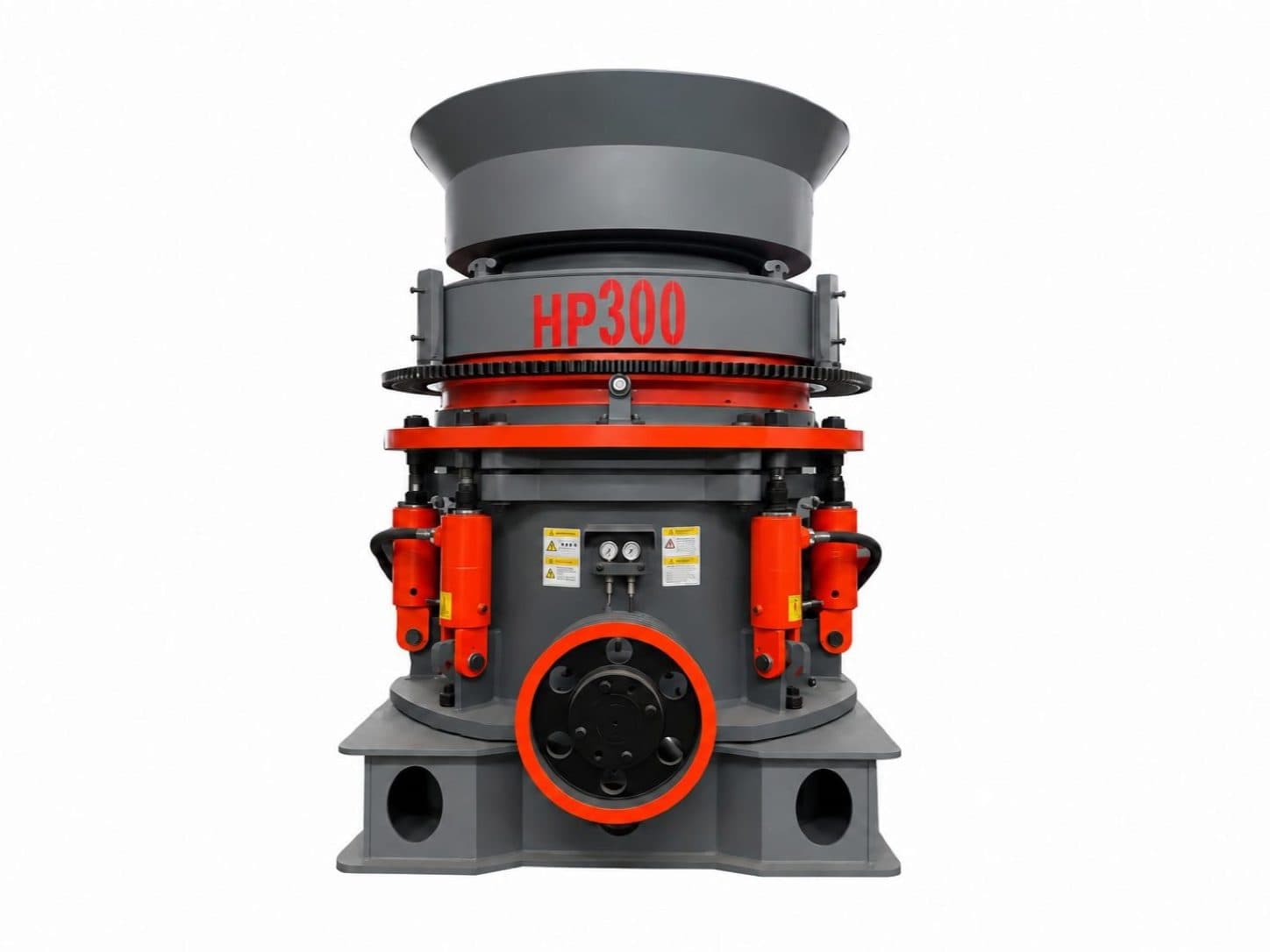
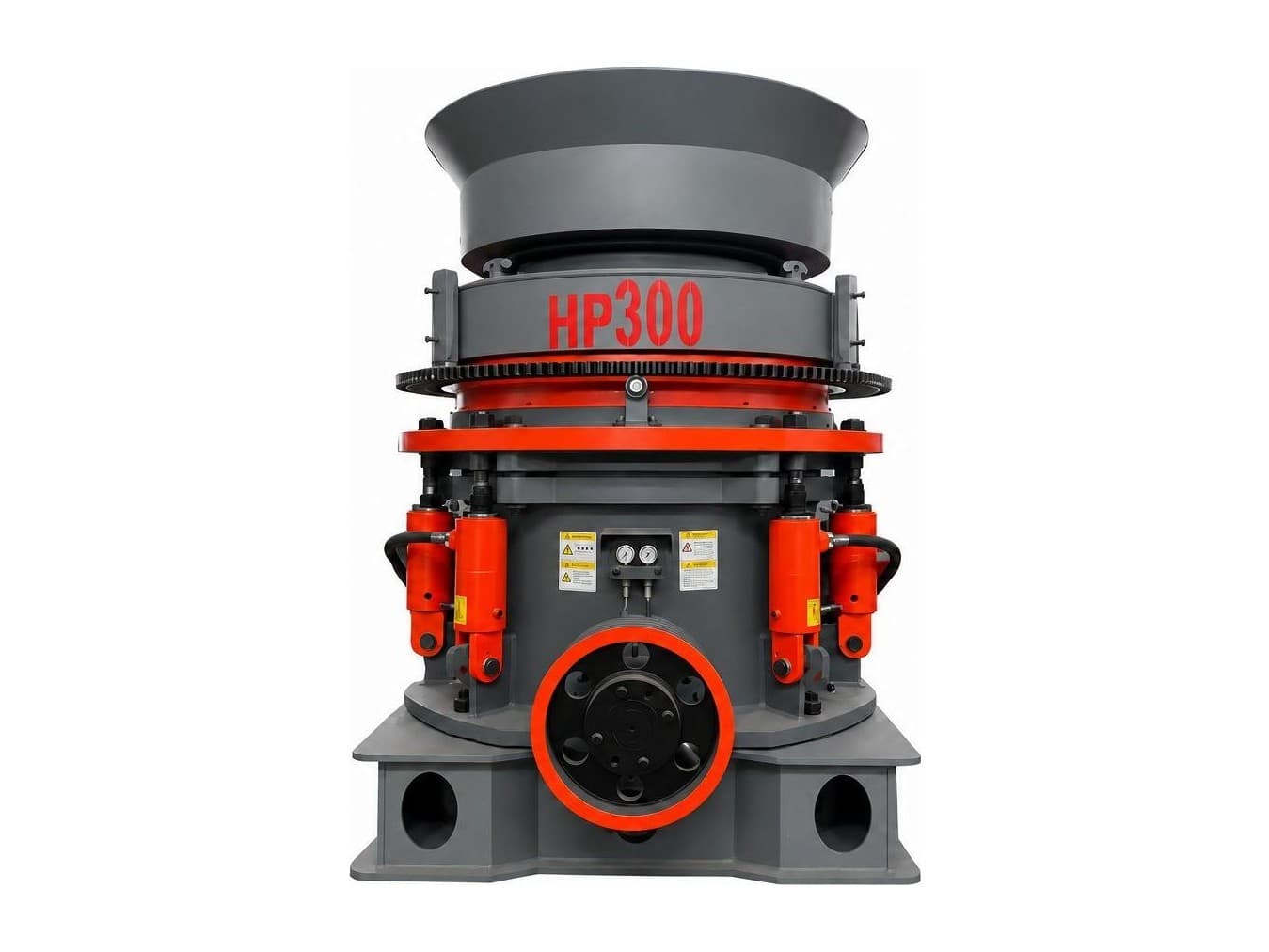
Tanker HPT multi-cylinder hydraulic cone crusher.
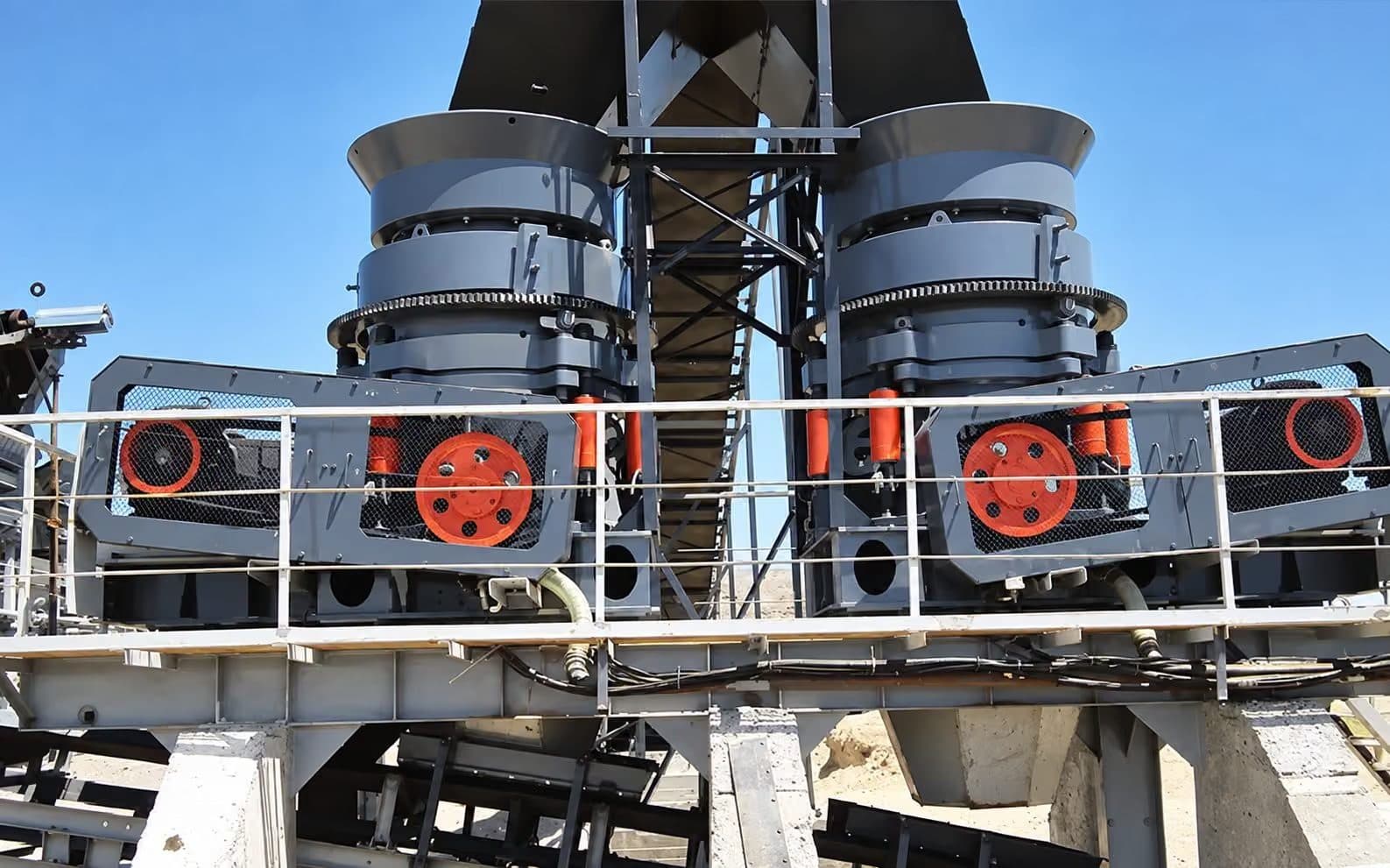
The HPT/HPC multi-cylinder design uses several hydraulic cylinders around the frame. Depending on the design, these work together for adjustment, locking, overload release and chamber clearing.
Where it stands out: high crushing force, a stable setting, strong throughput under choke-fed conditions and good product shape.
When to choose it: continuous high-volume processing of hard rock where consistent grading is required in secondary or fine crushing. These advantages come with a greater need for disciplined hydraulic and lubrication maintenance.
3. PY spring cone crusher
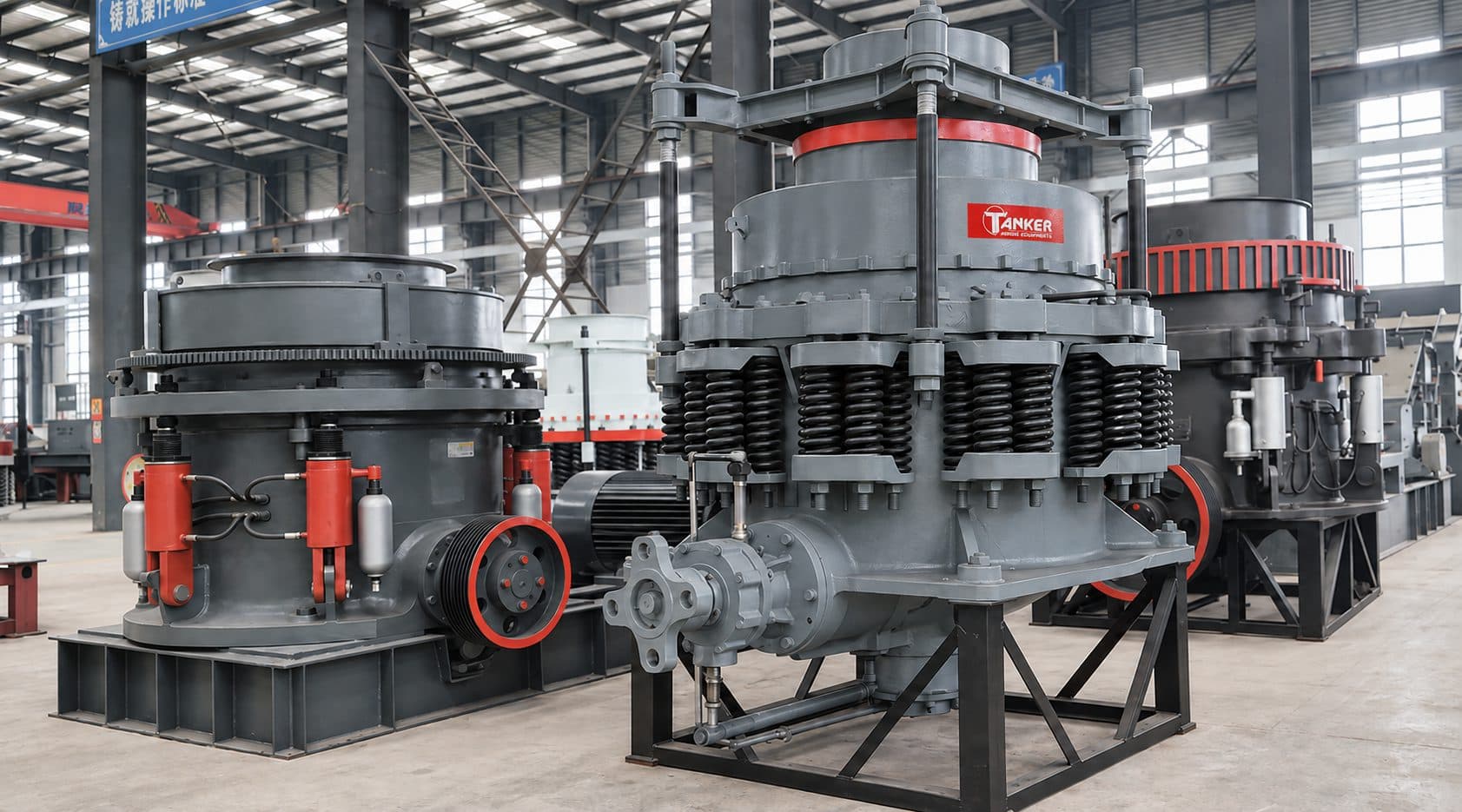
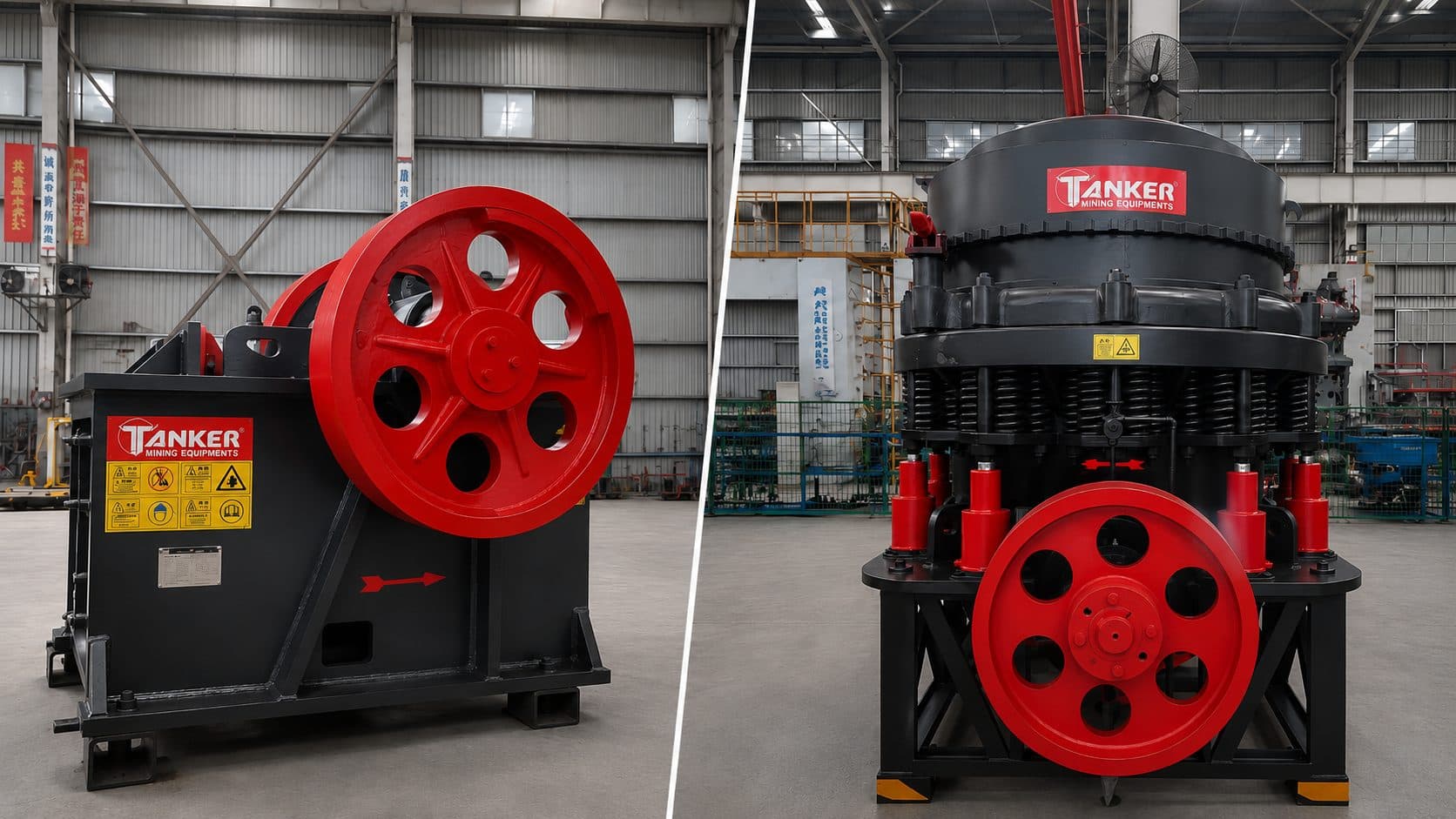
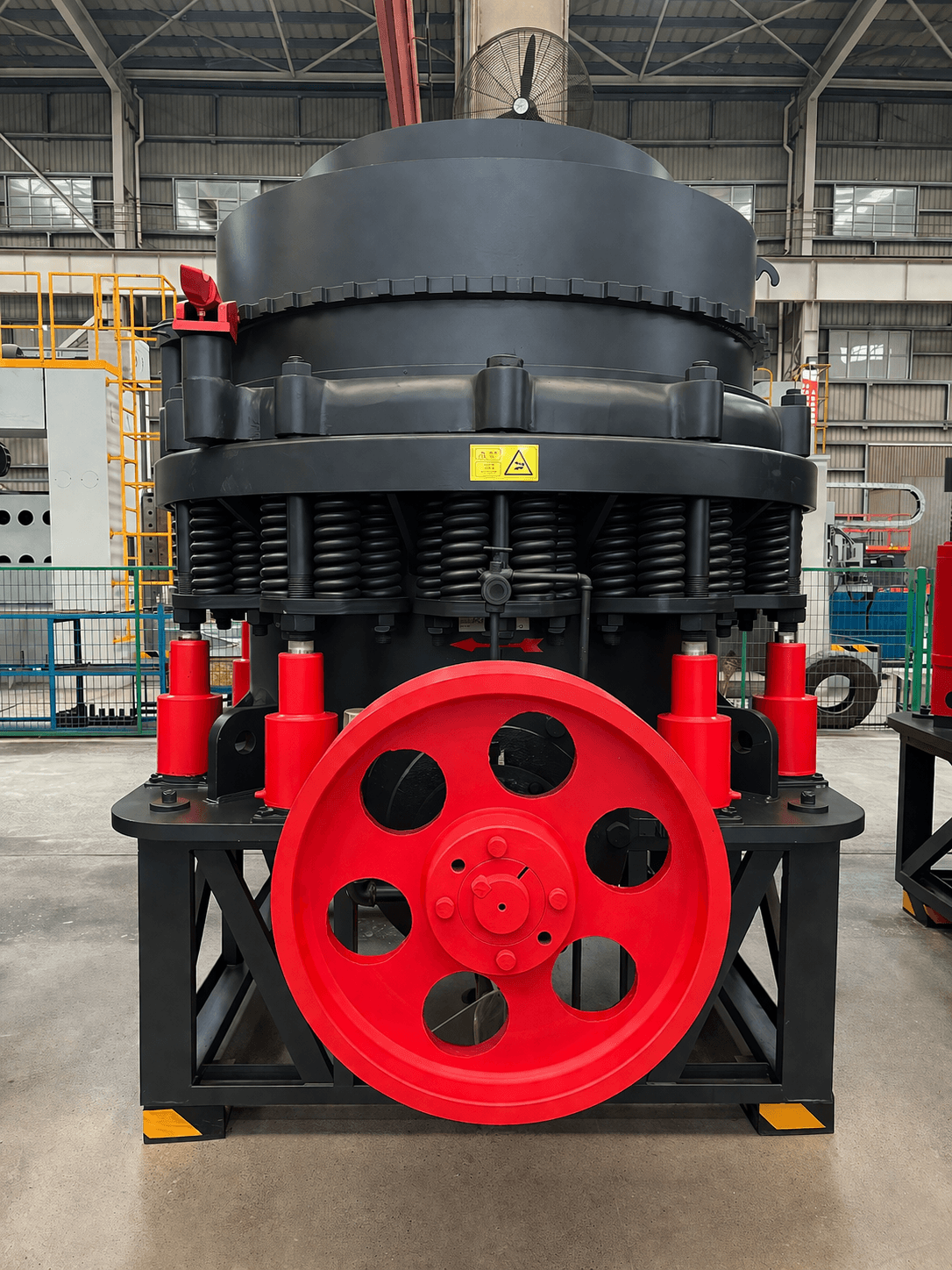
Tanker PY Series spring cone crusher.
The PY series is one of the earlier standardized spring-cone designs to achieve long industrial use. That makes it a mature legacy design, not a useless or obsolete machine. Its construction is straightforward, its components are familiar, and it can still be an economical choice for many quarries.
Spring groups provide overload relief when uncrushable material enters. PYB, PYZ and PYD chambers are matched respectively to coarser, medium and finer crushing duties.
When to choose it: projects with a controlled investment budget, moderate automation requirements and strong local mechanical-maintenance capability. Compared with hydraulic designs, setting changes and chamber clearing after a stop can require more operator time.
4. CS Symons-type cone crusher
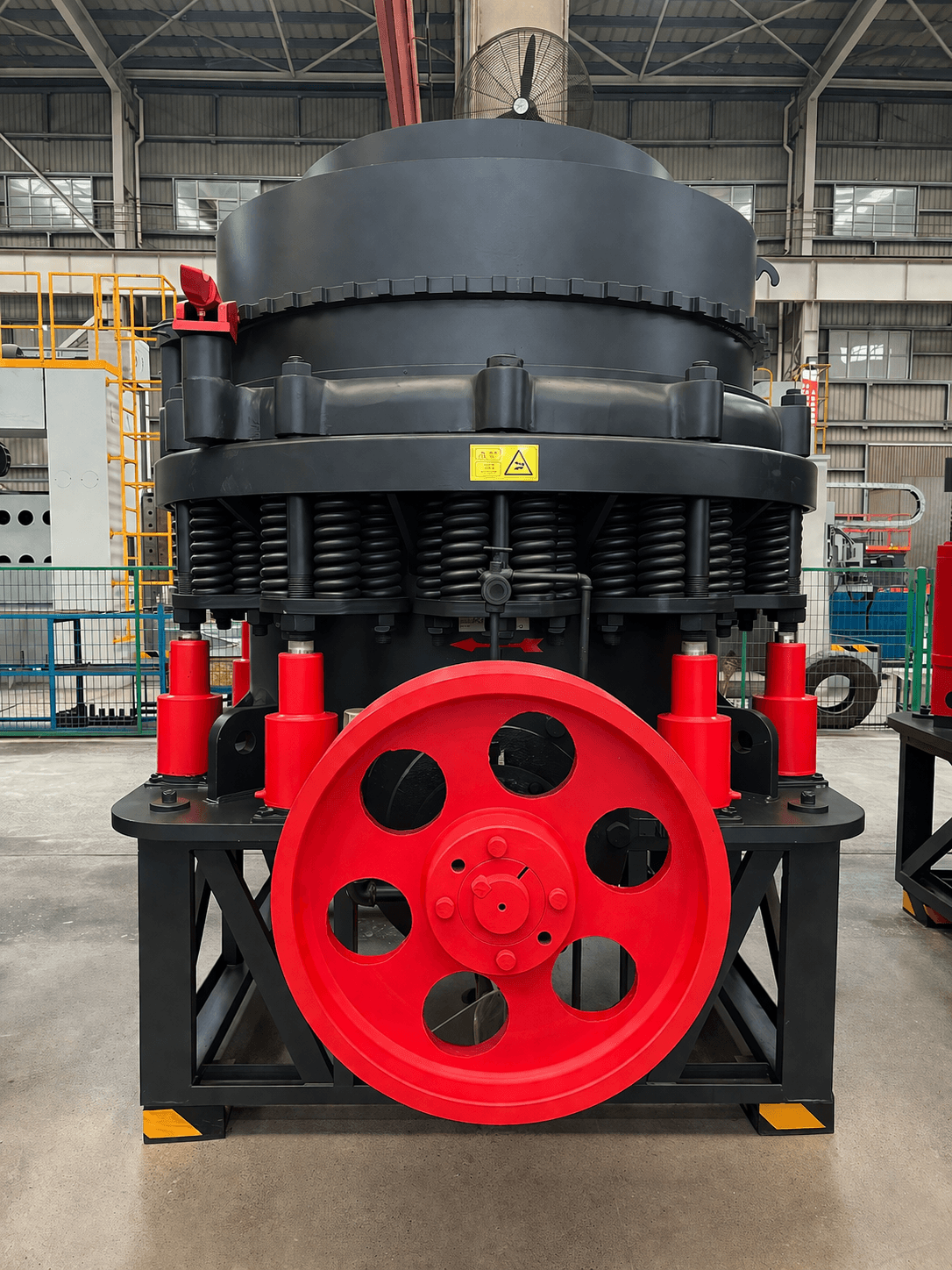
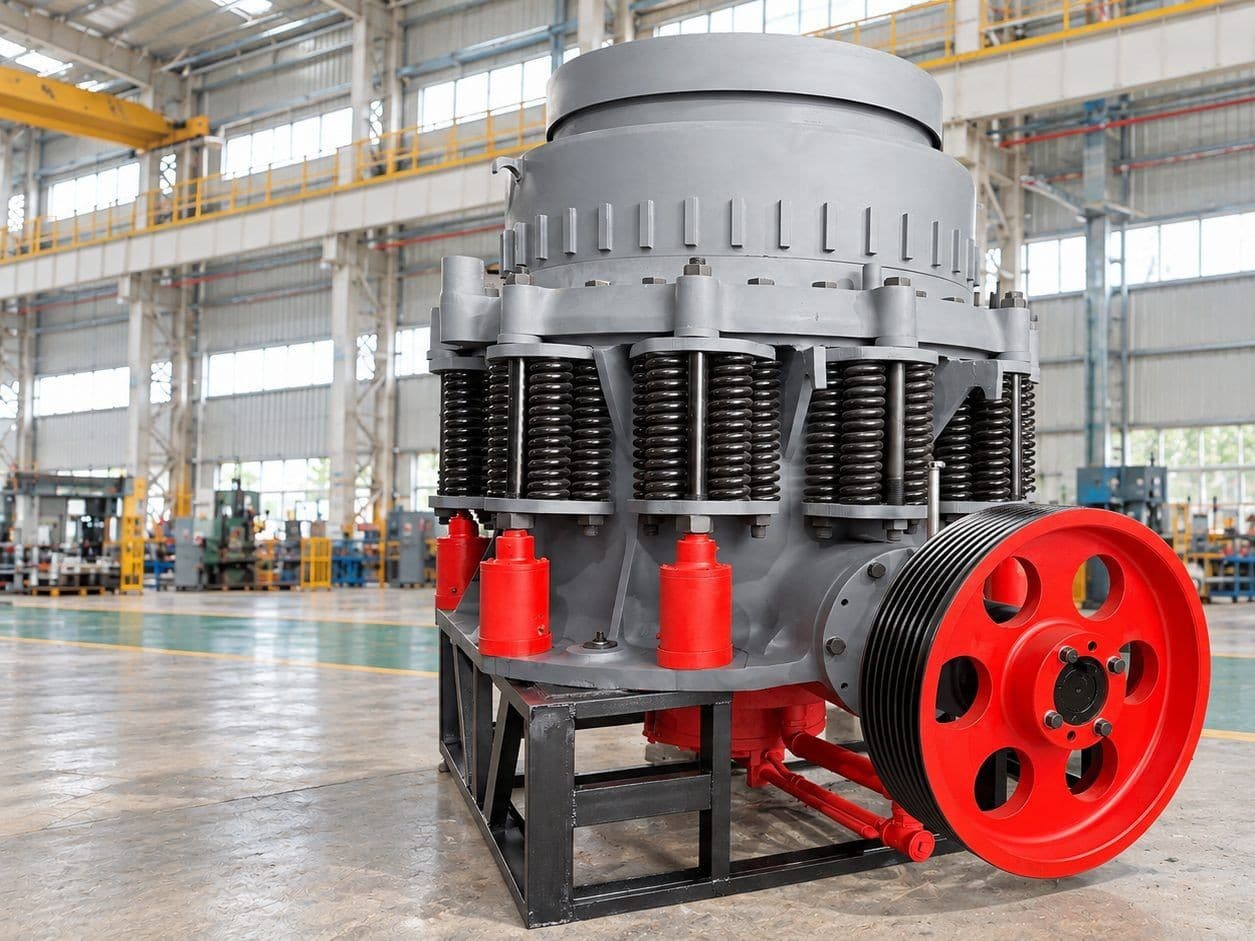
Tanker CS Symons-type cone crusher.
The CS Symons-type crusher is a developed family of the classic spring-cone architecture. In the Tanker range, a CSB standard chamber suits secondary crushing, while a CSD short-head chamber is selected for finer product.
How it differs from PY: both families may use spring overload protection, but their chamber geometry, head design, eccentric arrangement, model ranges and spare parts are not identical. “Symons-type” describes a distinct design family; it is not simply another name for PY.
When to choose it: when a proven mechanical arrangement, good cubical product and broad availability of liners and spare parts are priorities.
5. TK compound (hybrid) cone crusher
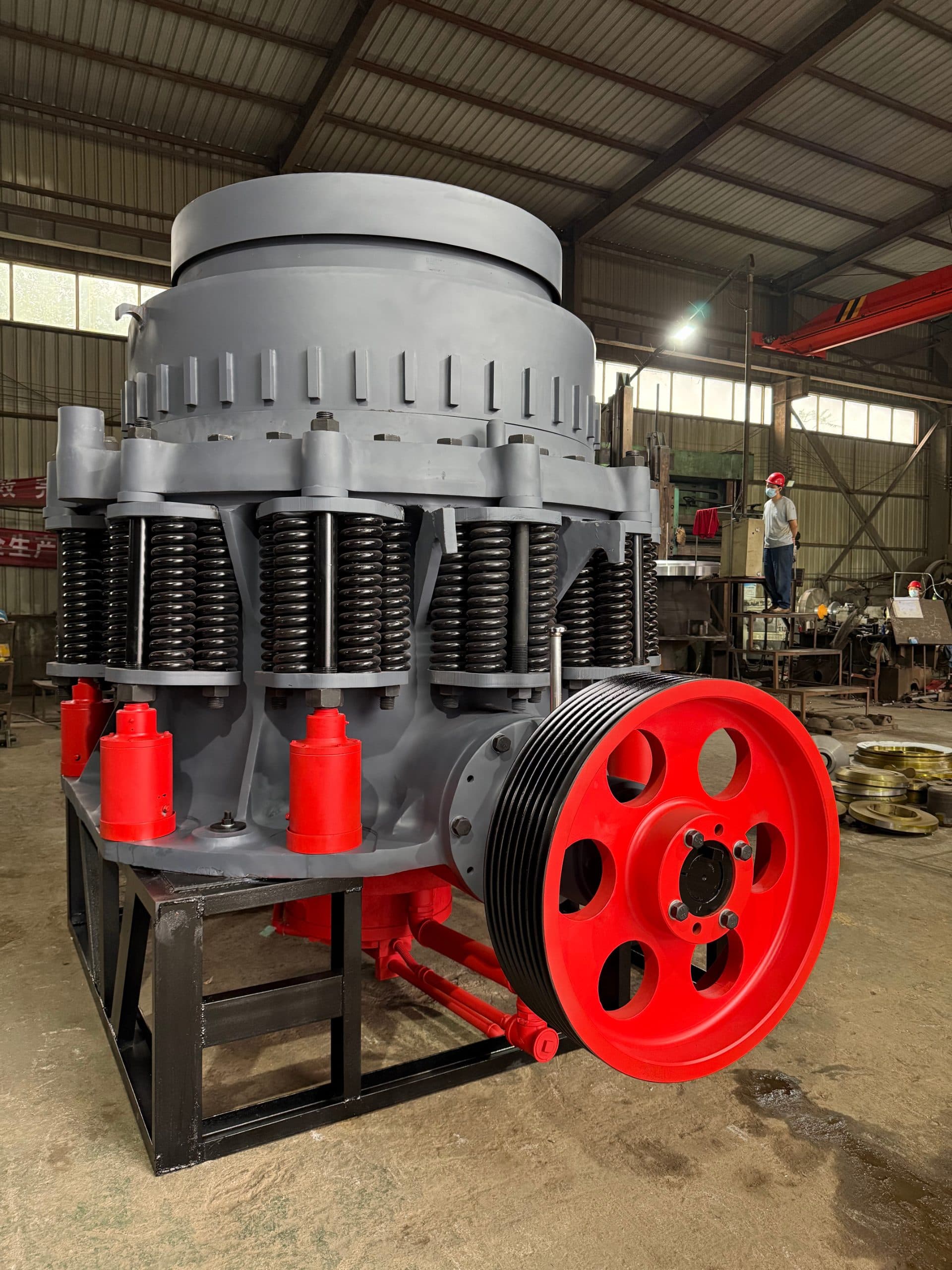
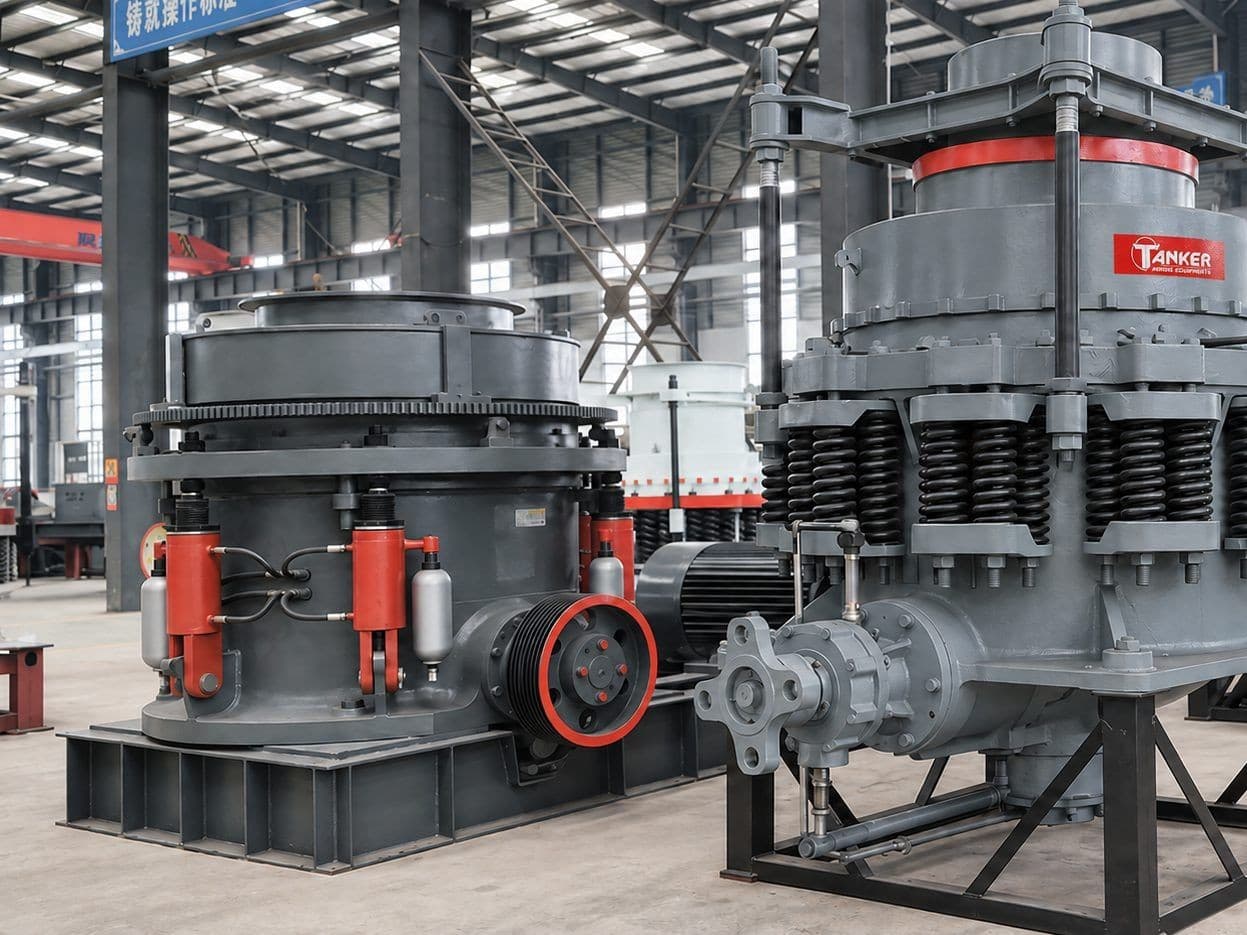
Tanker TK Series compound (hybrid) cone crusher.
The Tanker TK series combines spring overload release with hydraulic discharge-setting adjustment and hydraulic chamber clearing. Here, “hybrid” does not describe an electric/diesel powertrain; it refers to combining two protection and control approaches in one machine.
Where it stands out: spring-based tramp-iron protection, convenient hydraulic adjustment and clearing, a relatively large feed opening and several chambers for secondary and fine crushing.
When to choose it: where operators want the familiar mechanics of a spring system while gaining hydraulic convenience for setting and chamber clearing. TK1200, TK1400 and TK1650 size groups are normally installed after a jaw crusher for secondary or tertiary duty.
Quick comparison
Type | Adjustment and protection | Best fit | Main attention point |
|---|---|---|---|
Single-cylinder hydraulic | One main hydraulic cylinder with automatic monitoring | Hard rock, high capacity, secondary/tertiary duty | Oil cleanliness, pressure, temperature and sensors |
Multi-cylinder hydraulic | Several cylinders, hydraulic setting and clearing | High throughput and stable product grading | More involved hydraulic maintenance |
PY spring | Spring overload release and simple mechanics | Cost-conscious plants with strong mechanical service | More manual time for setting and clearing |
CS Symons-type | Spring release; standard or short-head chamber | Secondary/fine crushing with a broad parts base | Correct chamber and liner-profile selection |
TK compound | Spring release plus hydraulic adjustment/clearing | Balance of mechanical familiarity and hydraulic convenience | Both mechanical and hydraulic systems need service |
Verified series ranges
Series | Maximum feed | Setting/output | Rated capacity |
|---|---|---|---|
Tanker single-cylinder | 38–560 mm | 4–41 mm | 27–2,181 t/h |
Tanker HPT/HPC | 76–320 mm | 6–13 mm minimum setting | 55–700 t/h |
Tanker PY | 36–300 mm | 3–60 mm | 5–1,000 t/h |
Tanker CS Symons-type | Chamber dependent | CSB/CSD chamber dependent | 27–635 t/h |
Tanker TK | Up to 300 mm | 19–65 mm | 110–610 t/h |
These are overall catalogue envelopes for each series; the extreme values do not necessarily occur together on one model. Actual capacity depends on chamber, closed-side setting, feed hardness and abrasiveness, moisture, feed grading, liner condition and consistent feed distribution.
How to select the right cone crusher type
Check the feed first. The maximum lump must remain below the practical receiving limit of the selected chamber.
Define every saleable product. “0–20 mm” alone is not enough; list every required fraction and any particle-shape limits.
Calculate the complete circuit. Screen capacity, circulating load, conveyors and feeder must match the crusher.
Evaluate maintenance capability. Hydraulic machines deliver their full benefit only with sound oil management, diagnostics and automation support.
Design for even feed. Centered, continuous and preferably choke feeding often affects product shape and liner wear more than the model name.
Frequently asked questions
Is the PY cone crusher outdated?
PY is an older, mature spring design. It trails modern hydraulic crushers in automation and adjustment speed, but remains practical where straightforward maintenance and lower initial investment matter most.
Are PY and Symons-type crushers the same?
No. Both may use springs and compression crushing, but chamber geometry, head construction, model families and spare parts differ.
Which is better: single-cylinder or multi-cylinder?
There is no universal winner. Single-cylinder designs offer compact hydraulic control and broad application; multi-cylinder designs are noted for high crushing force and stability under choke-fed operation. The circuit duty decides.
Why is TK called a hybrid cone crusher?
Because it combines spring overload release with hydraulic setting adjustment and hydraulic chamber clearing.
Can a cone crusher replace a jaw crusher?
Not in most conventional circuits. A jaw crusher normally accepts large run-of-mine feed in the primary stage; the cone crusher follows in secondary or tertiary duty.
What information does Tanker need for model selection?
Provide the material and laboratory data, maximum feed size, required t/h, every finished fraction, moisture and clay content, operating hours, available power and a site layout.
Conclusion
PY and CS Symons-type machines provide proven spring mechanics; single- and multi-cylinder hydraulic designs strengthen adjustment and automation; the Tanker TK compound crusher combines both approaches. The best crusher is not automatically the newest or largest—it is the machine correctly matched to the feed, required products and maintenance capability.