7 Advantages of Multi-Cylinder Hydraulic Cone Crushers
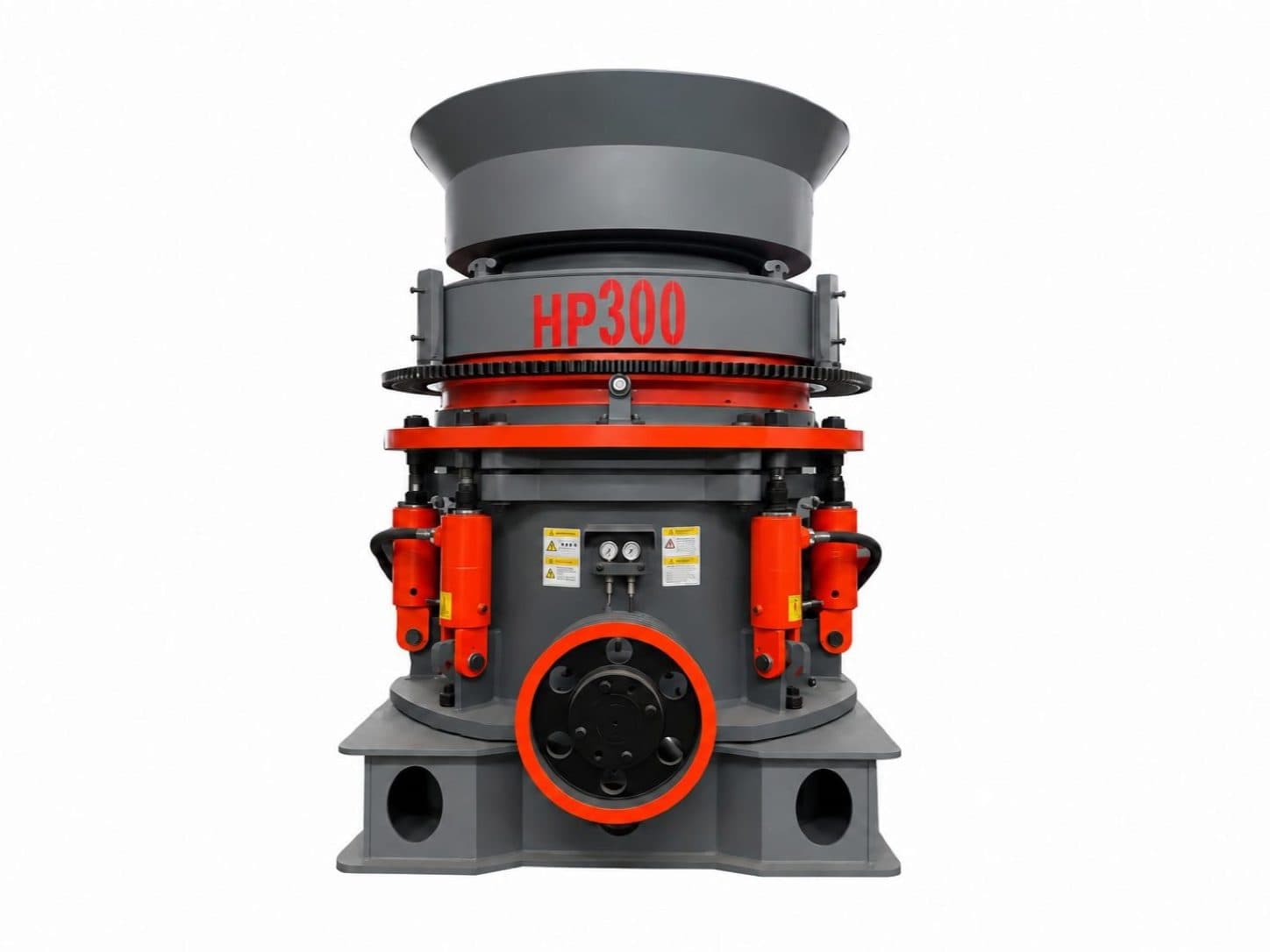
The HPT multi-cylinder hydraulic cone crusher is designed for secondary and tertiary crushing of hard, abrasive rock. Several hydraulic cylinders around the frame work with the upper assembly to support locking, overload response and chamber clearing.
Good results are not automatic. The wrong chamber, closed-side setting (CSS), feed distribution, oil condition, screen capacity or circulating-load calculation can prevent even a modern crusher from reaching its planned output and product quality.
Quick answer
The most useful HPT advantages are accurate setting control, protection when uncrushable material enters, easier clearing of a packed chamber, automatic monitoring, high crushing force and adaptability through different chamber profiles. These benefits depend on correct feeding and disciplined maintenance.
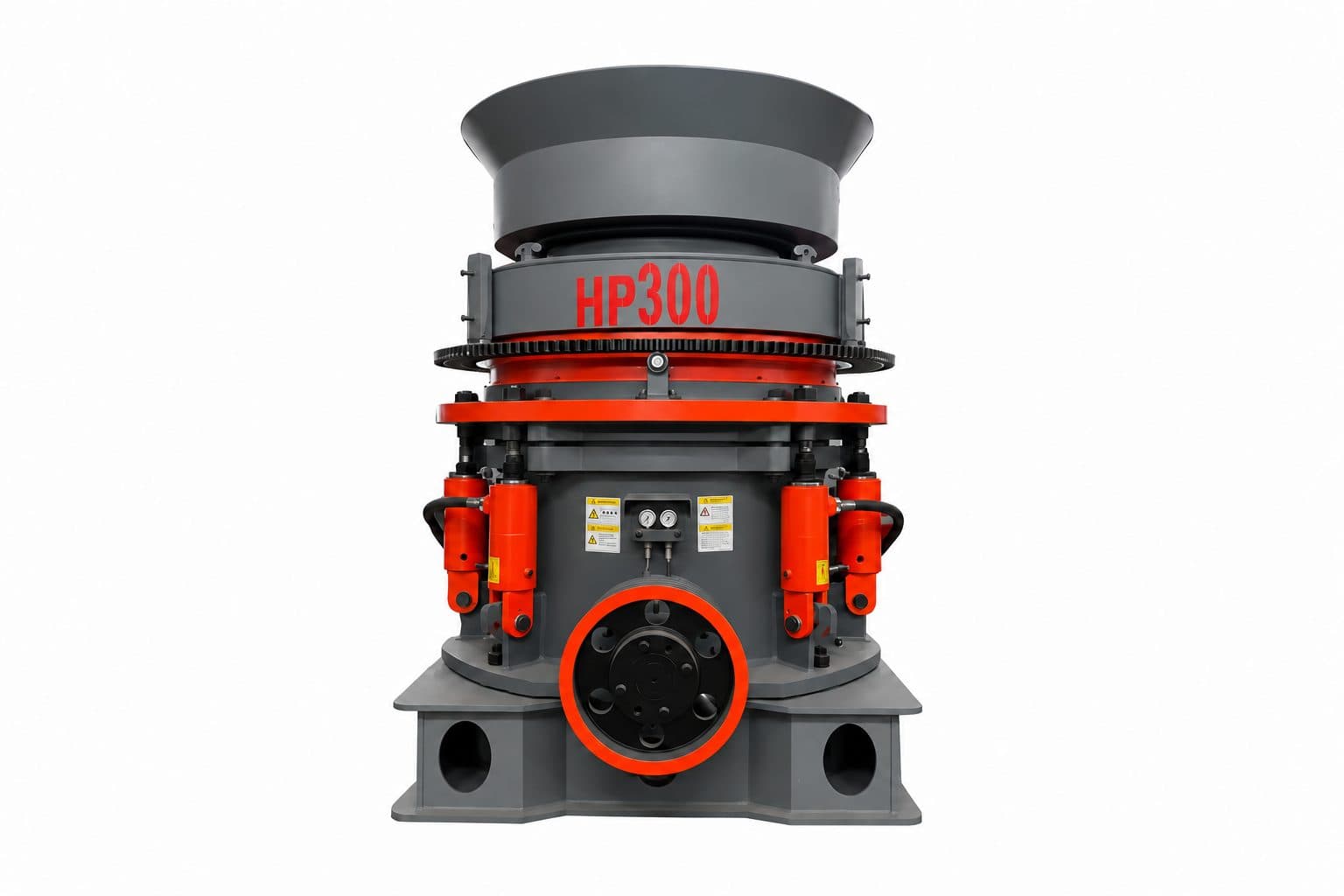
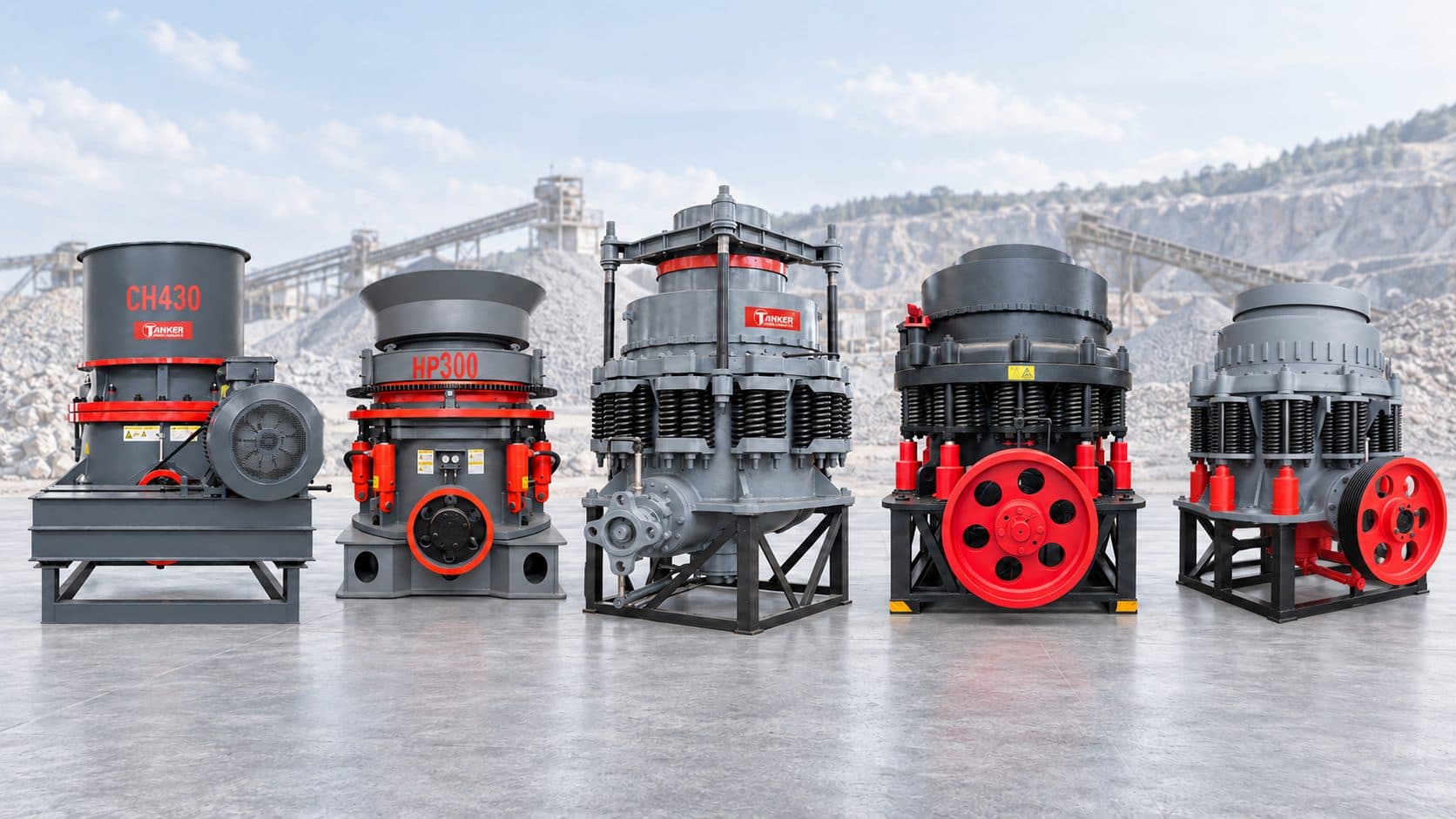
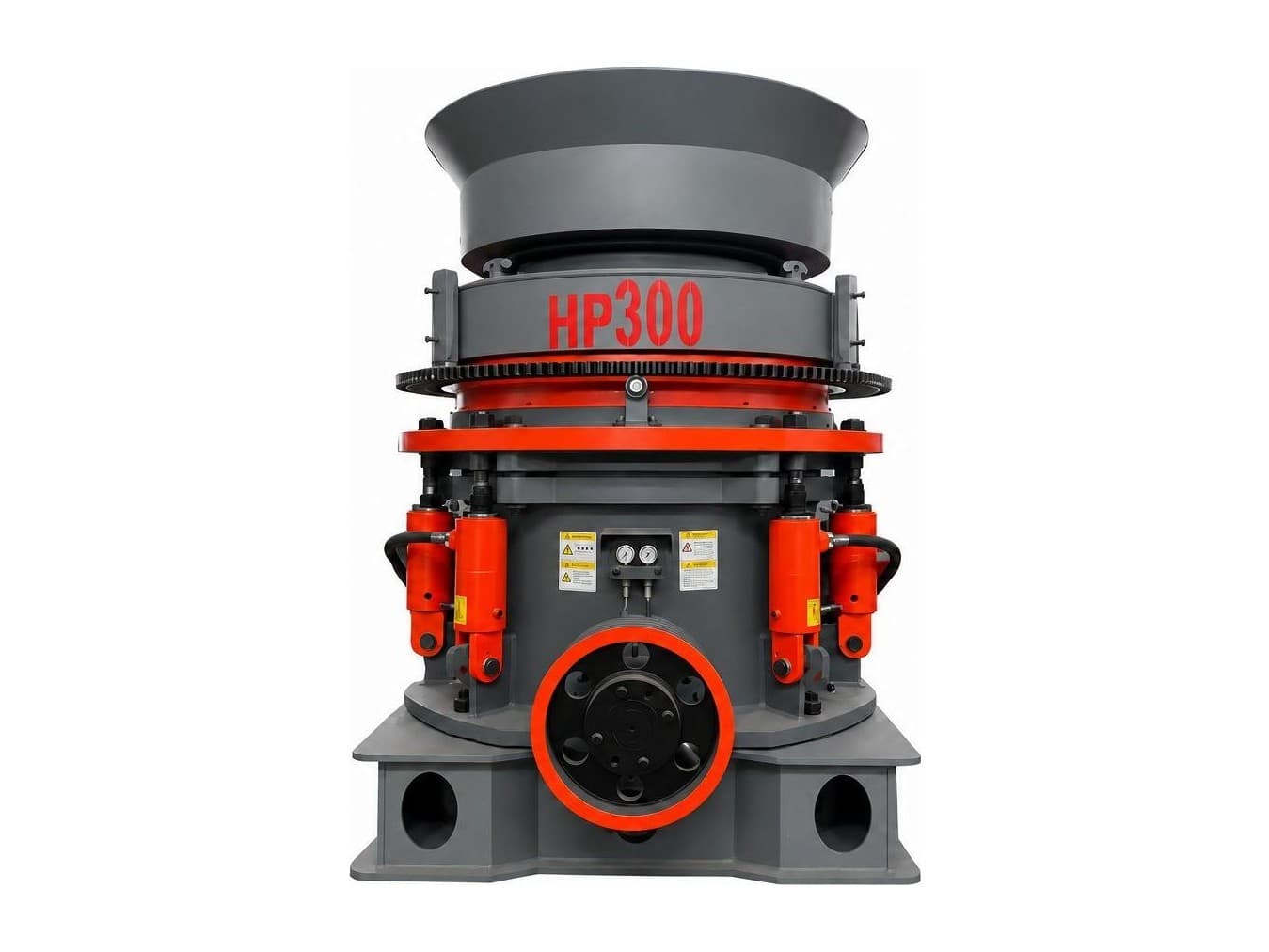
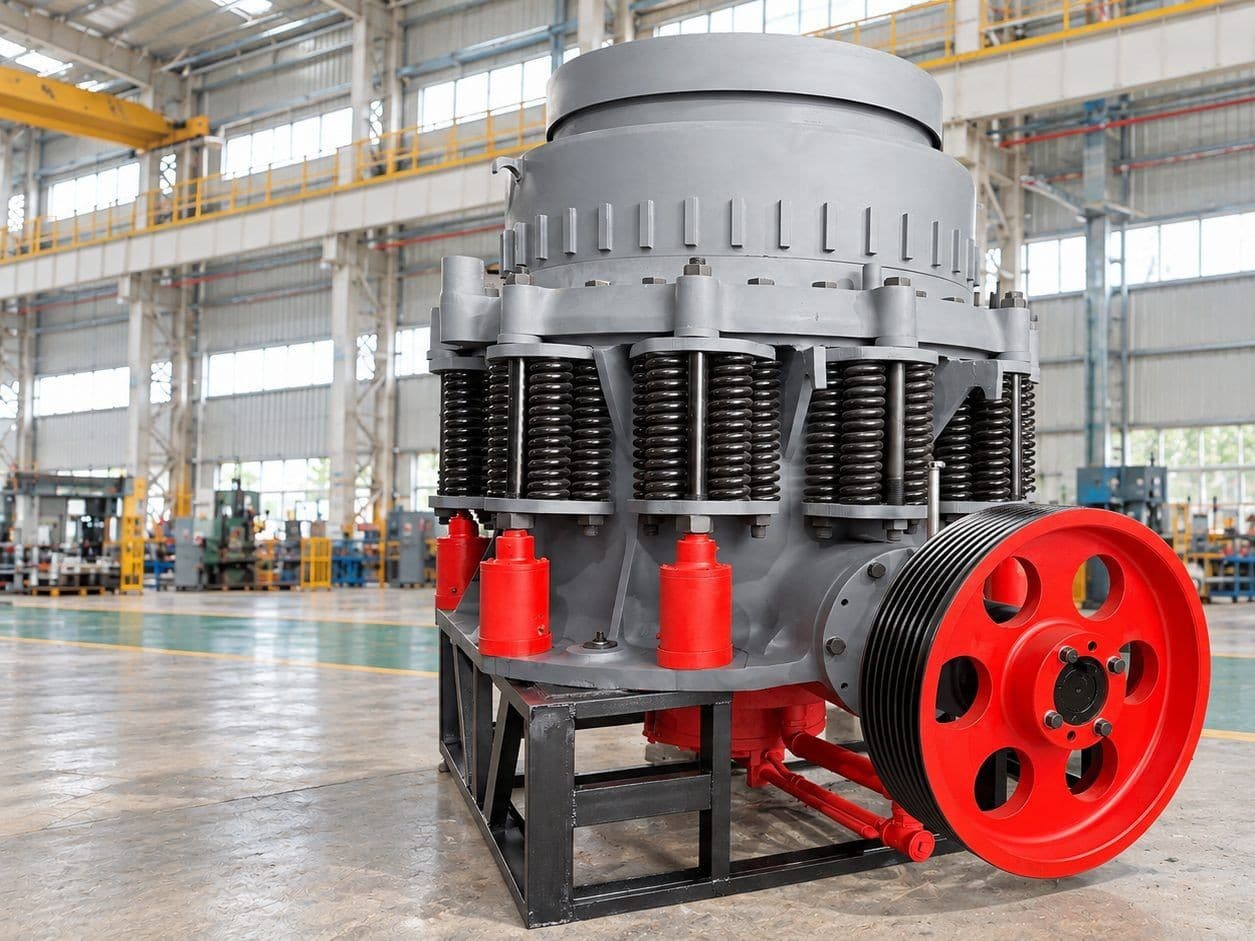
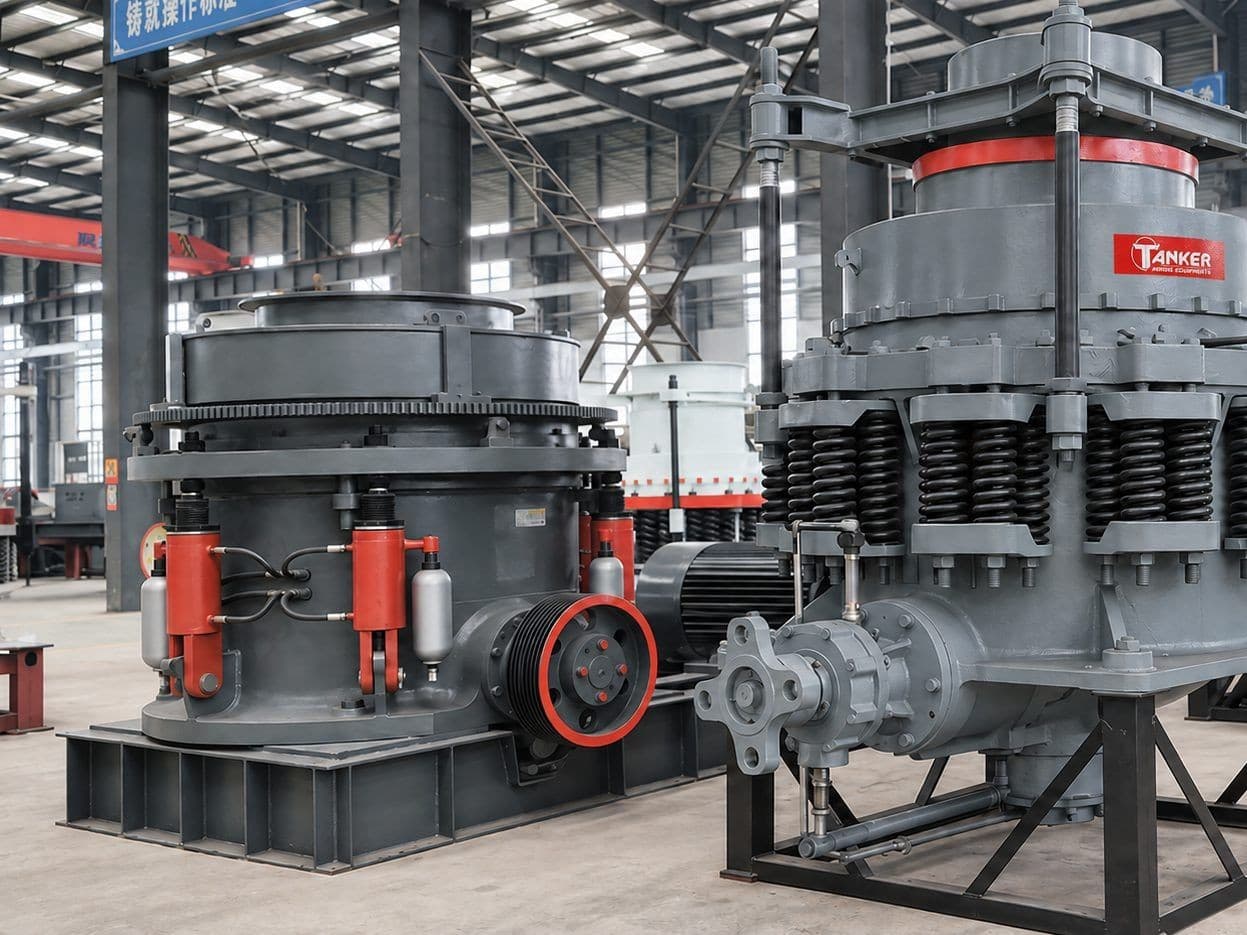
Tanker HPT multi-cylinder hydraulic cone crusher for secondary and fine crushing of hard rock.
How does an HPT multi-cylinder cone crusher work?
The motor turns the drive and eccentric assembly. The eccentric makes the moving mantle oscillate inside the stationary concave. Material is compressed as the chamber closes, moves lower as it opens and leaves after becoming smaller than the discharge opening.
In the HPT arrangement, the hydraulic adjustment unit and cylinders around the frame keep the upper assembly in its operating position. When uncrushable material enters, the protection system helps release the load; if the chamber packs, hydraulic clearing helps open the chamber and discharge material.
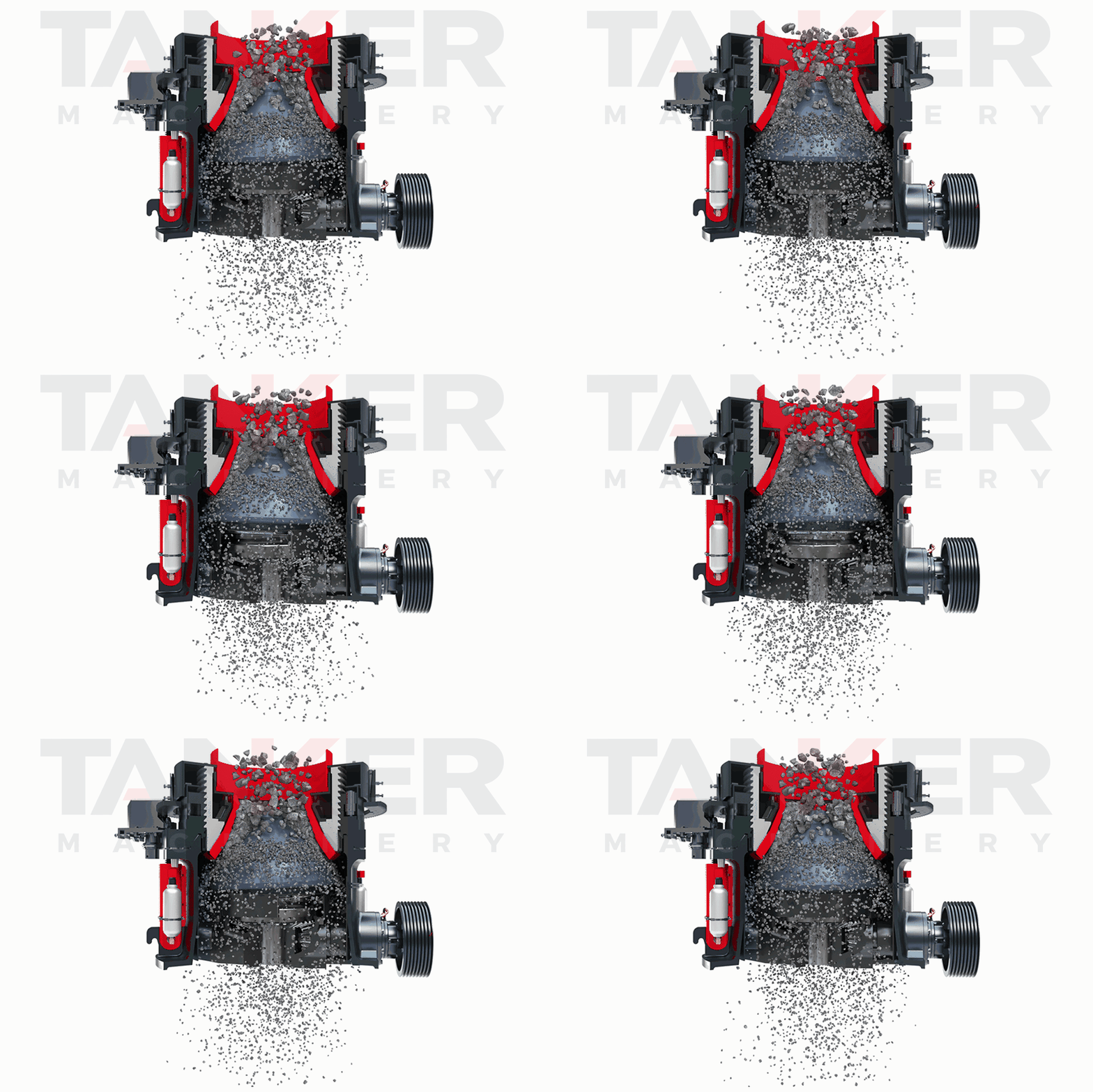
The animation shows material being compressed progressively between the liners and moving downward through the chamber.
7 practical advantages of multi-cylinder hydraulic cone crushers
1. Faster and more accurate setting adjustment
Hydraulic control can change the CSS more quickly than a manual mechanical arrangement and restore the setting as liners wear. This helps control the product top size. Some models permit adjustment under load, while others require the feed to stop; the exact procedure is model-specific.
2. Protection against uncrushable material
If metal or another uncrushable object enters, a hydraulic overload system can open the chamber and limit the load. Whether it returns automatically depends on the model and control logic. A magnet and metal detector remain necessary—hydraulic protection is not permission to feed tramp metal deliberately.
3. Faster clearing of a packed chamber
After a power failure, overload or feed problem, hydraulic clearing increases the space between the liners and helps discharge trapped material. This can reduce manual digging and shorten an unplanned stoppage.
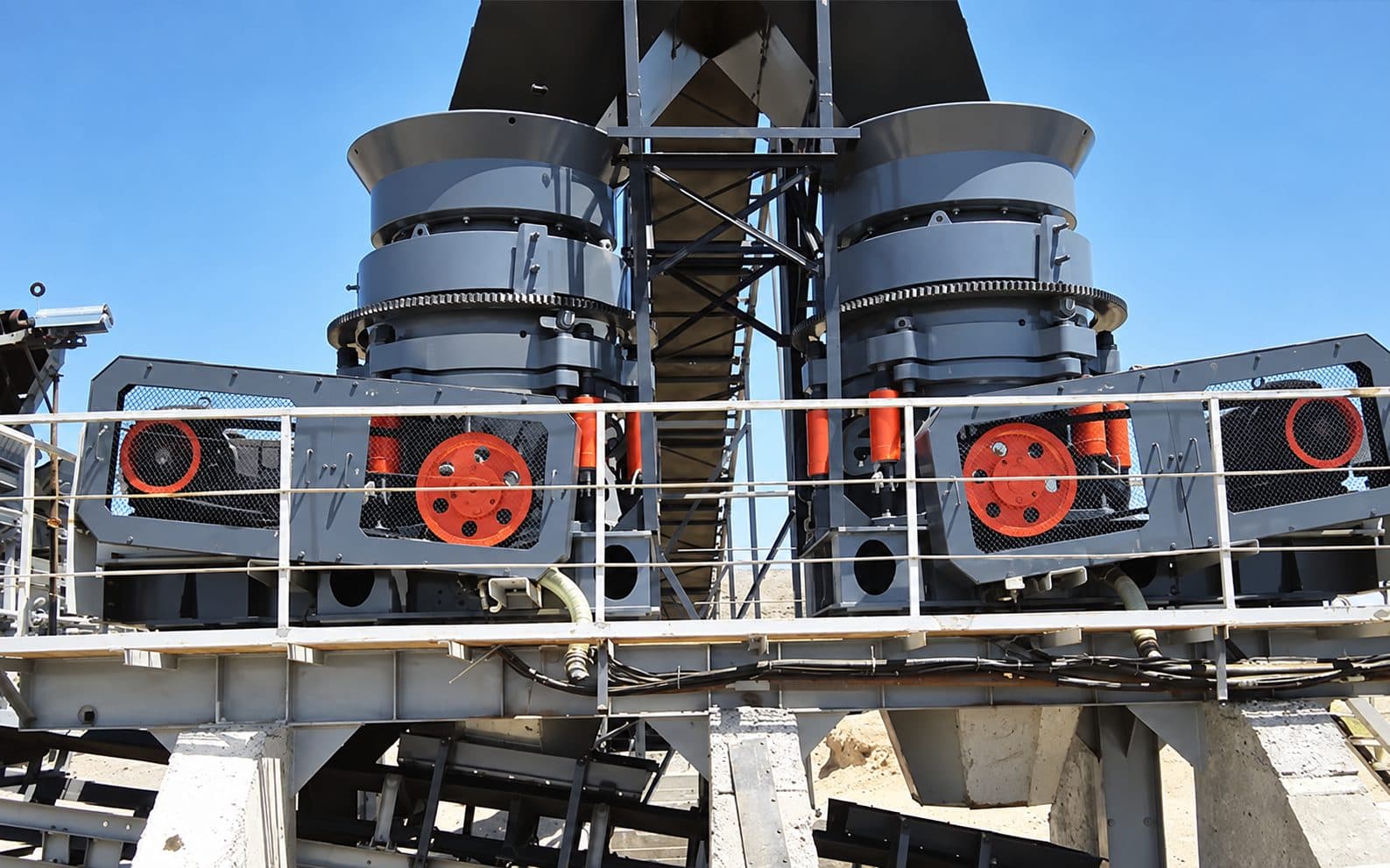
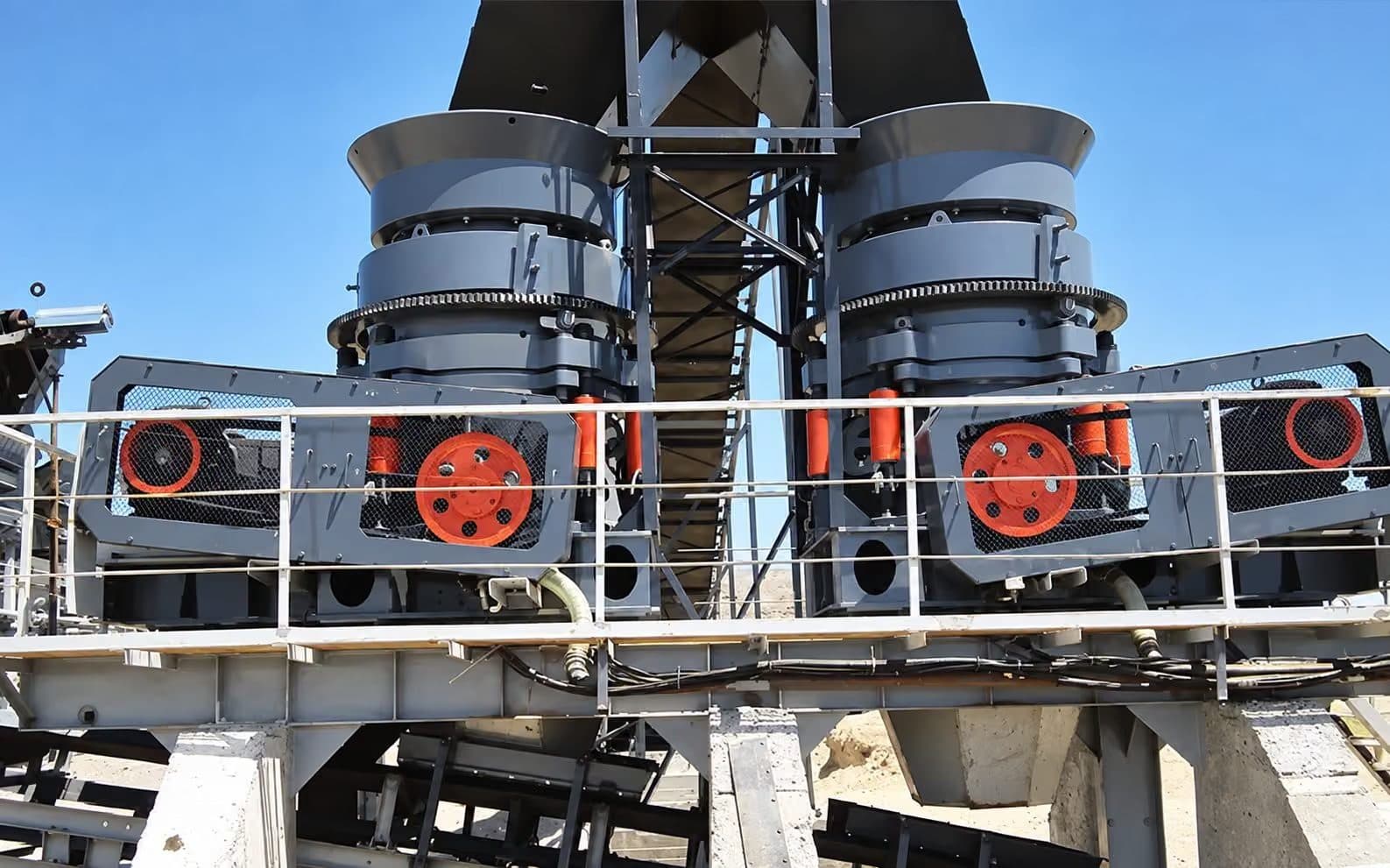
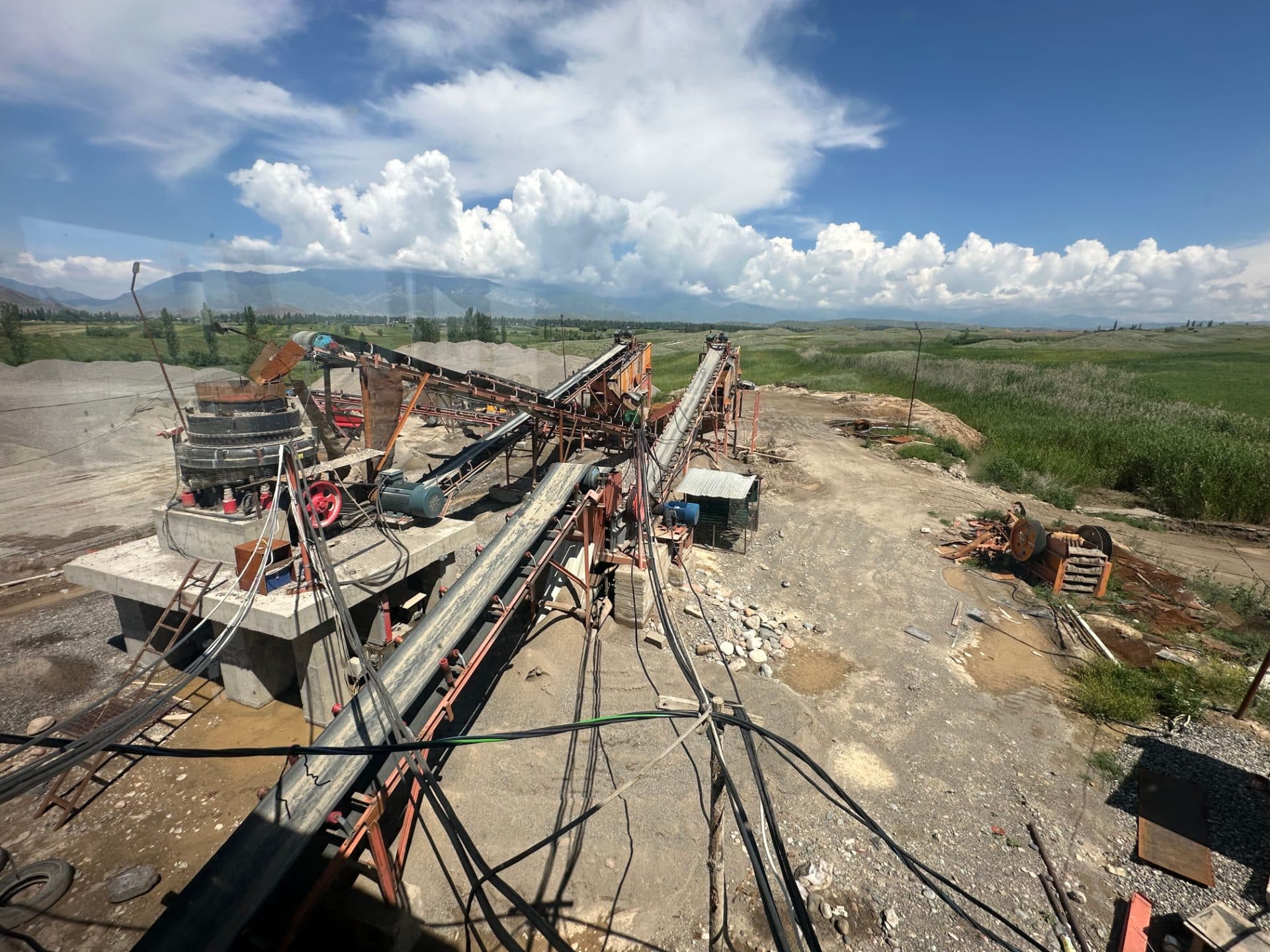
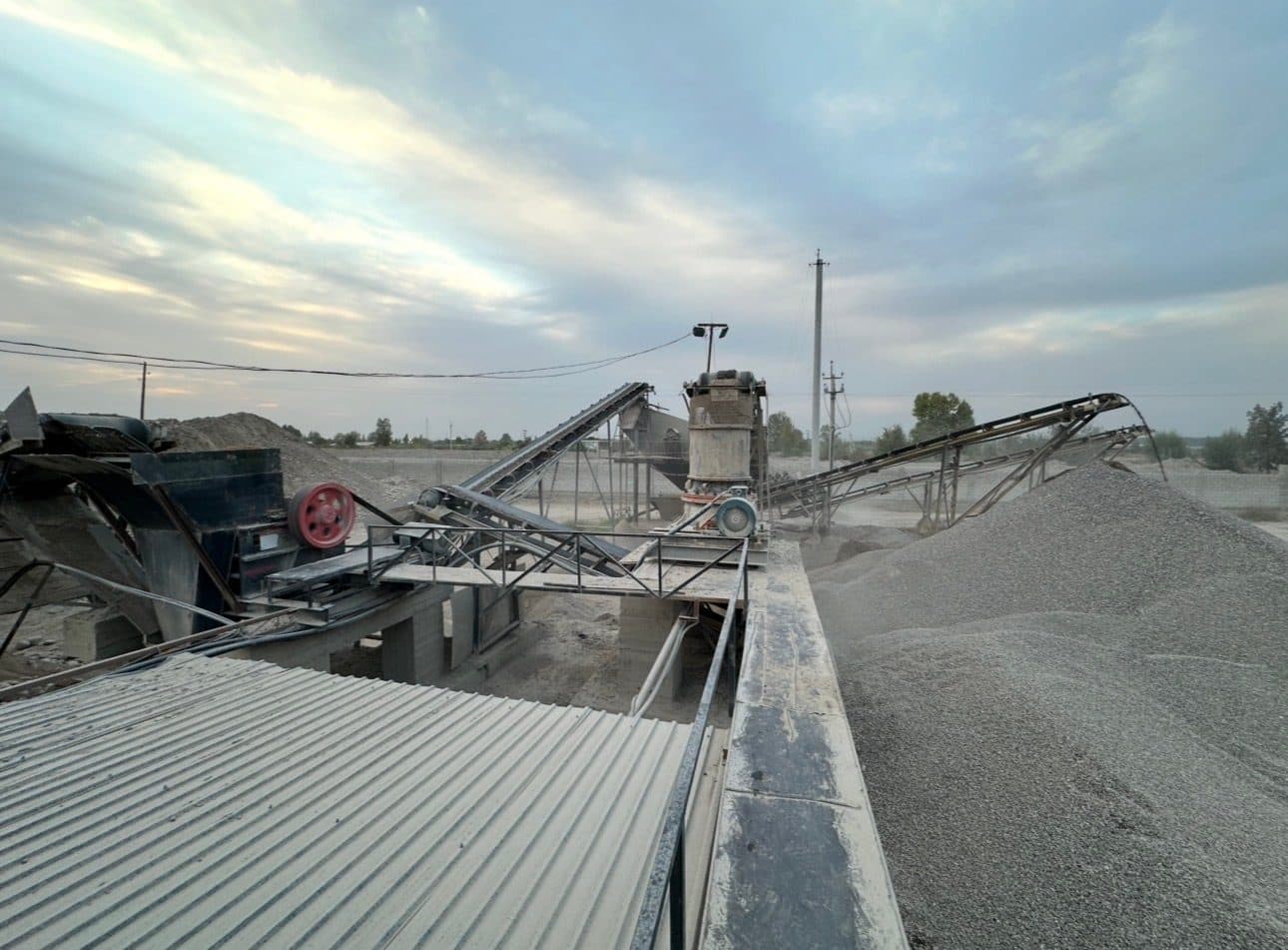
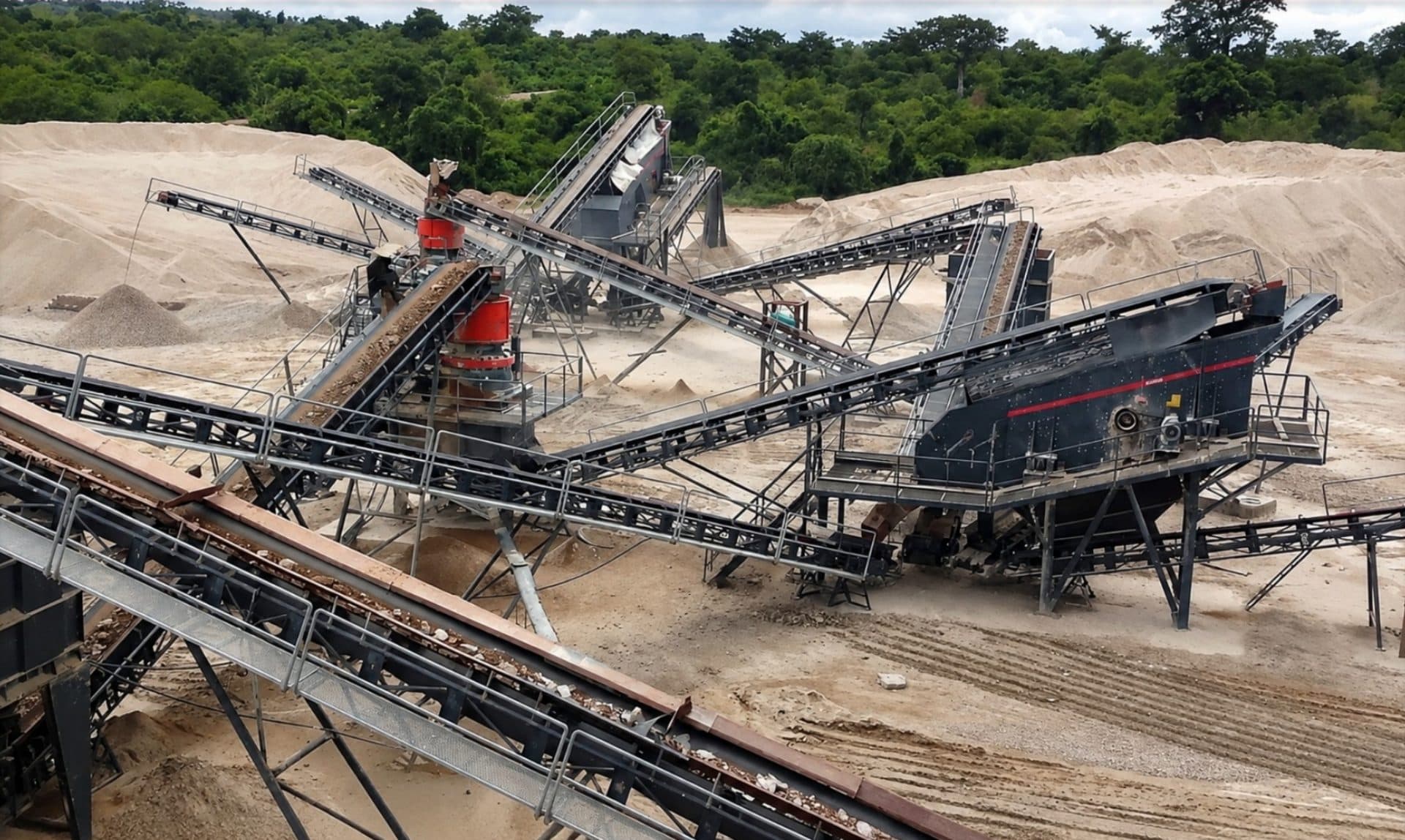
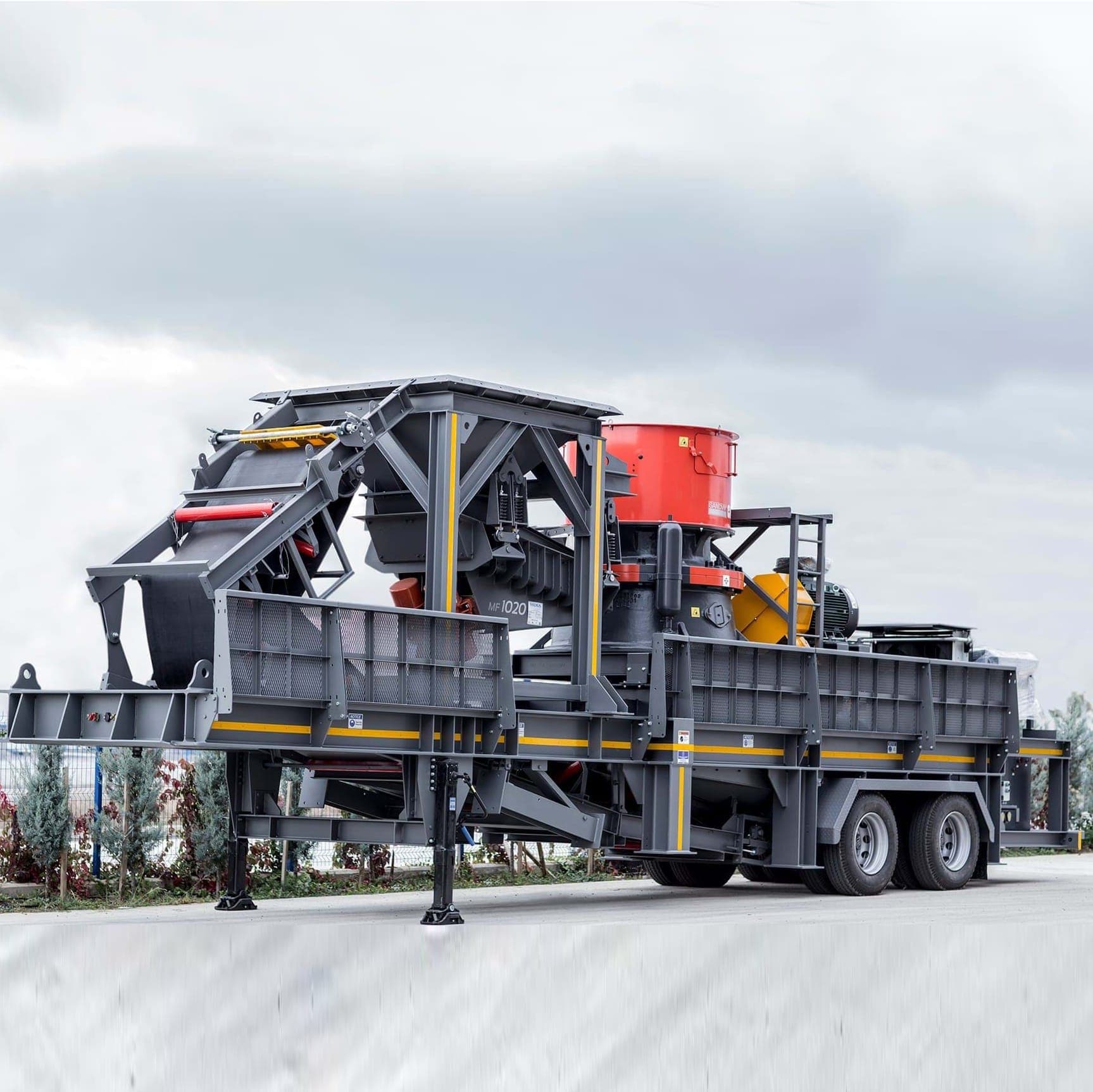
Actual crusher output depends on coordinated operation with the feeder, primary crusher and screen.
4. High crushing force and stable operation
A rigid support arrangement, suitable eccentric throw and correctly selected chamber transfer strong compressive force into hard rock. With centered, consistent chamber filling, interparticle crushing improves and power draw and liner wear become more stable. The word “hydraulic” alone does not guarantee a higher t/h figure.
5. Automatic monitoring and repeatable settings
The control system can monitor oil pressure and temperature, hydraulic pressure, motor current and protection signals. Interlocks stop the machine when conditions become unsafe, while operating records help identify changes early. Sensors do not replace maintenance; they provide better information for it.
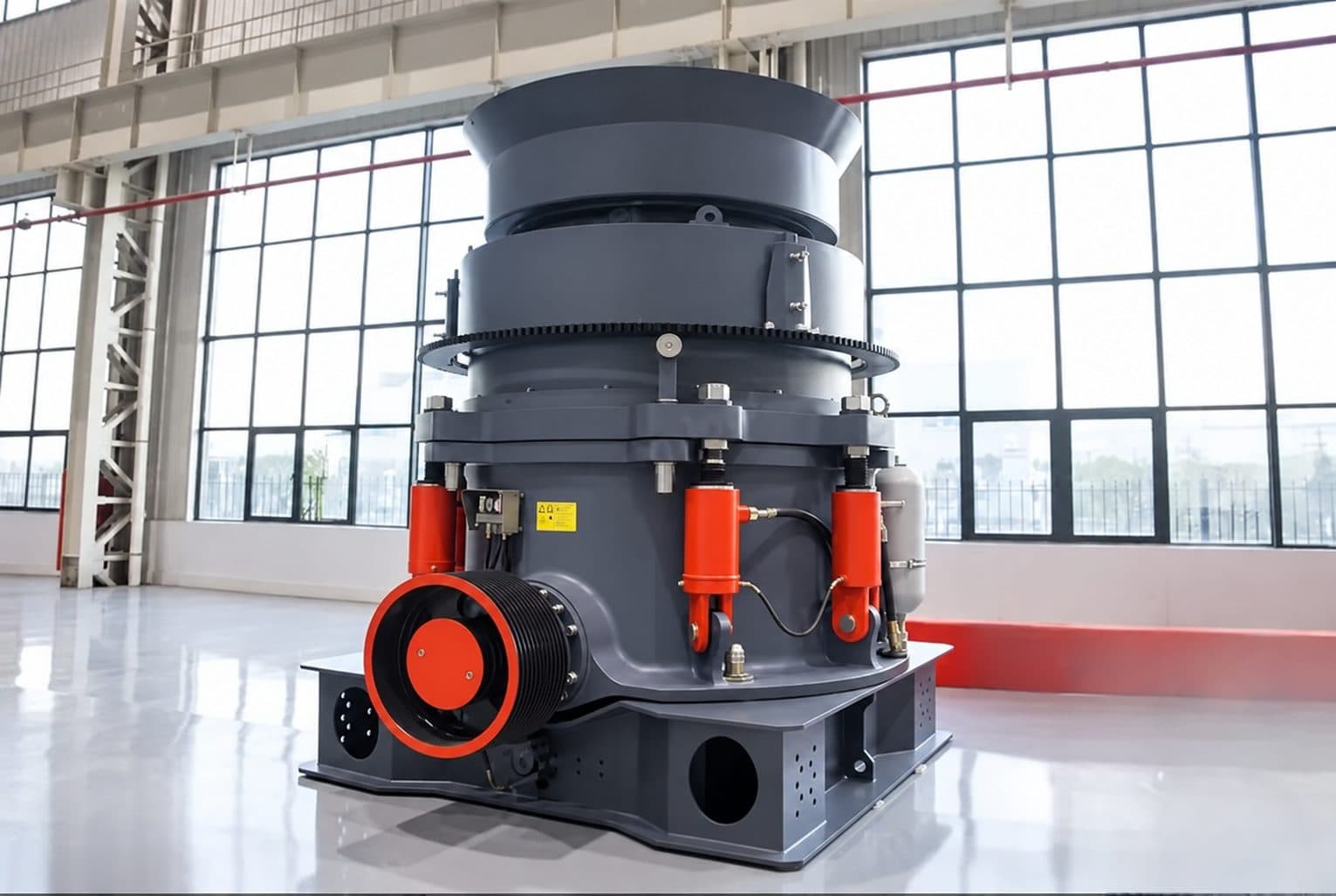
The control system delivers its full benefit only when lubrication, hydraulics and electrical protection are checked routinely.
6. Adaptability through different chamber and liner profiles
Extra-coarse, coarse, medium, fine and extra-fine chambers allow one crusher family to serve different duties. The correct profile must match maximum feed, CSS, capacity and required grading together. The wrong chamber can cause high current, uneven wear or poor throughput.
7. Better control of product grading and shape
A stable CSS, consistent chamber fill and closed-circuit screening help control the finished-product top size. Cubical shape is not created by the crusher name alone; rock properties, chamber, circulating load, feed distribution and a downstream VSI stage can all matter.
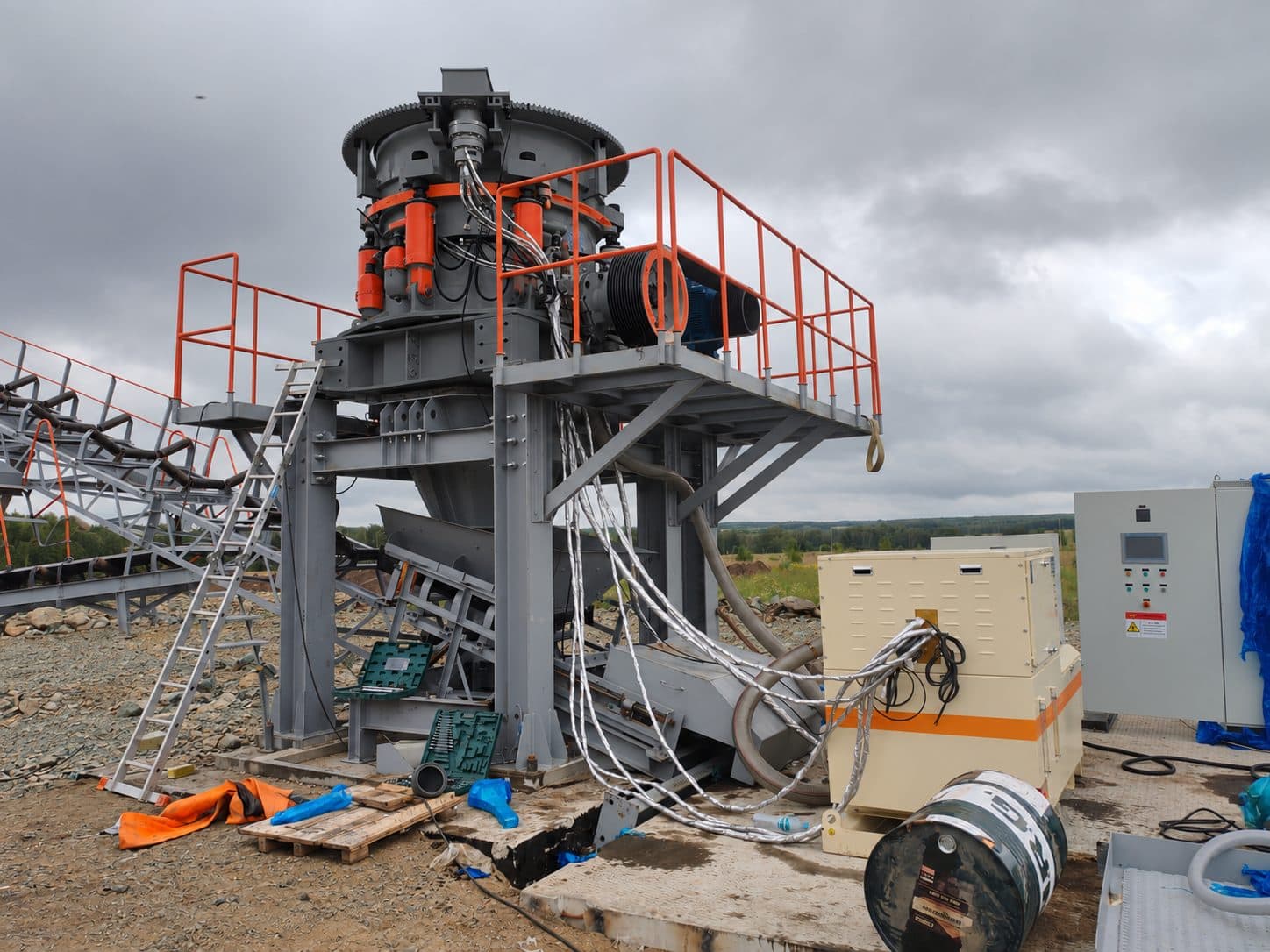
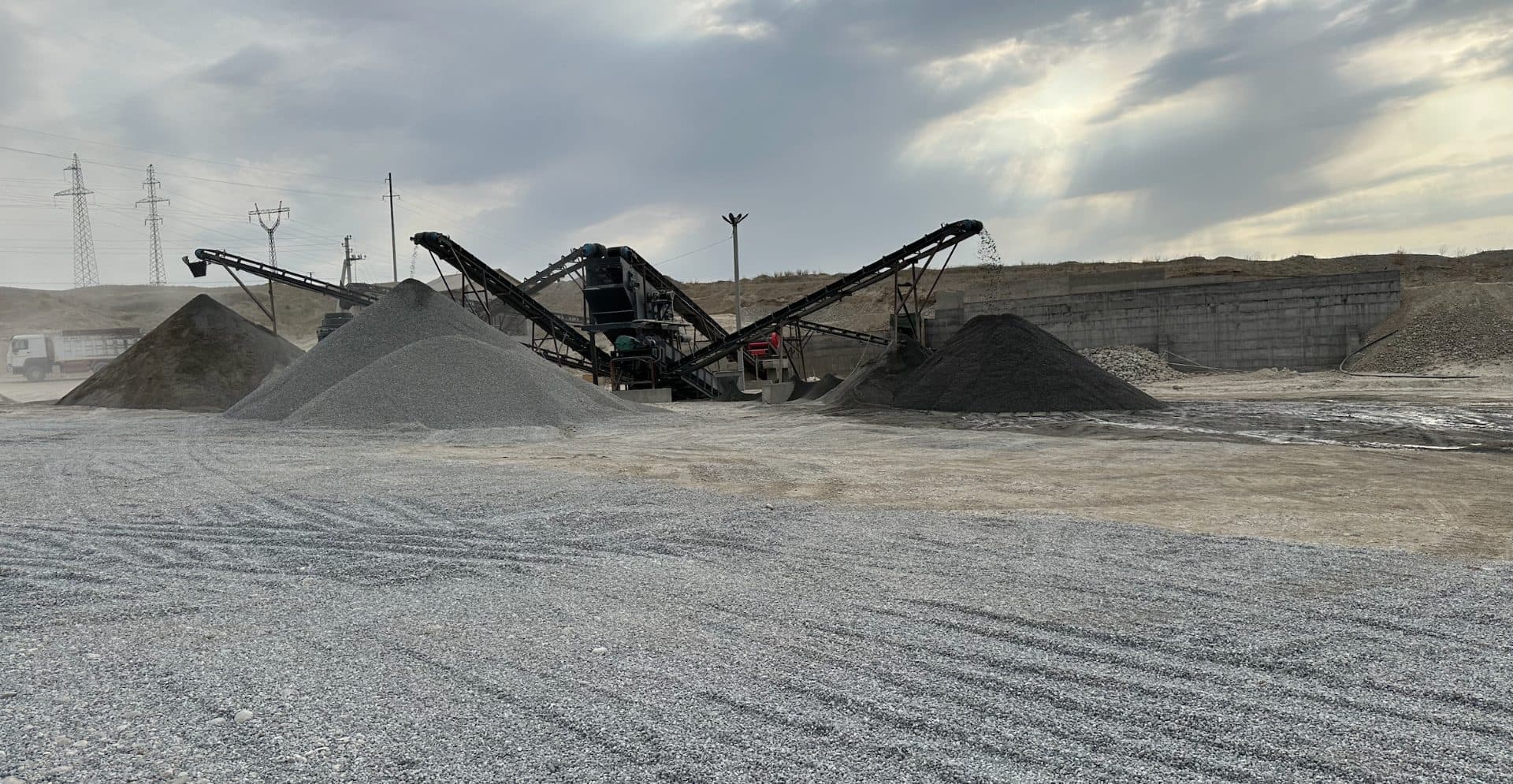
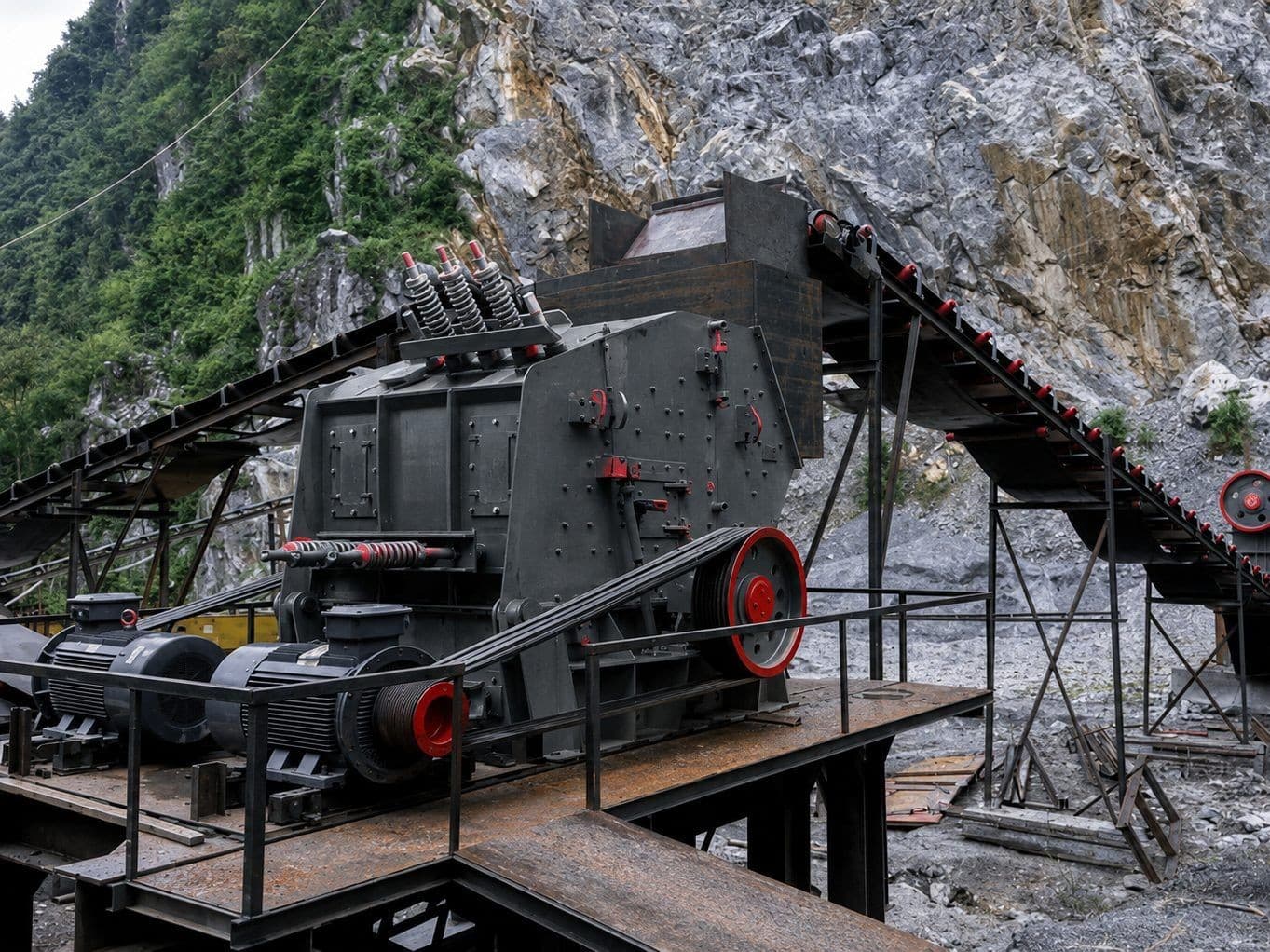
A sound installation leaves room for service access, even feed distribution and safe inspection.
Why is the HPT called a multi-cylinder crusher?
The Tanker HPT uses several hydraulic cylinders positioned around the frame. They work together in locking and protecting the upper assembly, while a separate adjustment mechanism controls the discharge setting. It should not be confused with a single-cylinder design, where one main cylinder changes the main-shaft position.
A single-cylinder crusher can be the right machine for another circuit, but the benefits and every machine image in this article specifically describe the Tanker HPT multi-cylinder range.
6 conditions needed to obtain these advantages
Control maximum feed: the largest lump must remain below the selected chamber’s practical receiving limit.
Center the feed: one-sided or segregated feed causes uneven liner wear.
Keep chamber filling stable: large flow swings destabilize load and product grading.
Remove metal upstream: magnets and detectors reduce impacts on the protection system.
Manage the oil: cleanliness, temperature, pressure and flow are critical for bushings and bearings.
Calculate the screen and return load: internal closed-circuit flow can be much higher than saleable product output.
When is a hydraulic cone not automatically the best choice?
Very large primary feed may first require a jaw or gyratory crusher. For soft, low-abrasion rock where a high reduction ratio or a particular shape is required, an impact crusher may be more economical. Wet, sticky and clay-rich material can pack the cone chamber, making pre-washing, screening or another process necessary.
What information does Tanker need for model selection?
material type, compressive strength and abrasiveness;
maximum lump and complete feed-size distribution;
required t/h and every saleable product fraction;
moisture, clay and fines content;
open or closed circuit, screen and circulating load;
operating hours, available power and maintenance capability.
Frequently asked questions
Does the hydraulic system provide the main crushing power?
Usually not. The motor and mechanical drive provide the main rotation. Hydraulics perform adjustment, protection, locking or chamber-clearing functions.
What does CSS mean?
CSS is the closed-side setting: the minimum gap between the mantle and concave during the crushing cycle. It strongly influences product top size and circulating load.
Can the setting be changed while the crusher is running?
It depends on the model and control logic. Some systems permit adjustment under load; others require the feed or machine to stop. Follow the manual for the exact model.
Does a hydraulic cone always produce more than a spring cone?
No. A hydraulic design can provide faster adjustment and stronger control, but actual capacity depends on chamber, CSS, rock, feed conditions and screening.
Which materials are suitable?
Granite, basalt, diabase, river stone, quartzite and many medium-hard to hard ores are typical. Final selection should be checked against laboratory data and the required product.
Conclusion
The real value of the HPT multi-cylinder cone crusher is the combined effect of accurate setting control, stable upper-assembly locking, overload protection, chamber clearing and monitoring. The best result comes from the correct chamber, stable feed, suitable screening and disciplined lubrication. Tanker selects the HPT model as part of the complete crushing circuit.