
Ohaktosh
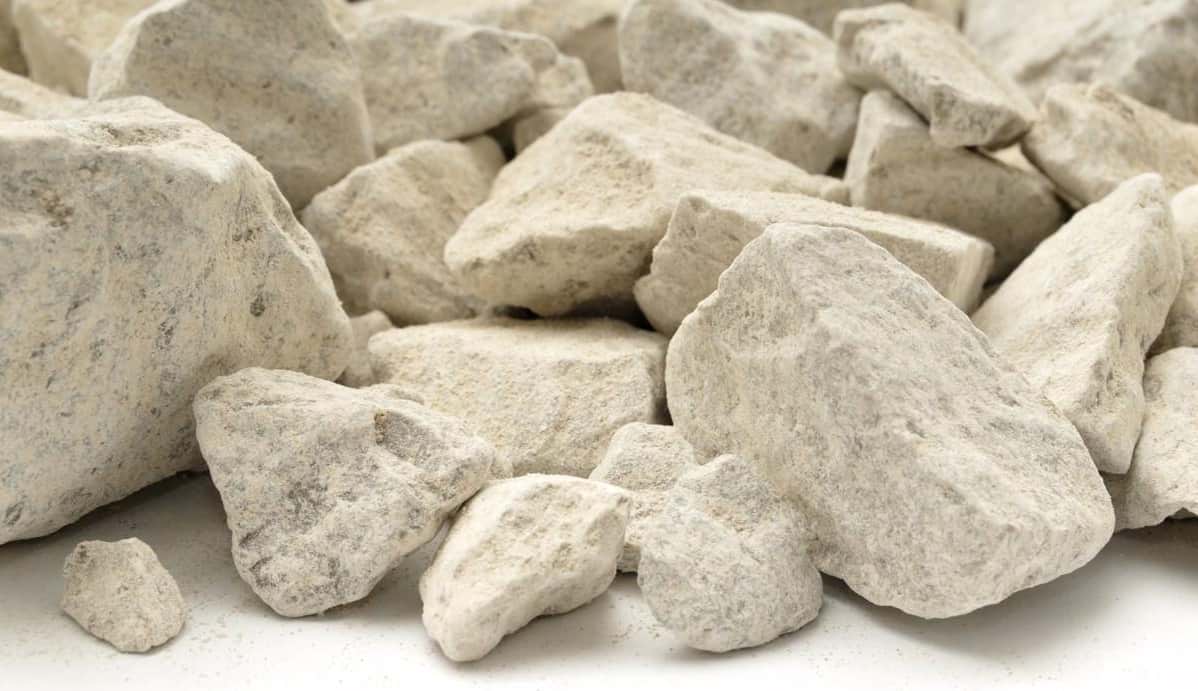
About limestone
Limestone is a sedimentary rock composed mainly of calcium carbonate. It is widely processed into concrete and asphalt aggregate, road-base material, cement and lime feedstock, and fine mineral powder.
Limestone is generally easier to crush than granite or basalt, so an impact crusher can provide a high reduction ratio and a well-shaped product. However, hardness, silica content, moisture and clay vary by deposit. Final equipment selection must be based on a sample analysis and the required products.
Recommended aggregate process
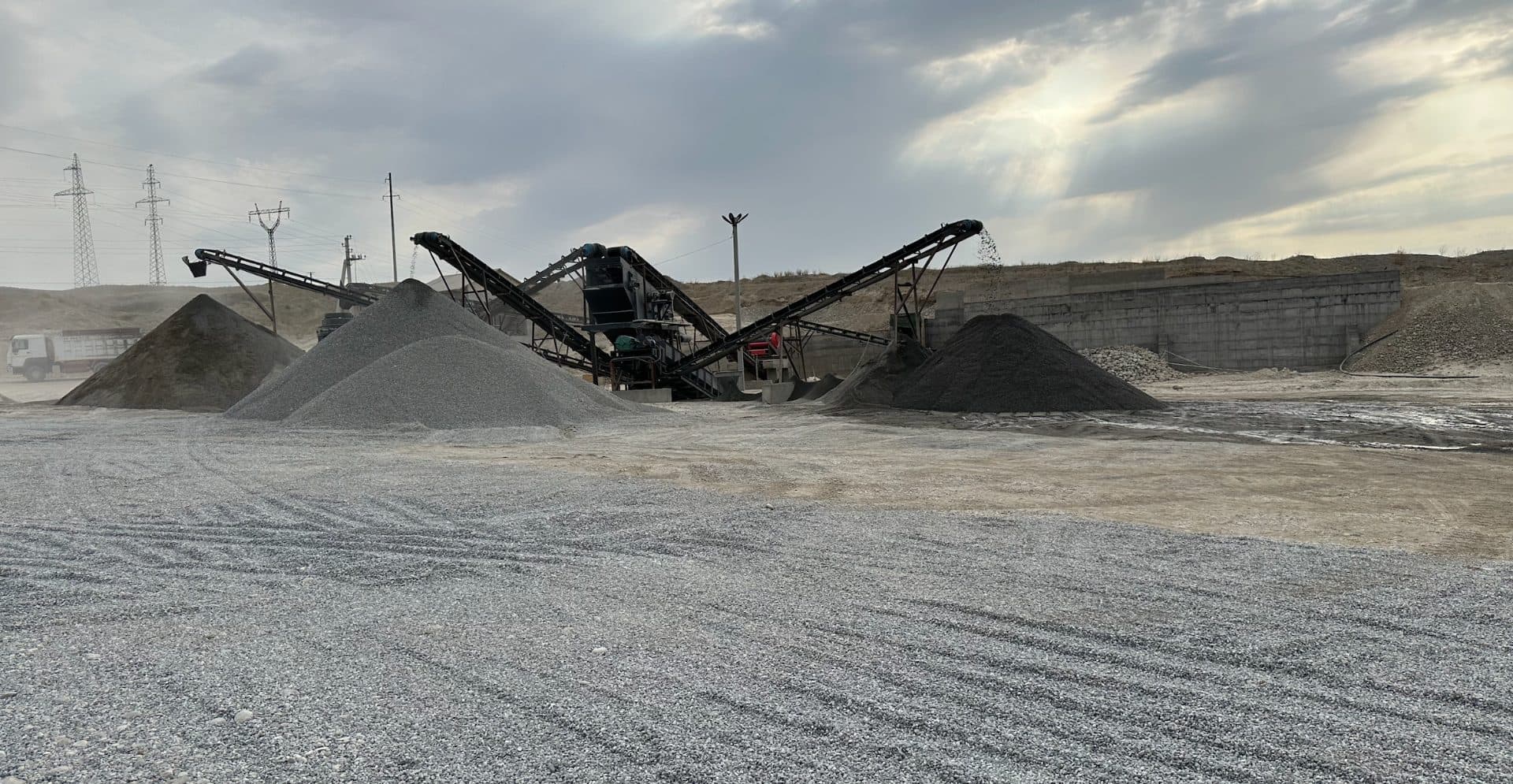
Vibrating feeder → Jaw crusher → Impact crusher → Vibrating screen → Finished fractions
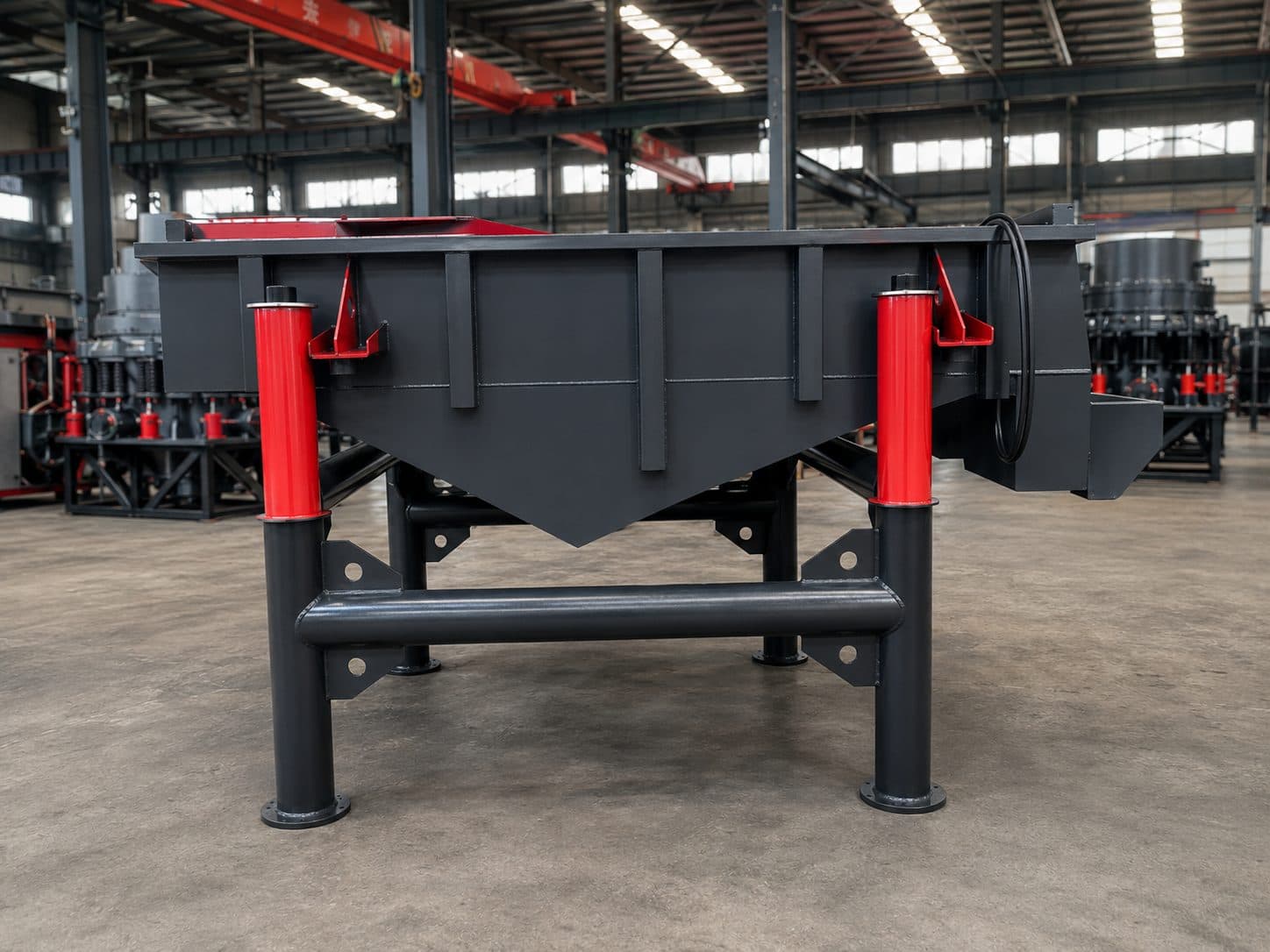
The feeder supplies material steadily and can remove fine contamination before crushing. The jaw crusher handles large feed, the impact crusher performs secondary reduction, and the screen separates the required fractions. Oversize material returns to the impact crusher in a closed circuit.
Limestone-powder process
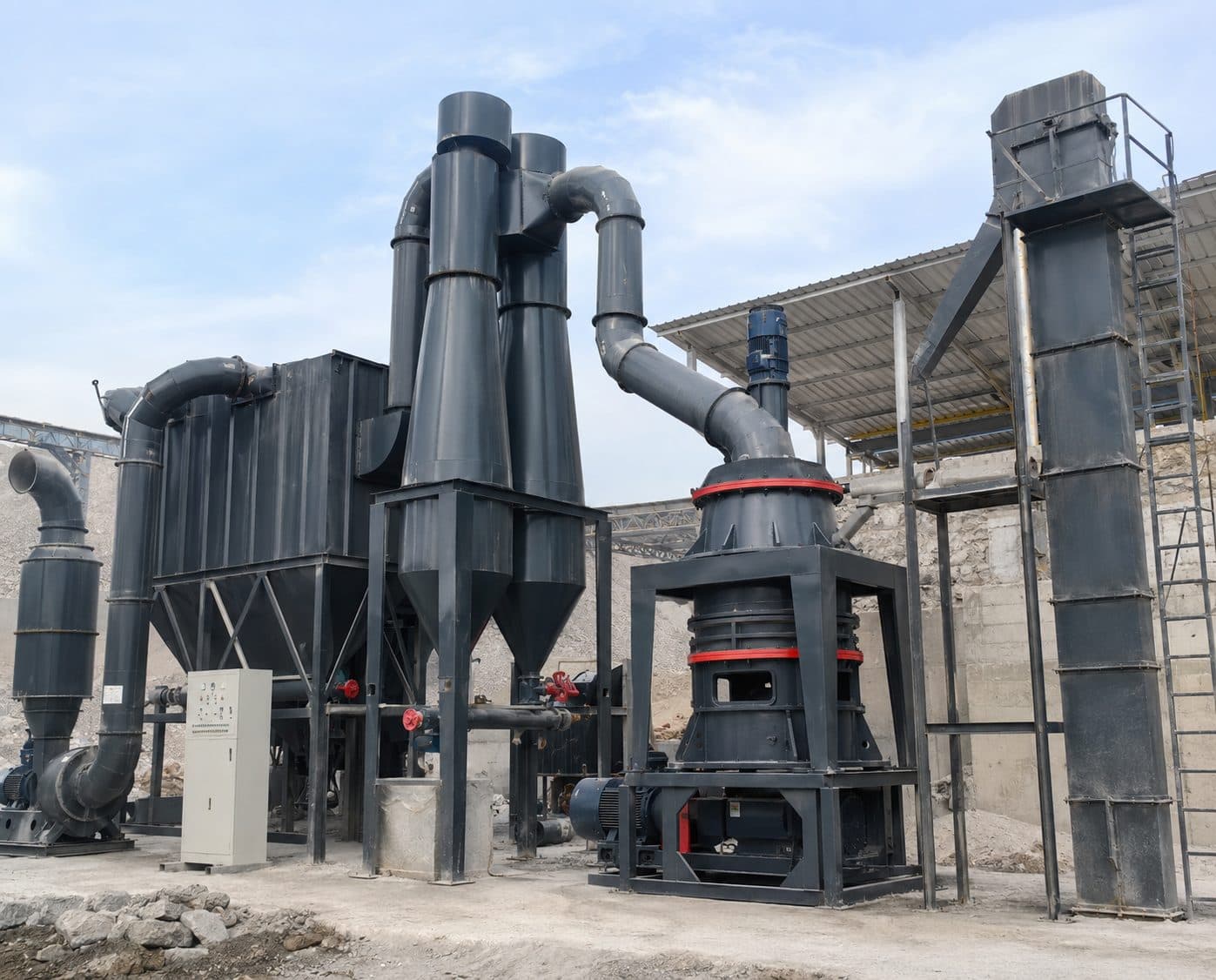
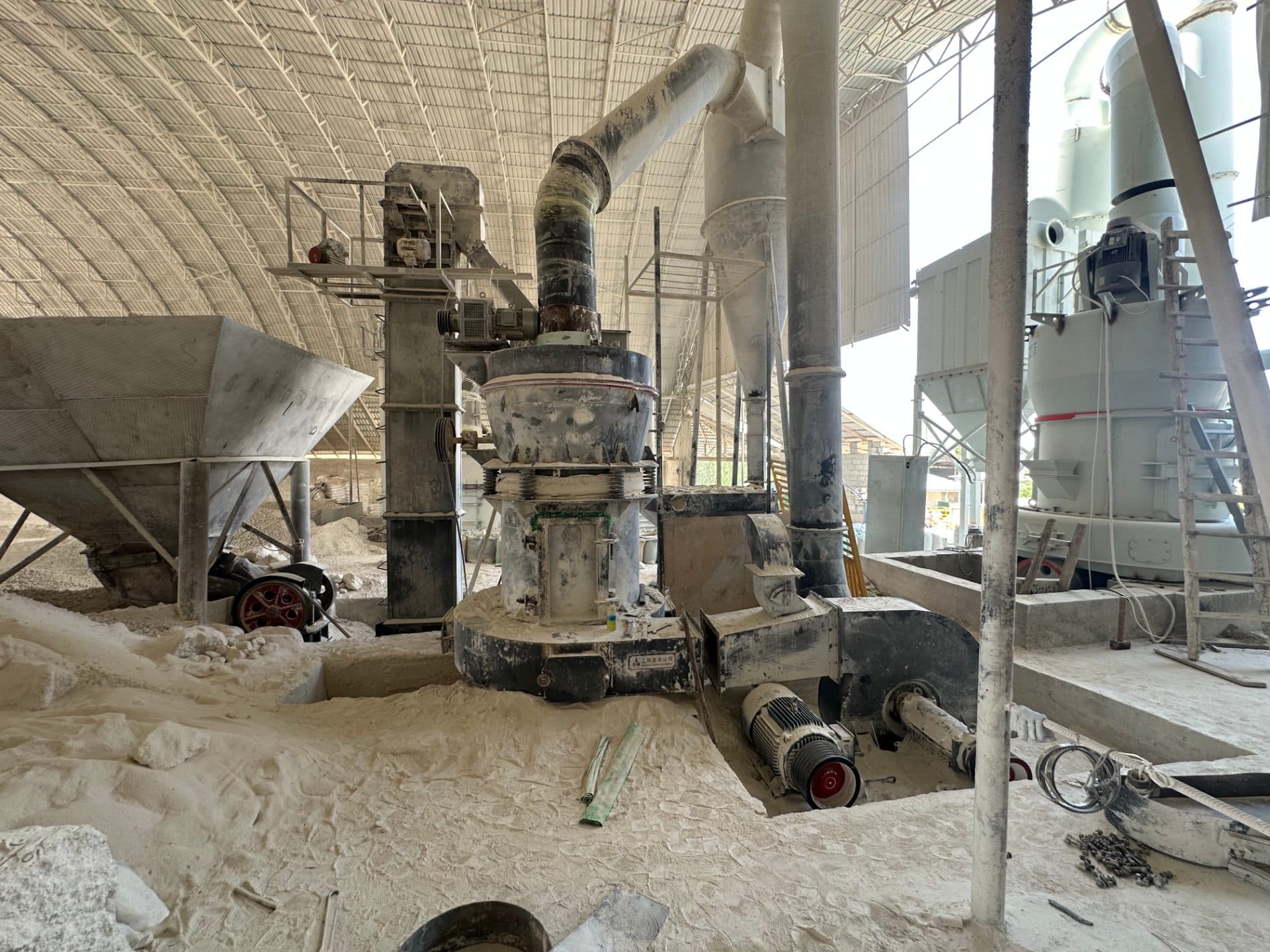
Primary crushing → Storage bin → Feeder → Raymond mill → Classification → Powder collection
The mill and classifier are selected according to the required fineness and the chemical composition of the limestone.
Recommended equipment
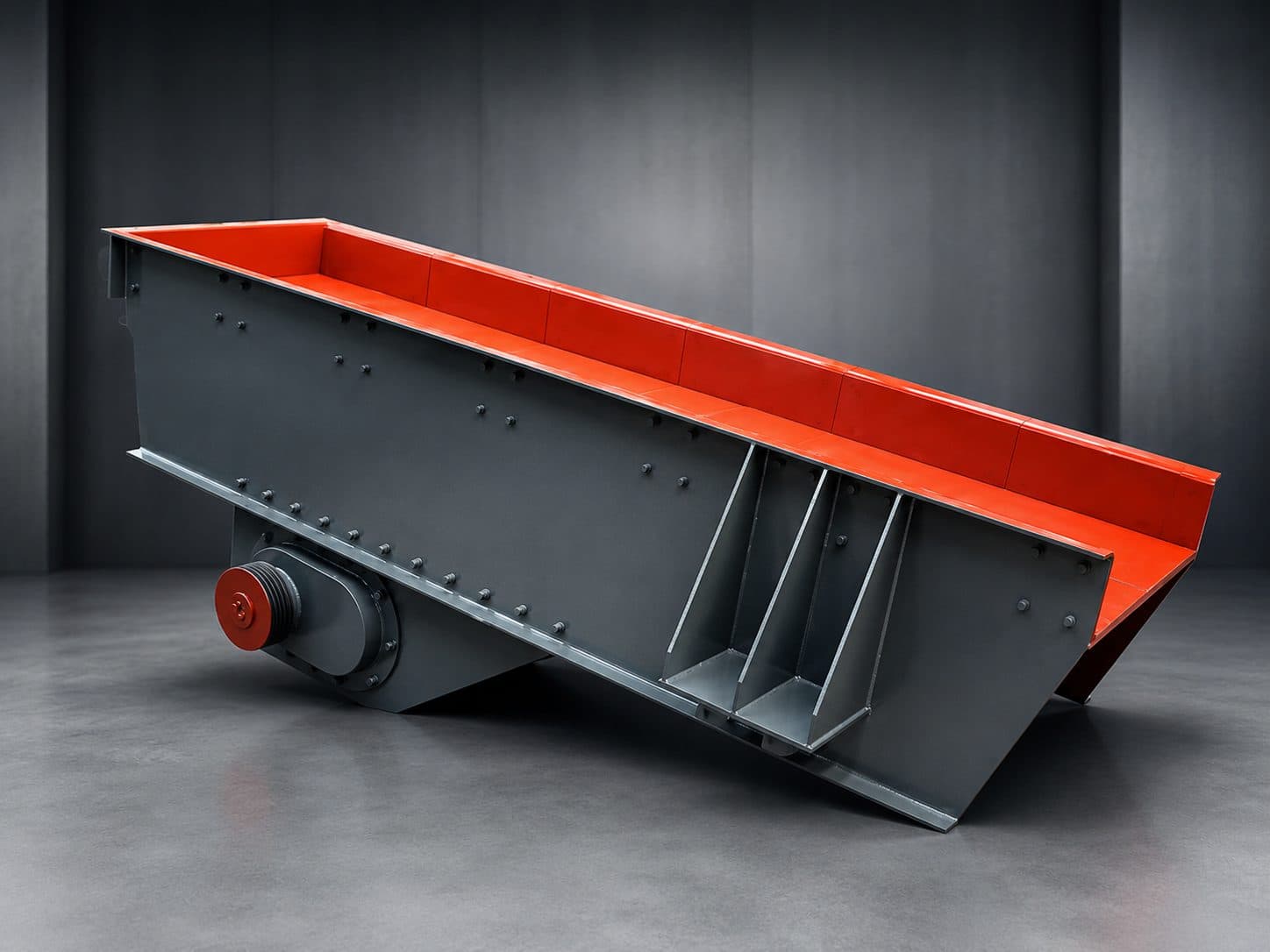
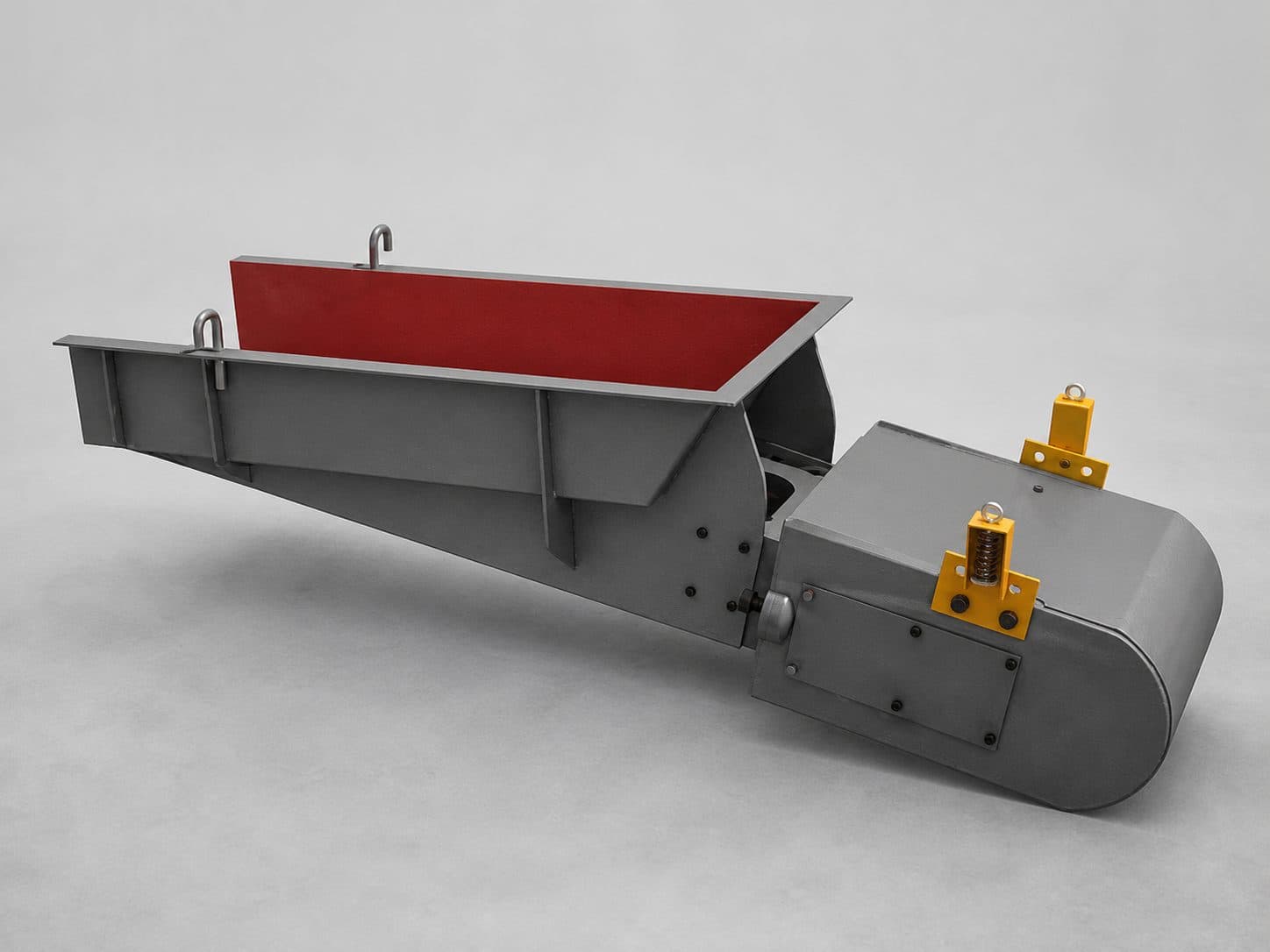
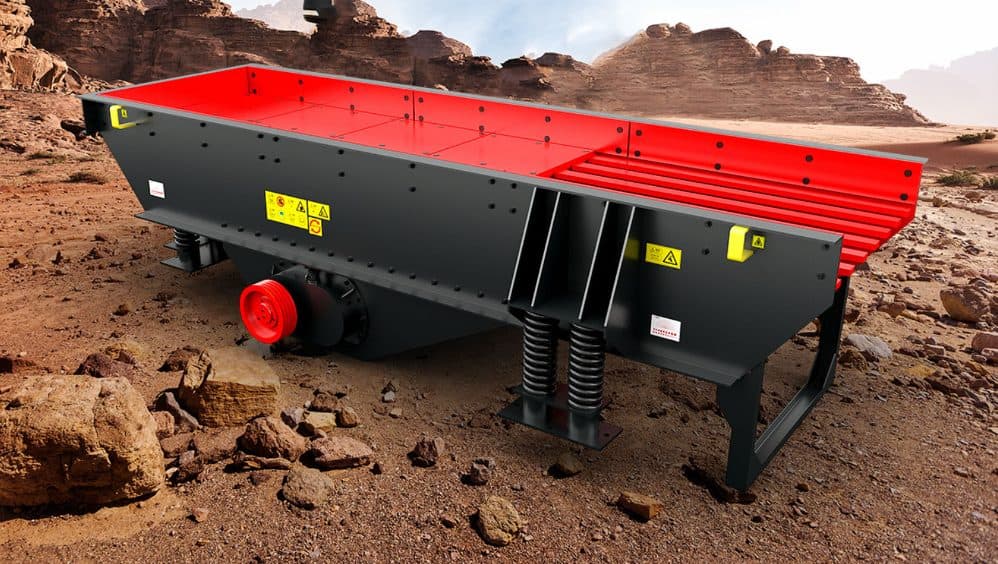
Vibrating feeder — controlled feeding and preliminary separation
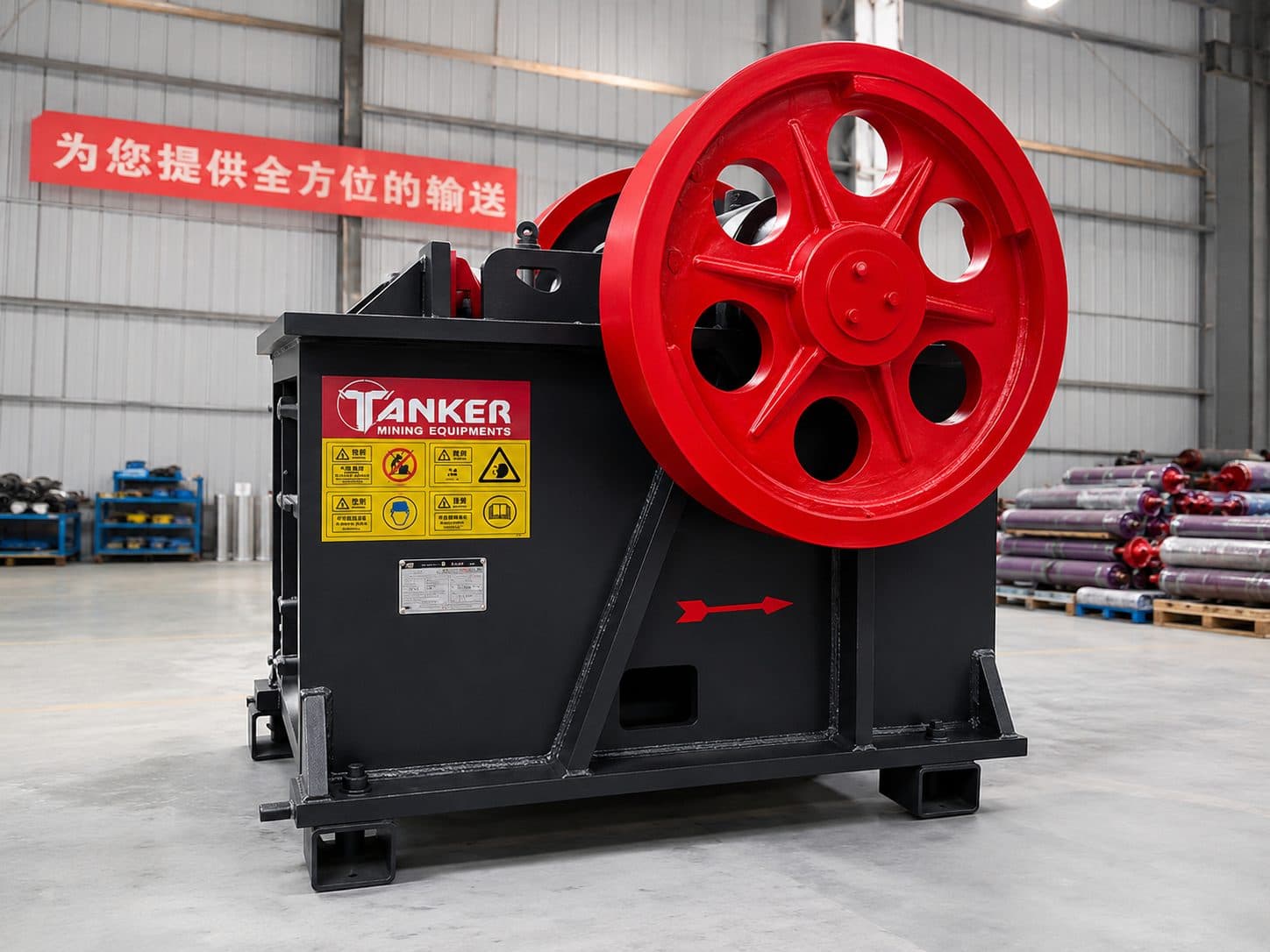
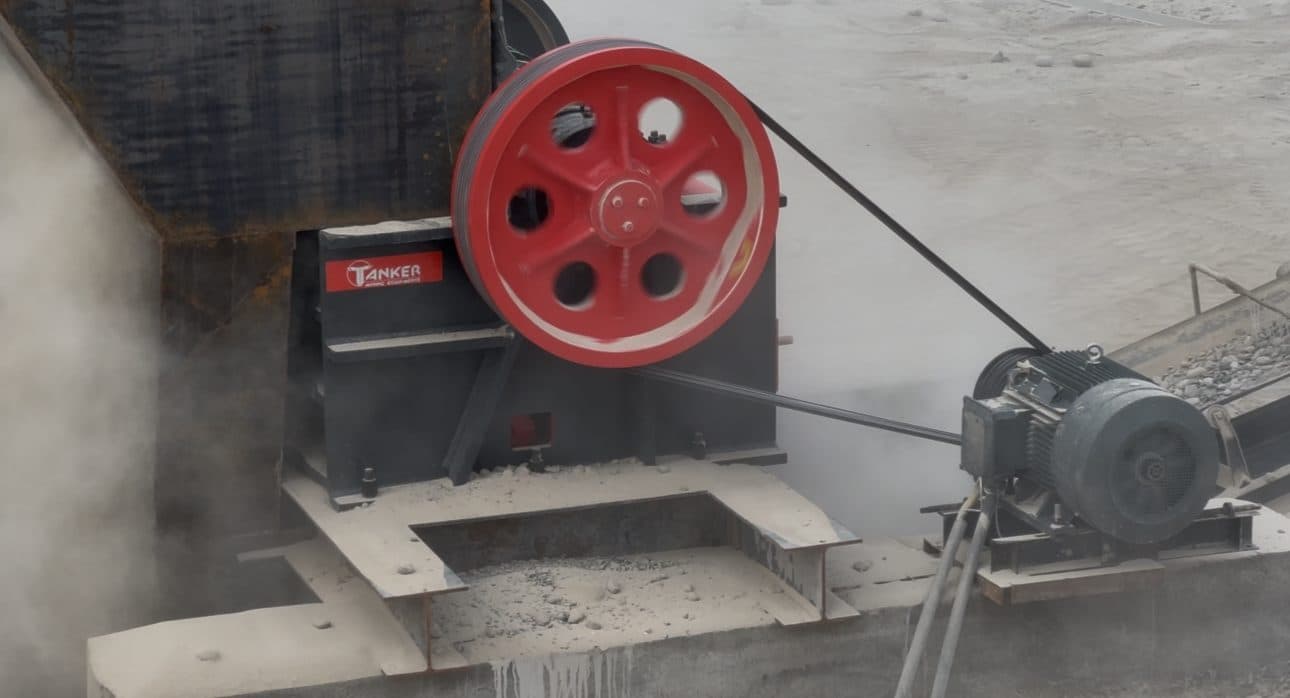
Jaw crusher — primary crushing
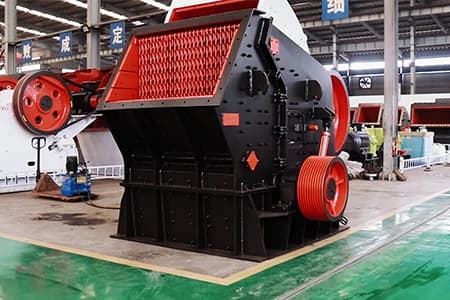
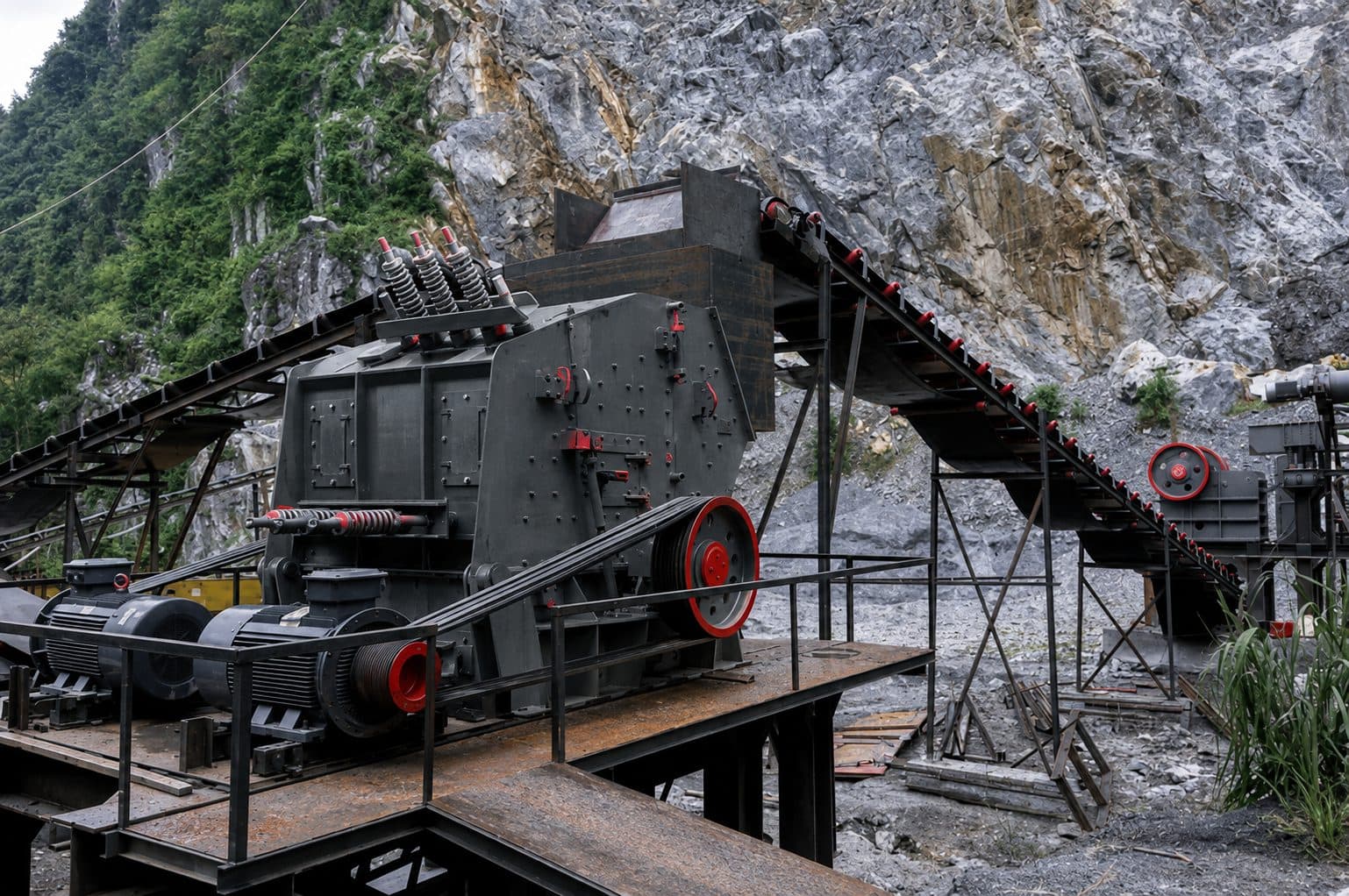
Impact crusher — secondary crushing and particle shaping
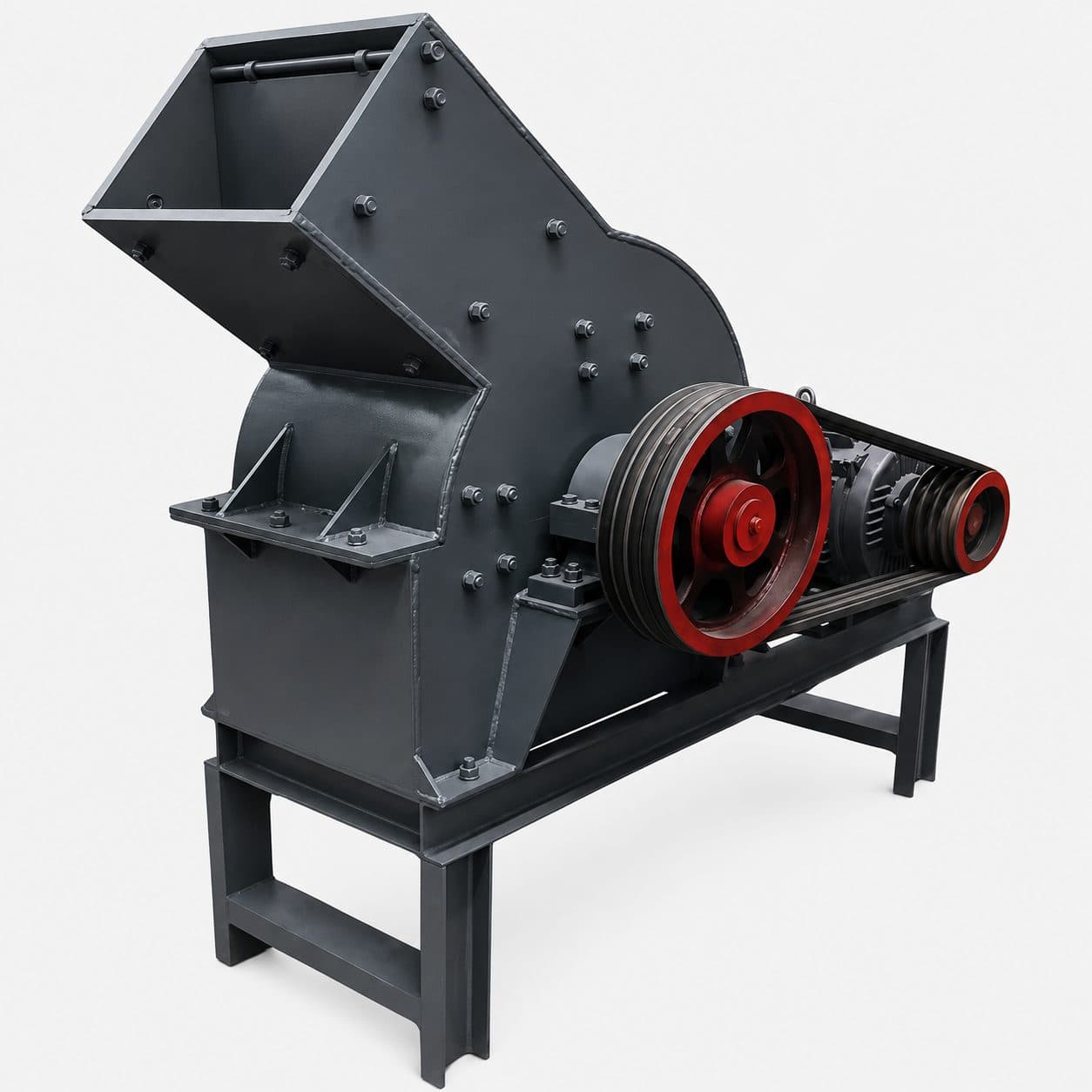
Hammer crusher — simplified single-stage processing where conditions allow
VSI crusher — manufactured sand and improved aggregate shape
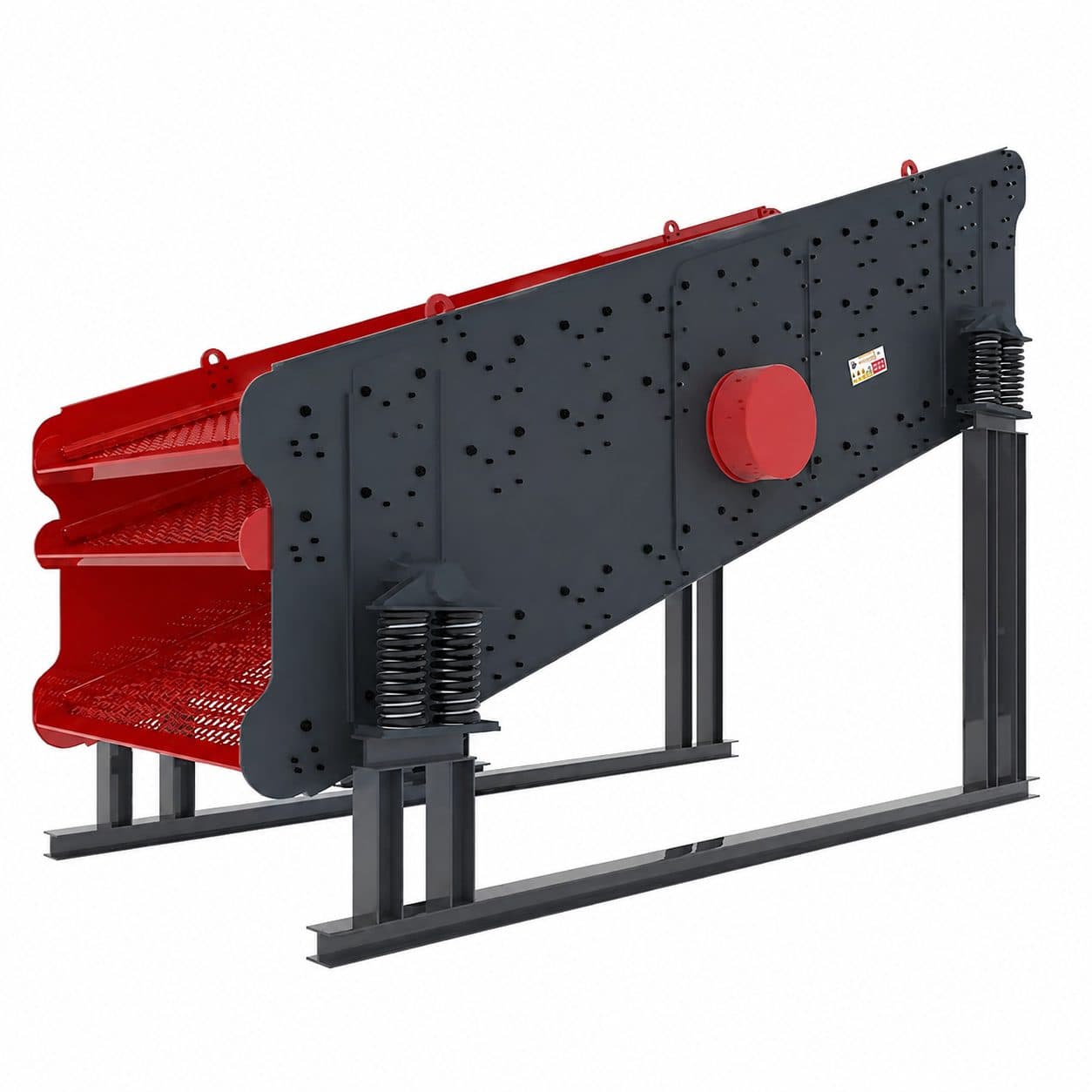
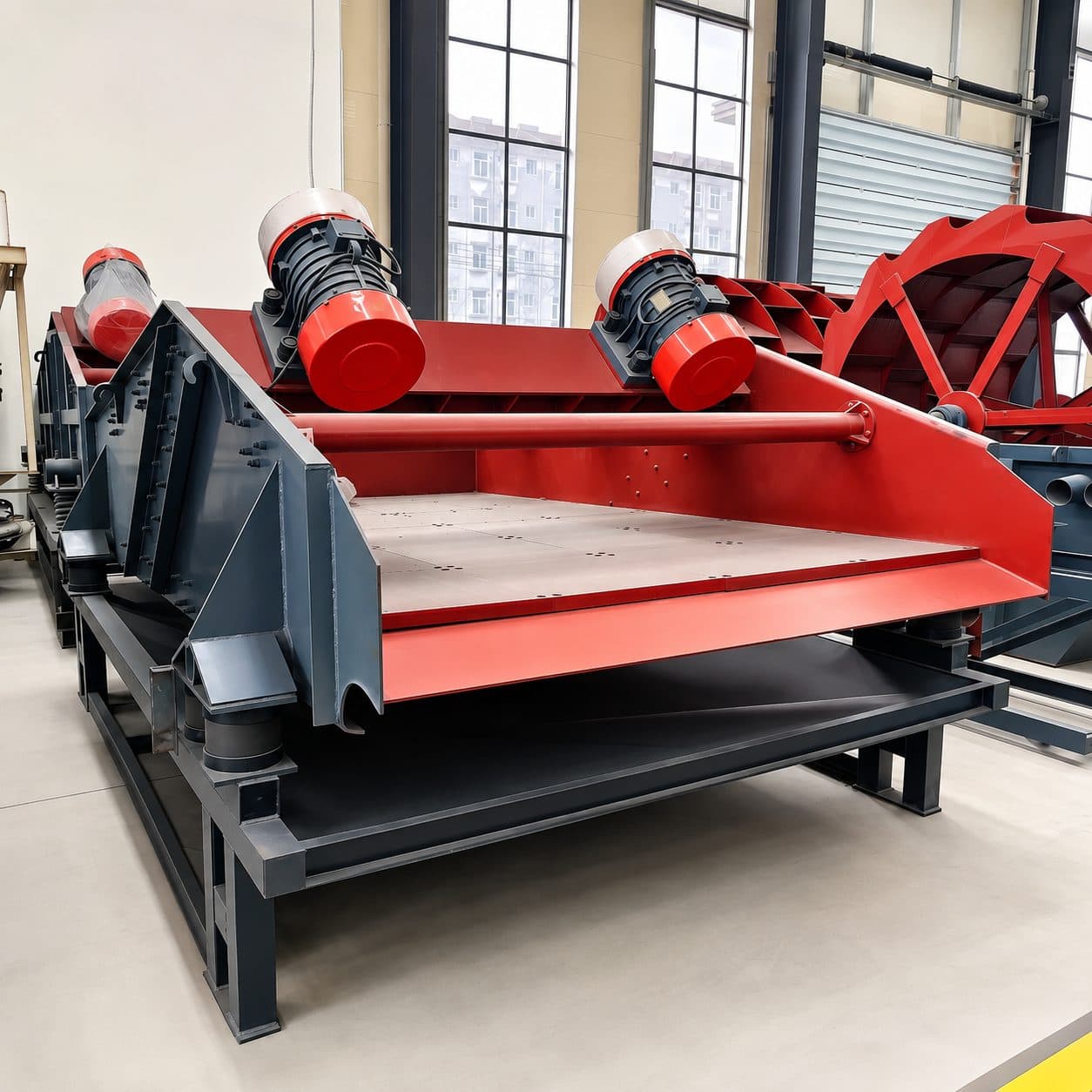
Vibrating screen — separation into finished sizes
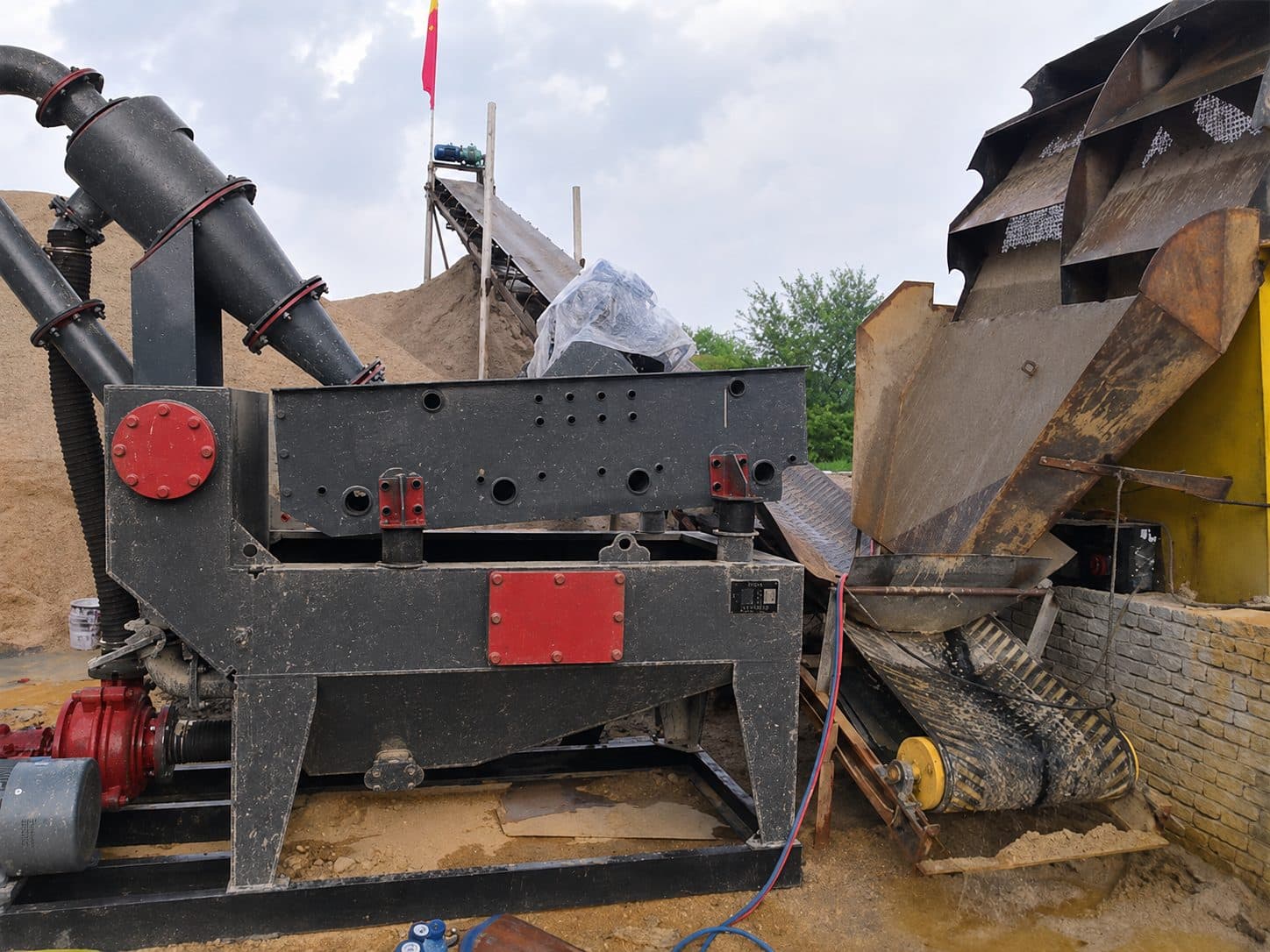
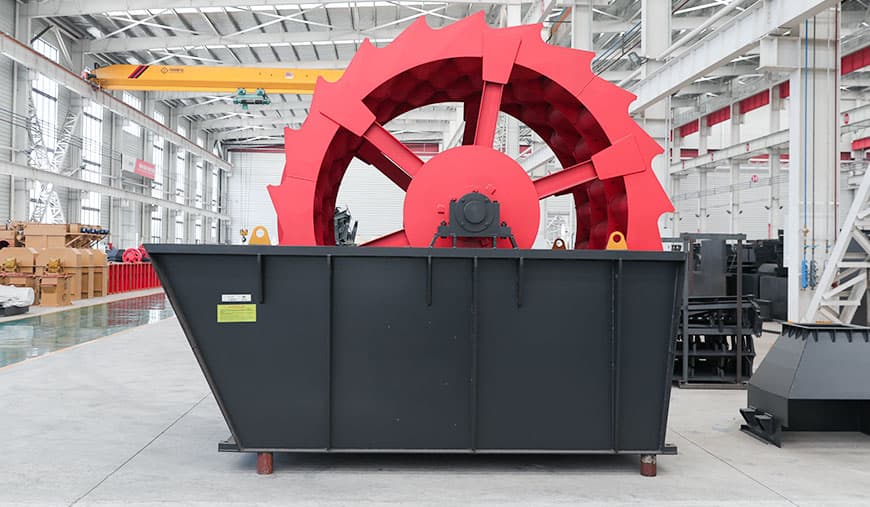
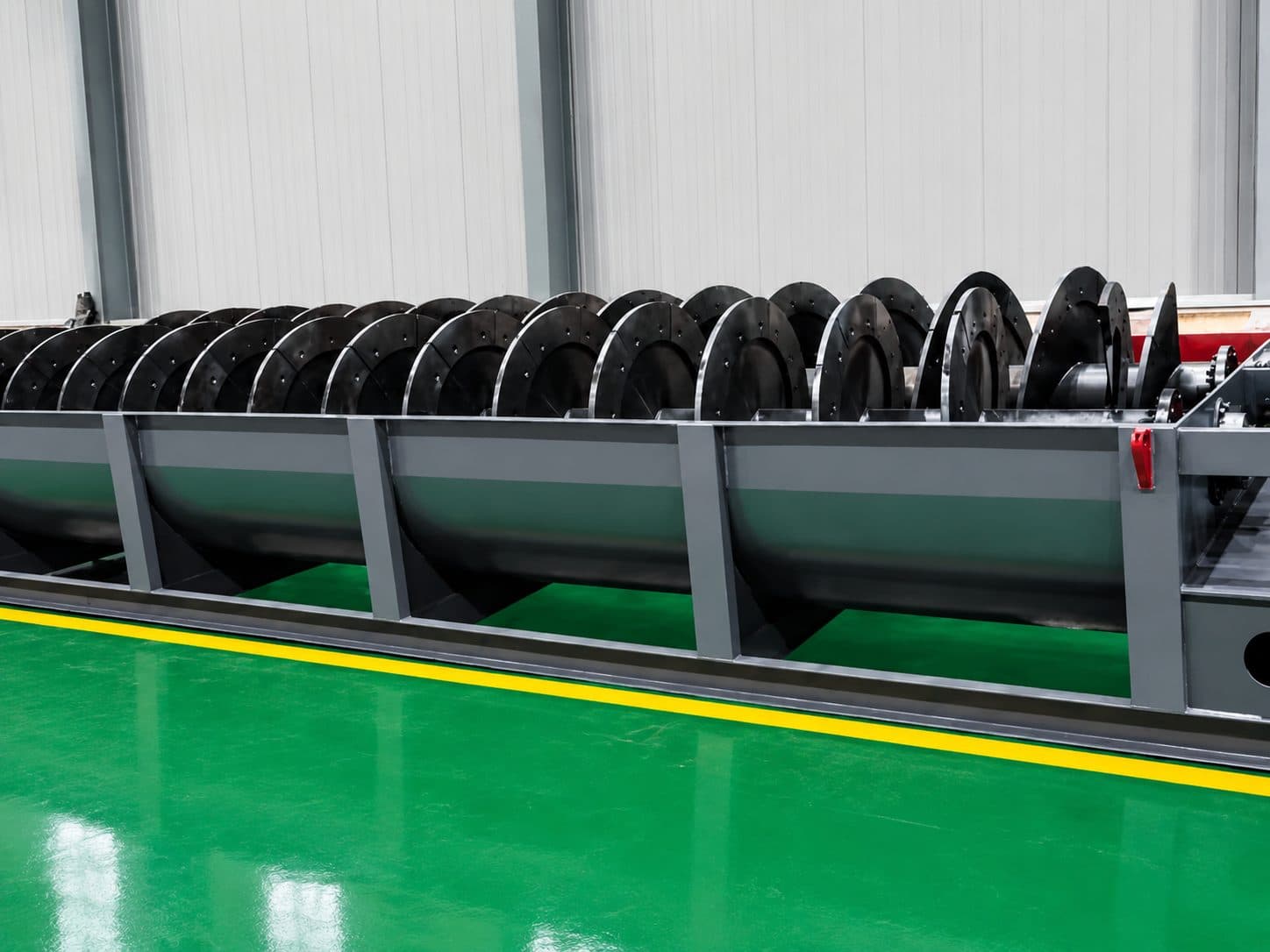
Sand washer — reduction of clay and excess fines
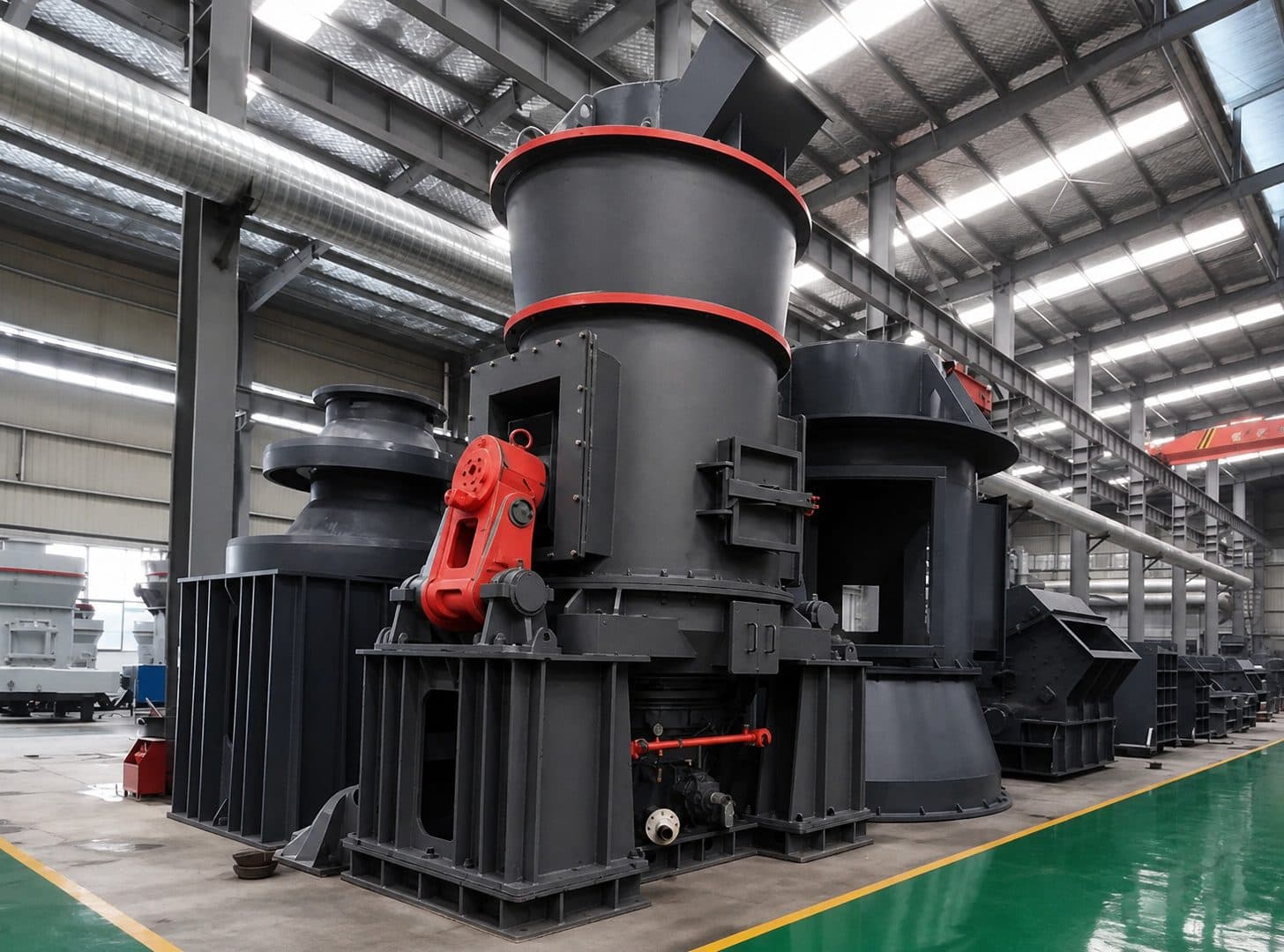
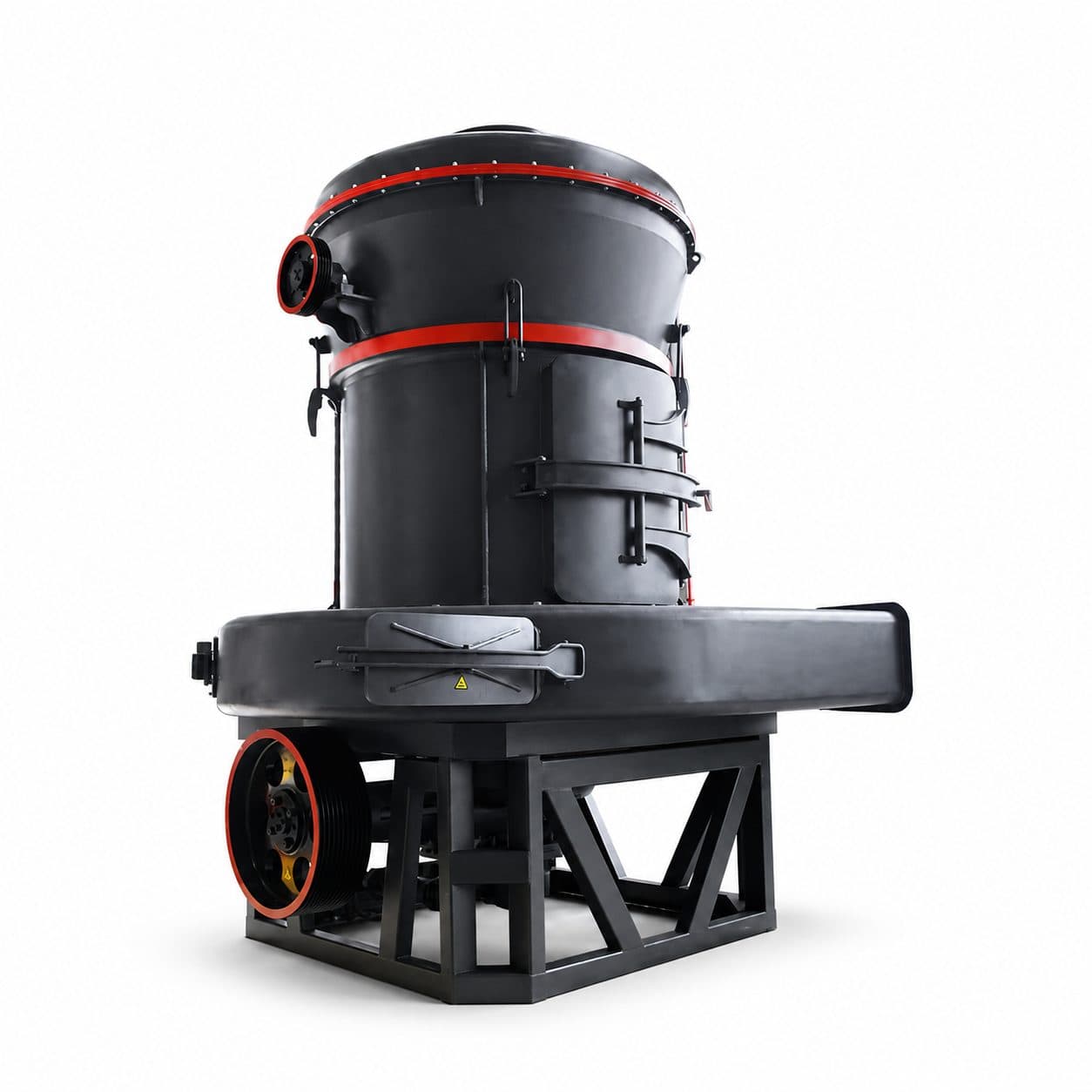
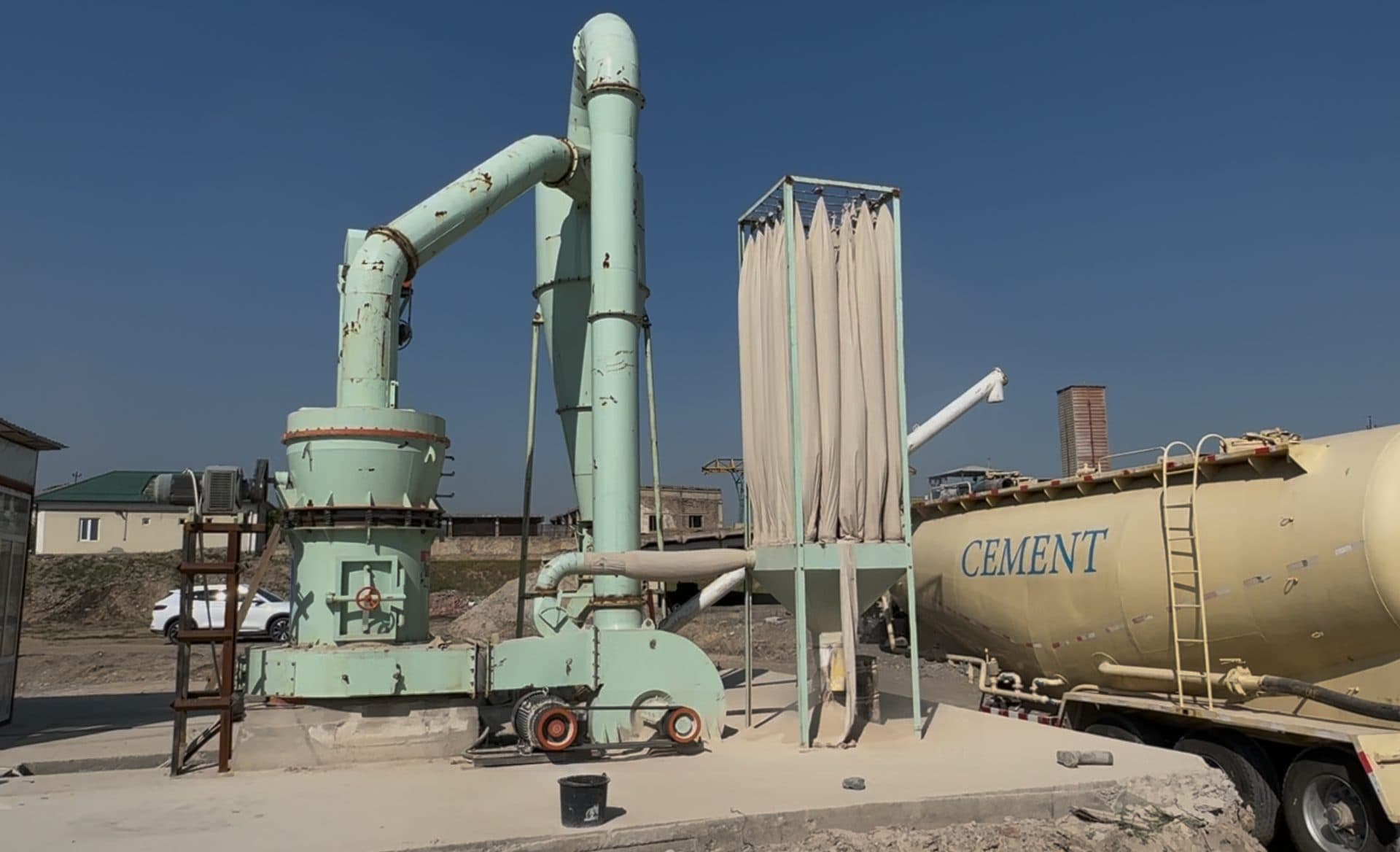
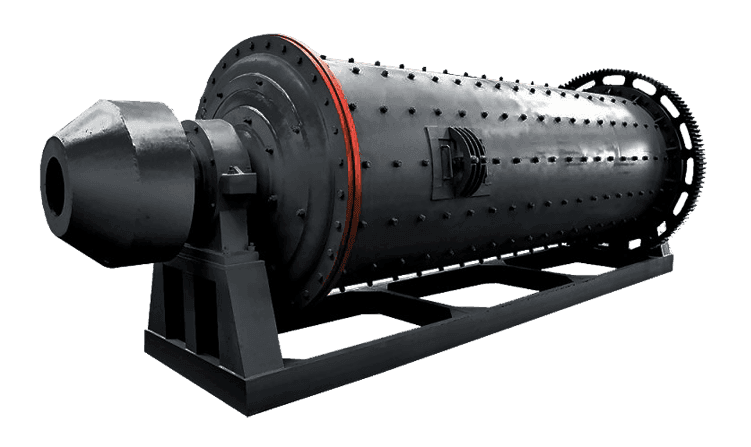
Raymond mill — limestone-powder production
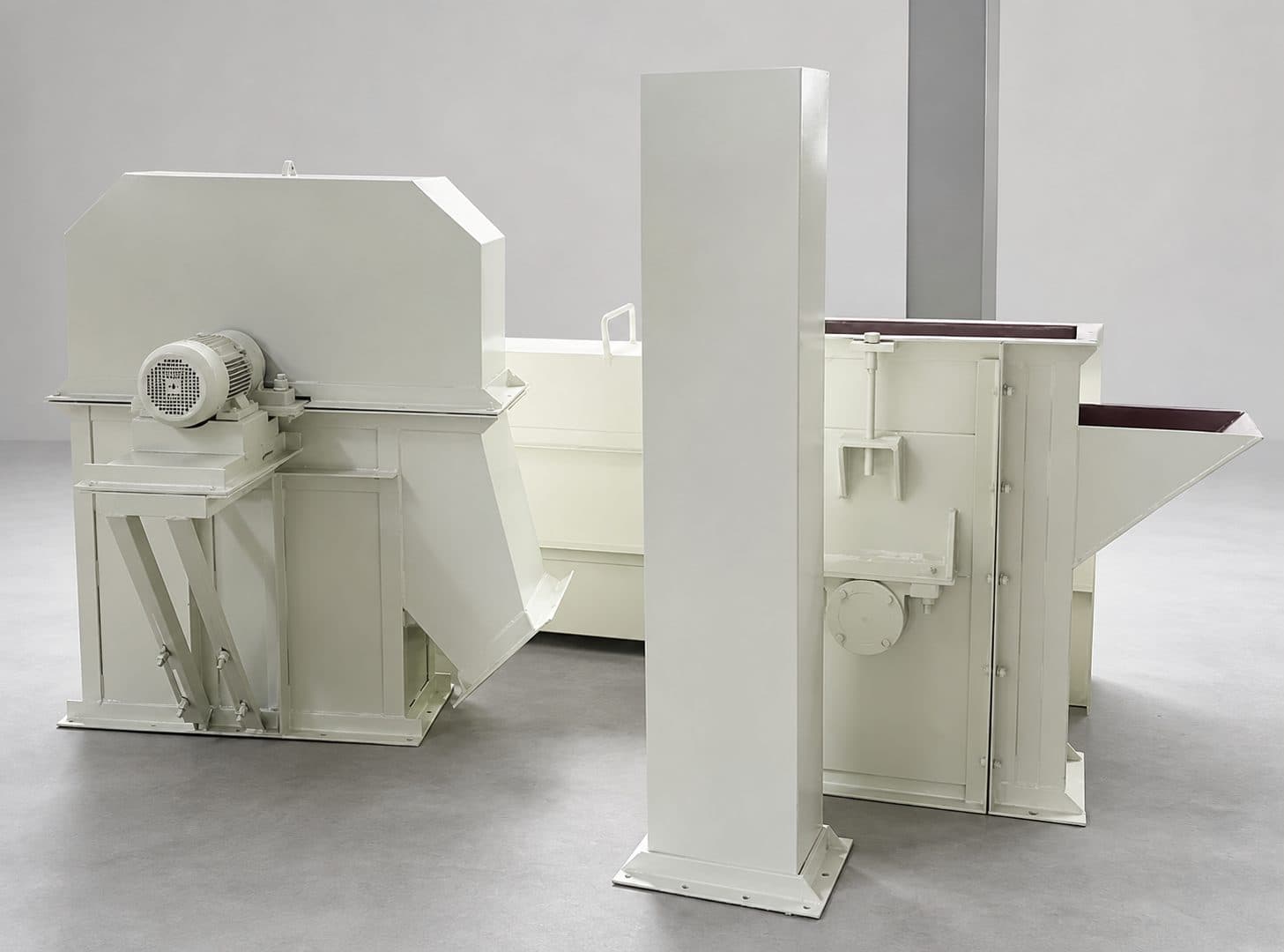
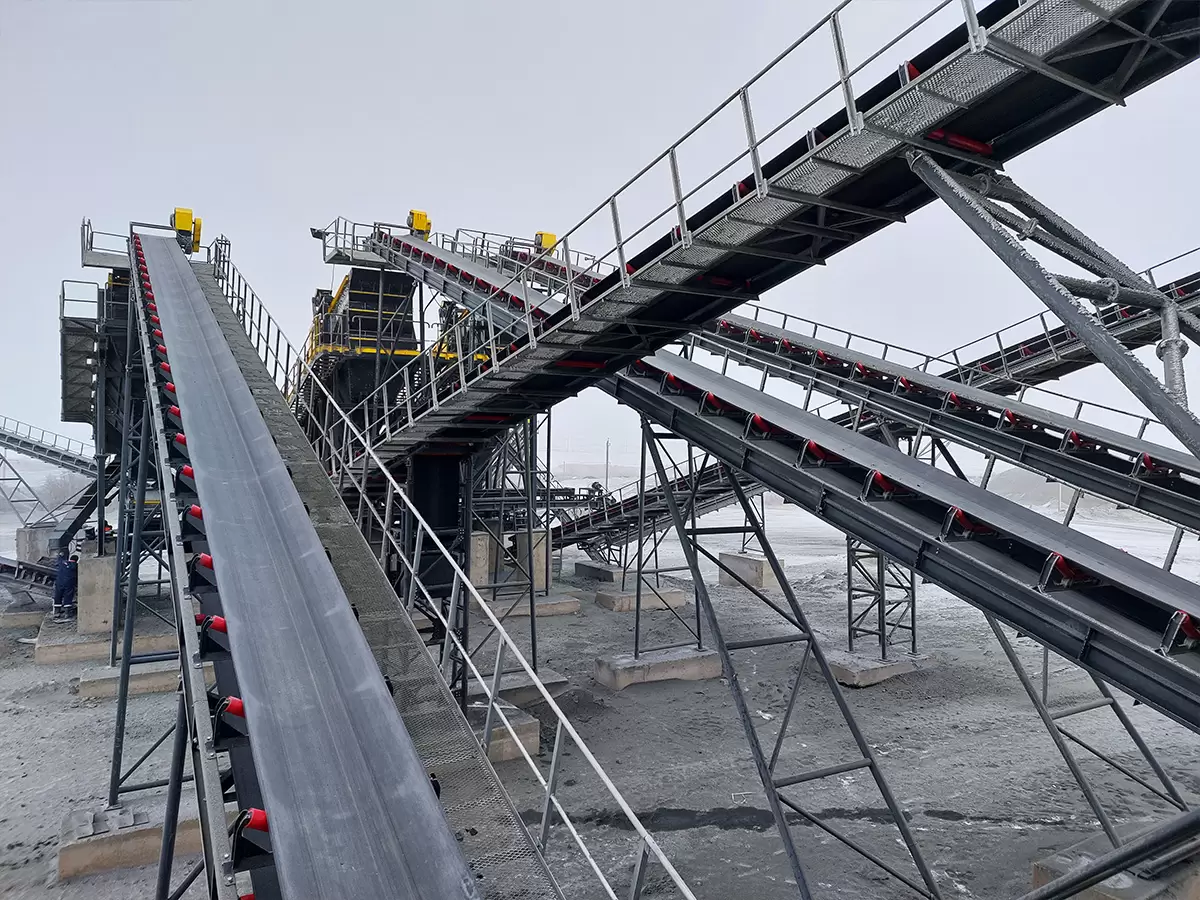
Belt conveyors — continuous transfer between machines
Typical products
0–5 mm — manufactured sand and fine material
5–10 mm — fine concrete and asphalt aggregate
10–20 mm — concrete, asphalt and precast products
20–40 mm — road base and general construction
Mineral powder — cement, lime and other industrial uses
Important selection factors
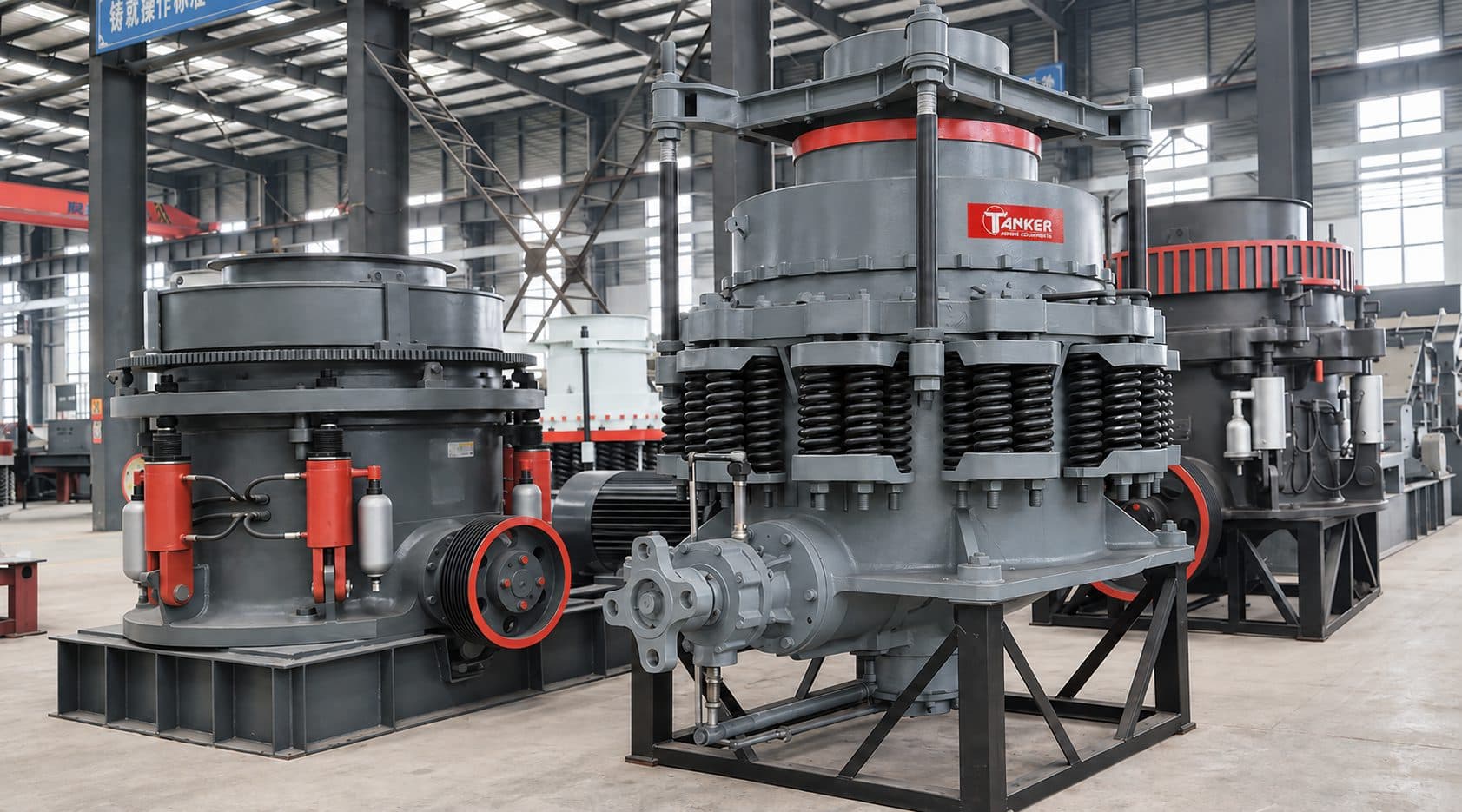
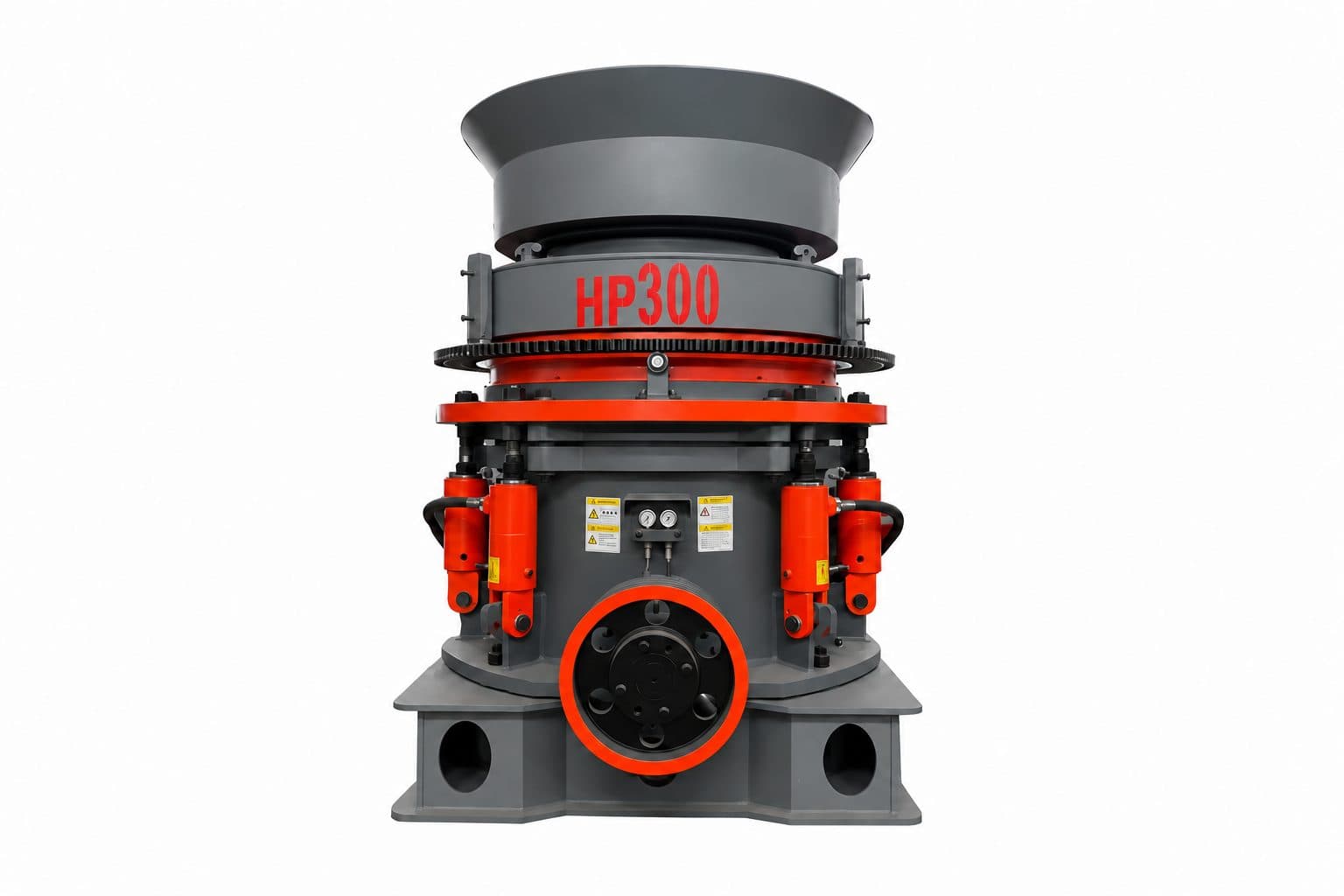
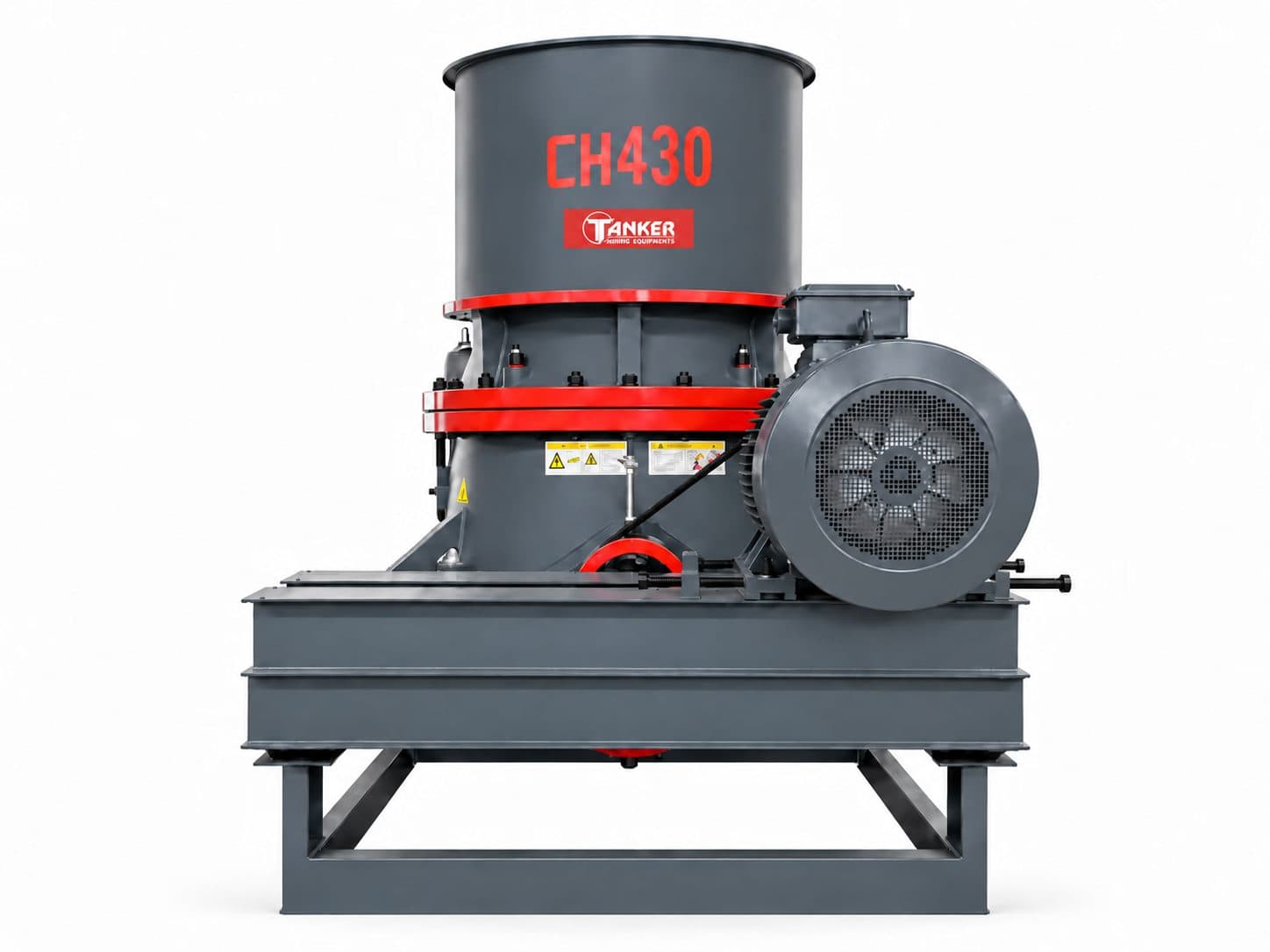
Confirm hardness and silica content, maximum feed size, moisture and clay content, required hourly capacity, finished fractions, dry or wet processing, chemical requirements and dust-control rules. High-silica or unusually hard limestone may make a cone crusher more economical than an impact crusher.
Request a project solution
Send us the required capacity, maximum feed size, finished fractions, moisture level and project location. Tanker will prepare a suitable process flow and equipment configuration.
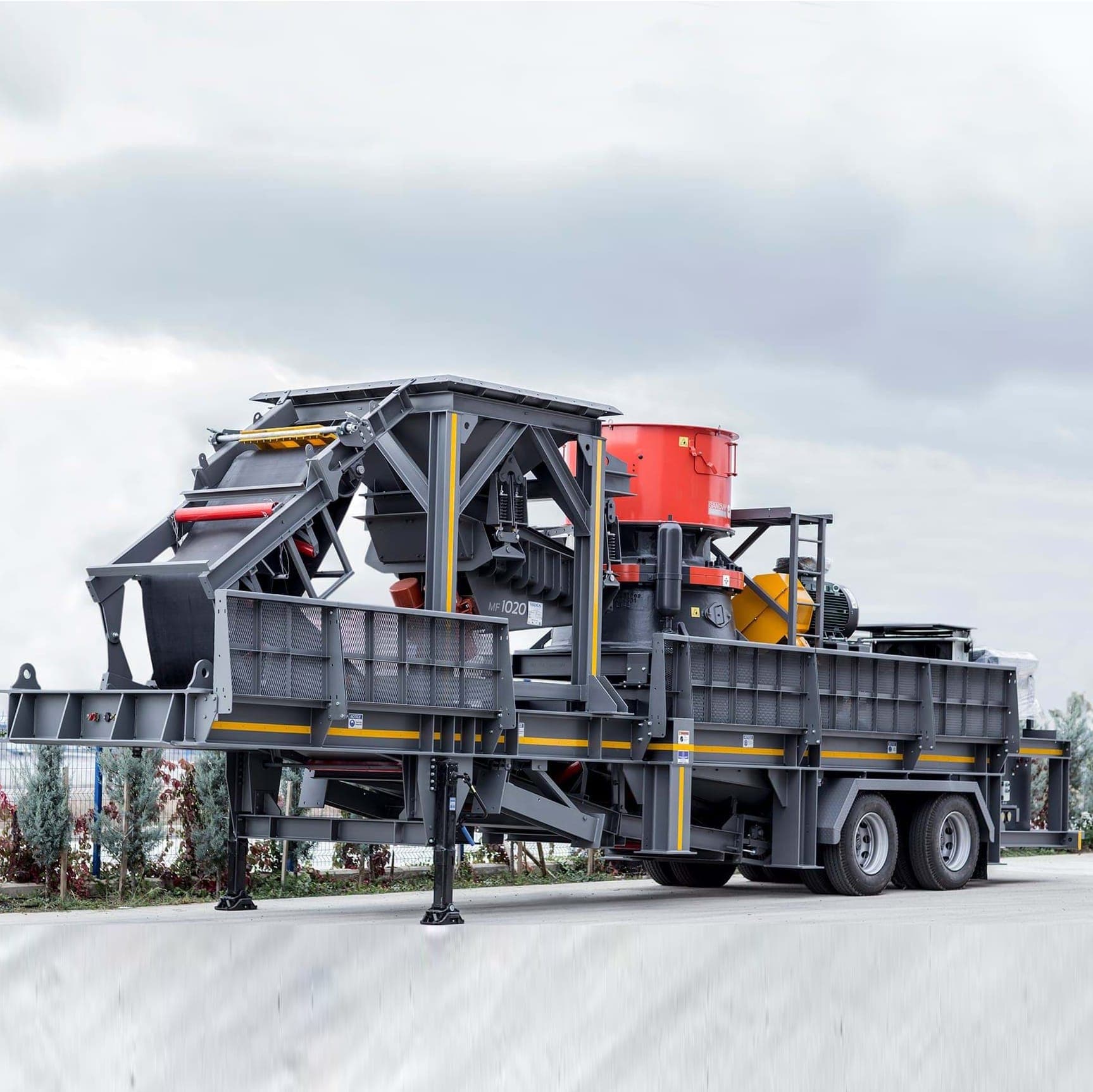
Equipment that crushes this material
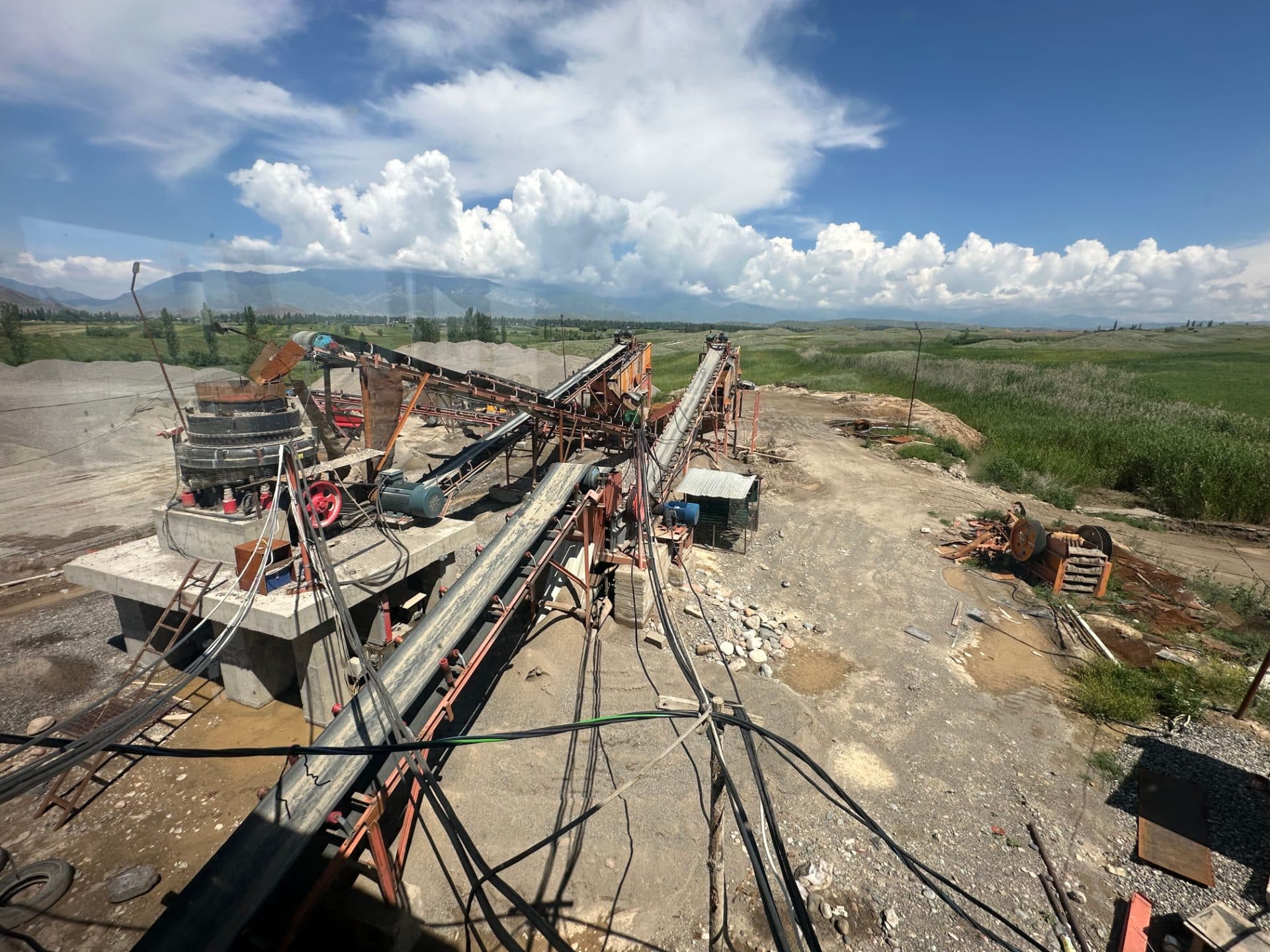
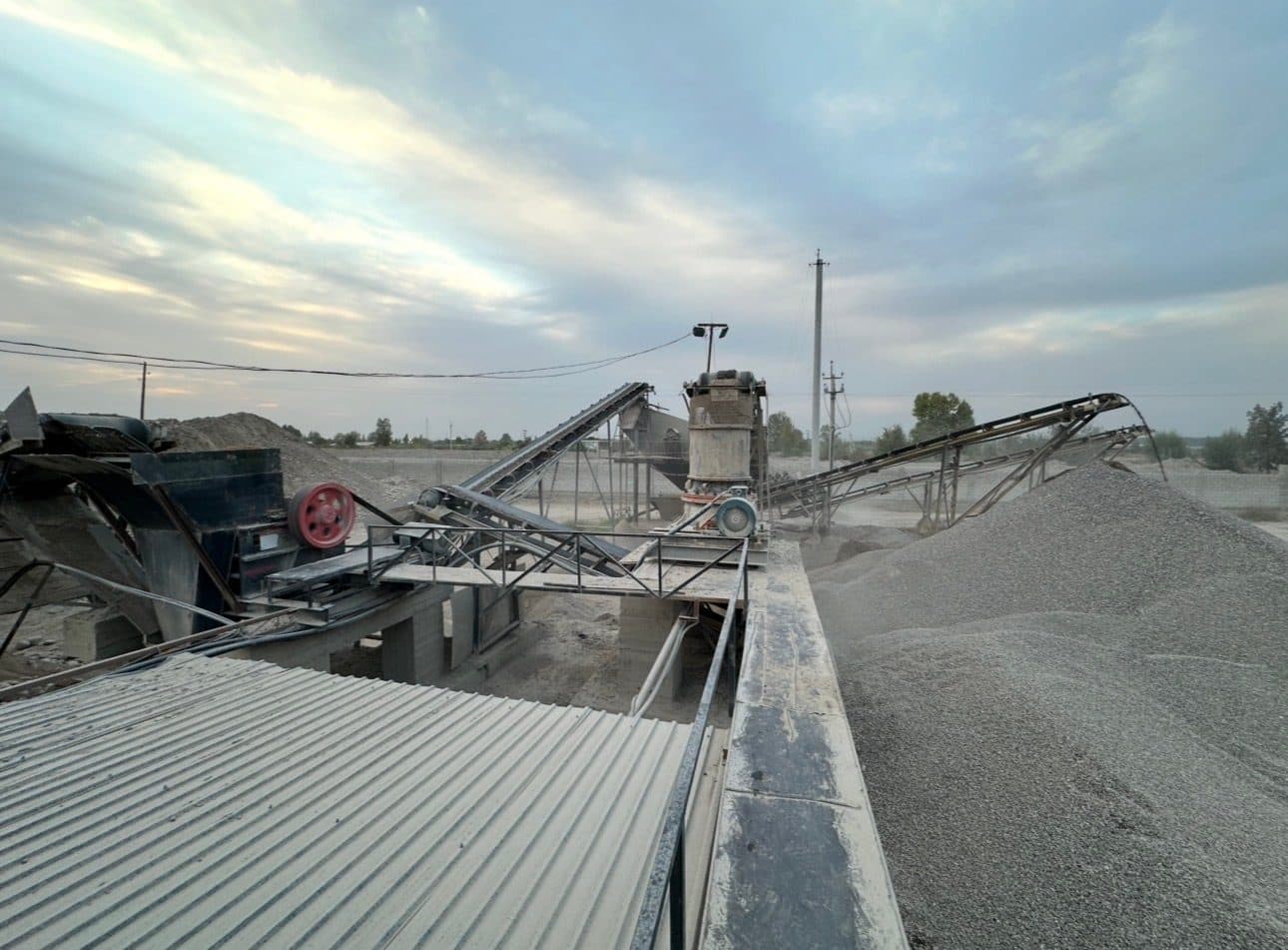
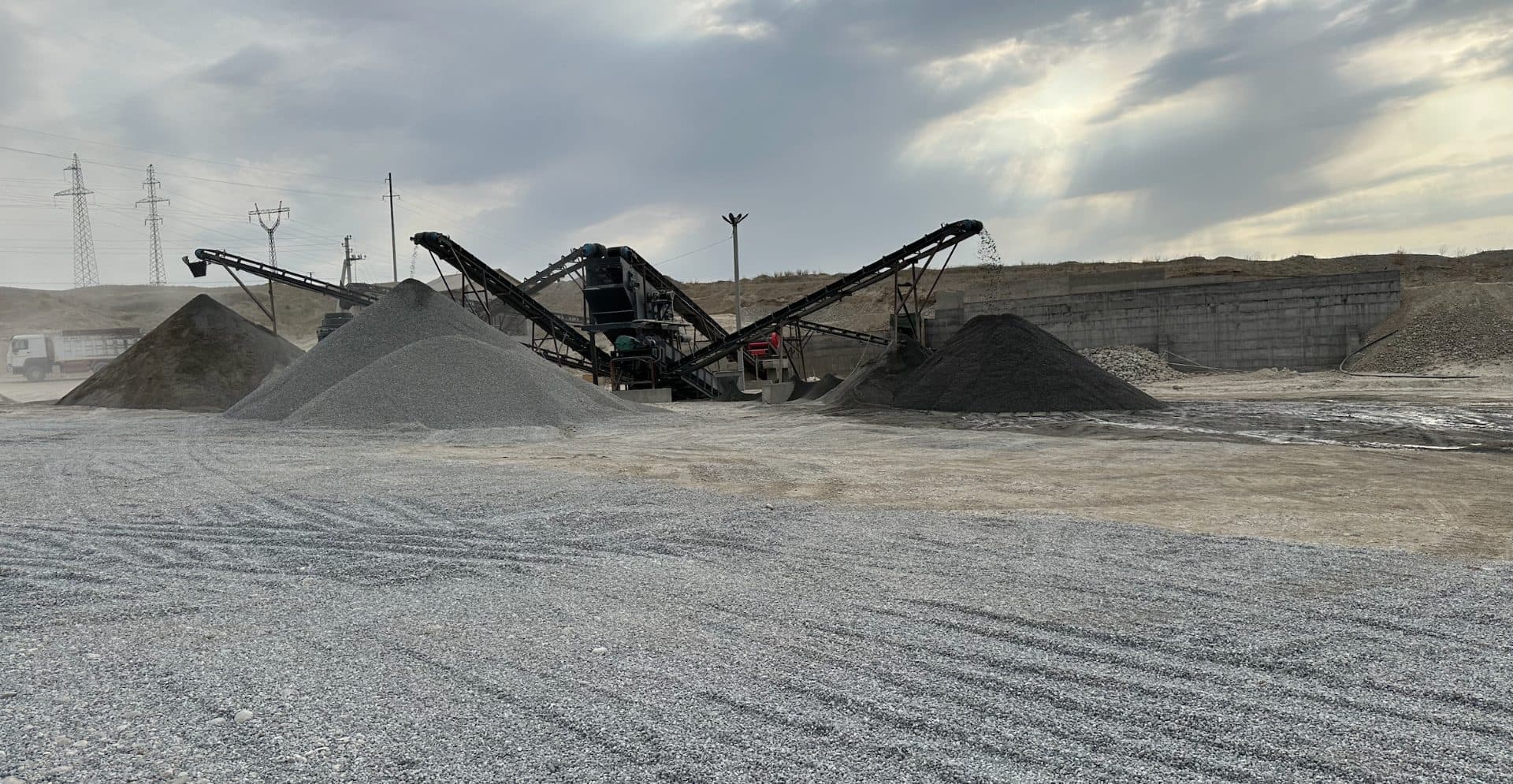
Projects using this material
Recommended products
Cannot find the machine you need?
Leave your phone number and our specialist will call you back and recommend the right equipment.